
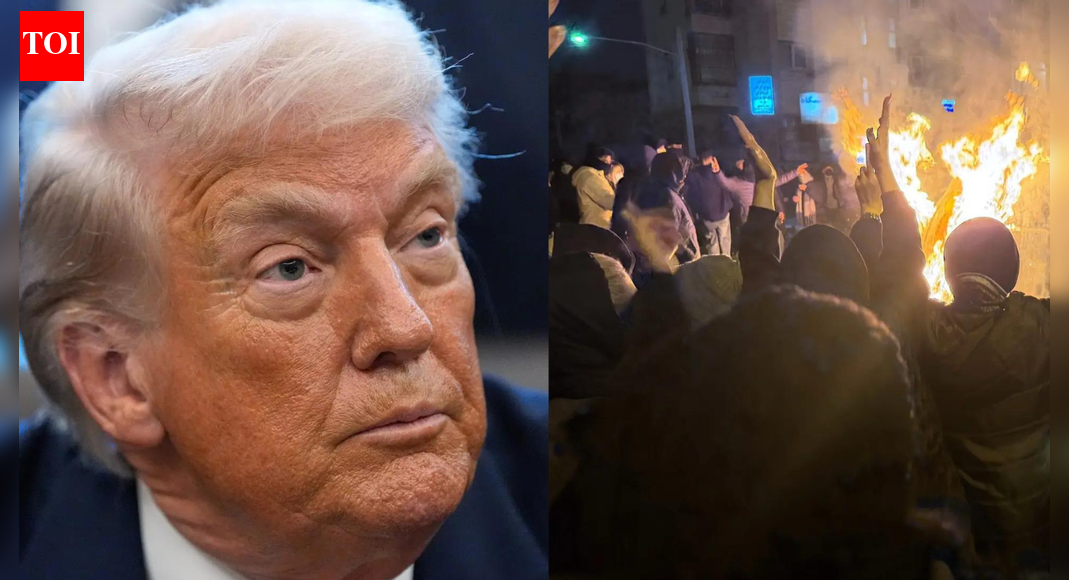
Trump Announces Potential Halt to Executions in Iran Amidst Protests
Washington D.C. – January 19, 2026 – U.S. President Donald Trump announced on Wednesday that he has received facts indicating a potential cessation of executions in Iran, occurring together with escalating protests and a severe crackdown by the Iranian government. This claim arrives as the Trump administration continues to evaluate its response to the ongoing crisis, balancing assurances of support for Iranian protestors with a careful consideration of potential intervention strategies.
The Shifting Landscape in Iran
The initial report of halted executions follows weeks of widespread protests ignited by economic hardship and political restrictions. While initially suggesting that “help is on the way” to the Iranian people, President Trump has yet to detail a concrete plan for U.S. involvement. The situation remains volatile, with the Iranian government signaling its intent to swiftly prosecute and punish those involved in the demonstrations.
According to the U.S.-based Human Rights Activists News Agency, at least 2,586 individuals have tragically lost their lives as a result of the actions of Iranian security forces during the course of the protests. This alarming figure highlights the brutality of the crackdown and underscores the urgent need for a resolution.
Internal Deliberations and Potential U.S.Responses
President Trump convened a meeting with his national security team on Tuesday to review potential responses to the evolving situation in Iran. Vice President JD Vance, Secretary of State Marco Rubio, and key officials from the White House National Security Council have been actively developing a range of options. These options span the spectrum from diplomatic pressure to potential military action, presenting the administration with a complex array of choices.
The administration’s deliberation process is largely influenced by the broader geopolitical context in the Middle East, particularly the rising tensions with Iran’s regional proxies. Recent actions taken against Houthi militants in Yemen,as reported by JForum, serve as a clear warning to Iran and demonstrate a willingness to confront destabilizing activities in the region.
Broader Regional Concerns and Israel’s Alert Status
The unrest in Iran has triggered heightened alert levels in neighboring Israel. As reported by JForum, Israel anticipates the potential for escalation, particularly an external response from Iran or its affiliates amid the domestic turmoil. Israel remains vigilant for potential attacks targeting its own territory or U.S. bases in the region.
This regional escalation adds another layer of complexity to the situation, demanding a carefully calibrated response from the United States to avoid further exacerbating tensions.
Cyberattacks and Infrastructure Vulnerability
Compounding the existing instability, Iran has recently been targeted by a large-scale cyberattack that has paralyzed its banking system.According to reports from JForum, this cyberattack is considered one of the most significant to impact Iranian state infrastructure to date, raising concerns about the country’s overall cybersecurity posture.
The cyberattack’s impact on Iran’s financial institutions could further exacerbate the economic challenges fueling the protests, potentially leading to even greater unrest.It also highlights the vulnerability of critical infrastructure to cyber warfare in the region.
Looking Ahead: A Delicate balance
The coming days will be critical in determining the trajectory of the situation in Iran. The veracity of President Trump’s claim regarding the cessation of executions remains to be independently verified. Nonetheless, the U.S. administration faces a delicate balancing act: supporting the Iranian people’s aspirations for freedom while avoiding actions that could destabilize the region further.
The potential for escalation in response to the internal turmoil in Iran, coupled with a rise in cyberattacks, demonstrates the fragility of the regional security landscape. The world watches closely as the U.S. charts a course forward in this complex and rapidly evolving crisis.
