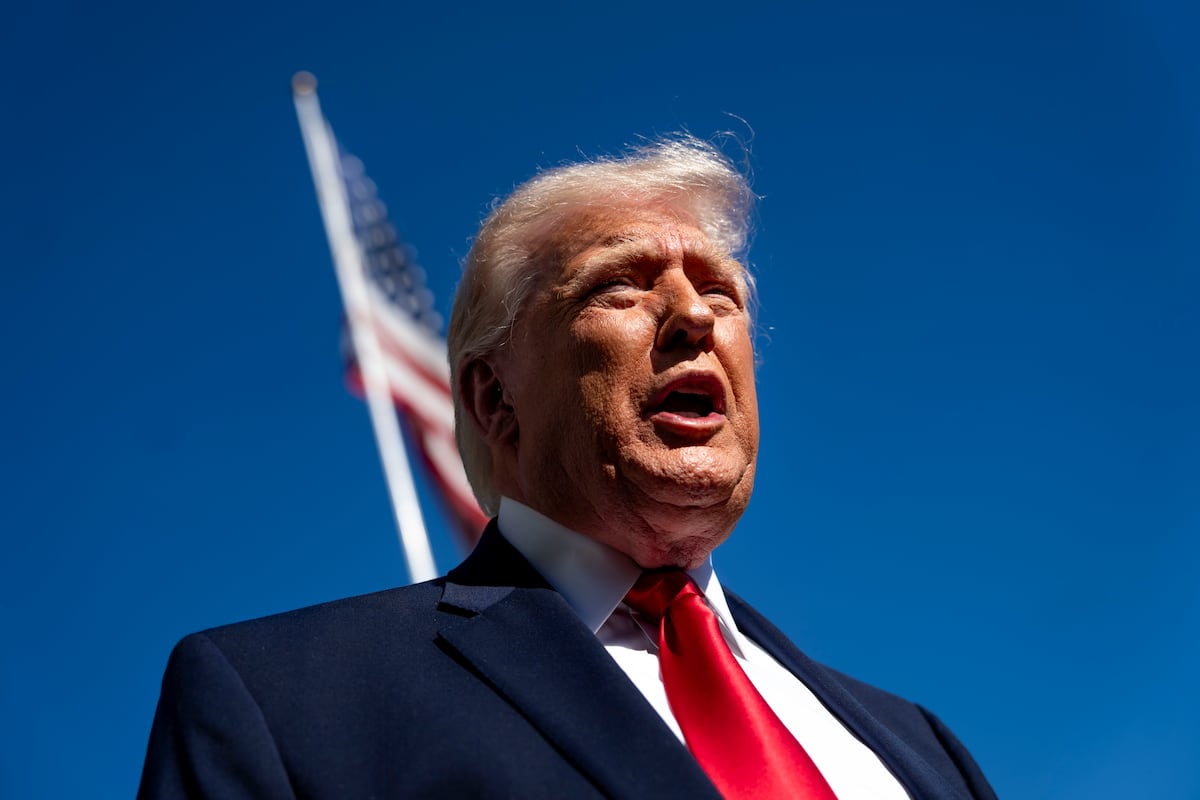
Trump Orders Naval Blockade of the Strait of Hormuz
On April 12, 2026, the United States government announced a full naval blockade of the Strait of Hormuz. Following the collapse of diplomatic negotiations with Iran, the Trump administration is deploying military assets to halt all maritime traffic, triggering a global energy crisis and escalating a direct conflict between the U.S., Israel, and Tehran.
This is not a mere skirmish; it is a systemic shock to the global circulatory system. The Strait of Hormuz is the world’s most critical oil chokepoint, with roughly one-fifth of the global petroleum liquid consumption passing through this narrow corridor. By severing this artery, Washington is leveraging “maximum pressure” not just against the Iranian regime, but against the patience of the global market.
The immediate fallout is a volatility spike that makes previous energy crises look like rounding errors. We are seeing a violent decoupling of regional security and global trade.
The Strategic Stranglehold: Why Hormuz?
To understand the gravity of this move, one must look at the geography of power. The Strait is the only viable route for the massive tankers carrying crude from Saudi Arabia, Kuwait, the UAE, and Iran to the open ocean. A total blockade creates an instantaneous supply vacuum.

The U.S. Move follows the definitive breakdown of talks aimed at preventing an all-out regional war. With Israel intensifying its operations against Iranian proxies and Tehran threatening to close the Strait themselves, the U.S. Has preempted the move, seizing control of the waters to dictate the terms of entry and exit.
This is “Gunboat Diplomacy” updated for the 21st century. It is a high-stakes gamble that assumes the world can withstand a temporary energy blackout to achieve a permanent regime shift or a total capitulation of Iranian foreign policy.
“The blockade of Hormuz is the nuclear option of maritime strategy. It doesn’t just target a nation; it targets the global GDP. We are moving from a period of ‘managed tension’ to a period of ‘economic warfare’ where the collateral damage is the global consumer.”
— Dr. Elena Vance, Senior Fellow at the Institute for International Strategic Studies
The Macro-Economic Hemorrhage
The ripple effects are immediate. For the B2B sector, this is a logistical nightmare. Shipping insurance premiums (War Risk premiums) have surged overnight, making it prohibitively expensive for commercial vessels to operate in the Gulf. As the Bloomberg Commodity Index reflects a vertical climb in Brent Crude, the cost of every plastic component, flight, and shipment of goods worldwide is rising.
Multinational corporations are now facing a “Force Majeure” epidemic. Contracts are being voided as shipments vanish into the blockade zone. To survive this, firms are urgently onboarding global risk management consultants to hedge their energy exposure and map out alternative supply routes that bypass the Persian Gulf entirely.
The impact on the East is particularly acute. China and India, heavily dependent on Gulf oil, now face a choice: align with the U.S. Blockade or challenge it. This puts the Shanghai Cooperation Organisation (SCO) in a position where economic necessity may force a direct confrontation with U.S. Naval hegemony.
Projected Market Disruptions
| Sector | Immediate Impact | Long-term Risk | Mitigation Strategy |
|---|---|---|---|
| Energy/Oil | Price Spike (Brent +30%) | Permanent Shift to Renewables | Strategic Reserve Release |
| Global Shipping | Route Diversion / Cost Hikes | Collapse of Gulf Hubs | Specialized Freight Forwarding |
| Insurance/Finance | War Risk Premium Surge | Market Insolvency | Maritime Legal Arbitration |
The Legal Grey Zone and International Law
Under the United Nations Convention on the Law of the Sea (UNCLOS), the “right of transit passage” is a cornerstone of international maritime law. By blocking the Strait, the U.S. Is effectively challenging the legal framework that has governed the oceans since the mid-20th century.
Iran will likely argue that this is an act of aggression, potentially triggering mutual defense pacts or retaliatory strikes on U.S. Assets in the region. This creates a legal vacuum where the “law of the strongest” replaces the “rule of law.”
For corporations operating in the Middle East, the legal ambiguity is the greatest threat. When treaties are ignored, contracts become worthless. This is why transnational entities are currently scrambling to secure the services of expert international trade lawyers who specialize in sanctions law and maritime disputes to protect their assets from seizure or legal forfeiture.
The Shifting Chessboard
This blockade is not just about Iran. It is a signal to the world that the U.S. Is willing to disrupt the global economy to secure a specific geopolitical outcome. It is a move that forces every NATO ally to decide if they are willing to pay the price of gasoline for the sake of American strategic objectives.
The relationship between the U.S., Israel, and the Gulf States is now strained to the breaking point. While Saudi Arabia may quietly support the containment of Iran, they cannot ignore the fact that their own exports are being throttled by the same blockade.
The world is now operating in a state of “permanent crisis.” The era of predictable globalization is over, replaced by a fragmented system of security blocs and economic fortresses.
As the blockade persists, the gap between those who can navigate this chaos and those who are crushed by it will widen. The ability to pivot supply chains, hedge currency risks, and manage geopolitical volatility is no longer a competitive advantage—it is a requirement for survival.
The global chessboard has been flipped. Whether you are a CFO in Singapore or a logistics director in Rotterdam, the only way to survive this volatility is through precision intelligence and vetted partnerships. To find the legal, financial, and strategic architects capable of navigating this new world order, explore the curated experts within the World Today News Directory.
Related reading
- Safely landing a large commercial passenger jet without training is virtually impossible, according
- NFL Legend Mike Ditka Dies at 86, His Family Announced
- The Trump administration imposed sweeping sanctions against the International Criminal Court on Oct (newsy-today.com)
- Amex's $350 Million Fine Is About 10 Days of Profit. The Orders Go Further (daybreakwire.com)