
The Illusion of Freedom: Trump’s Venezuela Policy and the Sidelining of Democracy
The brief flicker of hope ignited by Nicolás Maduro’s initial detention in the United States has quickly dimmed, replaced by a complex and unsettling reality. What began as a potential turning point for Venezuelan democracy has morphed into a situation where the Maduro regime, despite its authoritarian practices, remains firmly in control, with the United States assuming a controversial role in managing the transition – a role that appears to bypass the very democratic forces that have long fought for change.
A Moment of Hope Dashed
On January 3rd,the arrest of Venezuelan President Nicolás Maduro sparked immediate optimism among the opposition and the Venezuelan diaspora. Opposition leader María corina Machado,a prominent voice for democracy and a Nobel Peace Prize laureate,proclaimed the arrival of “the hour of freedom” on X (formerly Twitter). This sentiment reflected years of struggle against a regime widely accused of human rights abuses, corruption, and economic mismanagement.
Though, this euphoria was short-lived. Within hours, then-US President Donald Trump announced a plan for his administration to “run the country” during a transition period, effectively sidelining Venezuela’s democratic forces. This declaration, reported by NBC News, sent shockwaves through Venezuela and its expatriate communities, replacing hope with fear and confusion.
The Controversial US Role
Trump’s decision to take direct control of the transition, rather then empowering Venezuela’s established opposition, has been widely criticized. The rationale behind this move remains unclear, but it appears to prioritize stability and control over a genuine democratic handover. Critics argue that this approach undermines the legitimacy of any future government and risks perpetuating the very authoritarianism it seeks to dismantle.
The implications of this US intervention are far-reaching. By effectively propping up elements of the existing power structure, the Trump administration risks legitimizing a regime that has been internationally condemned for its abuses. This also raises questions about the future of US foreign policy in Latin America and the extent to which the US is willing to intervene in the internal affairs of sovereign nations.
Machado’s Limited Influence
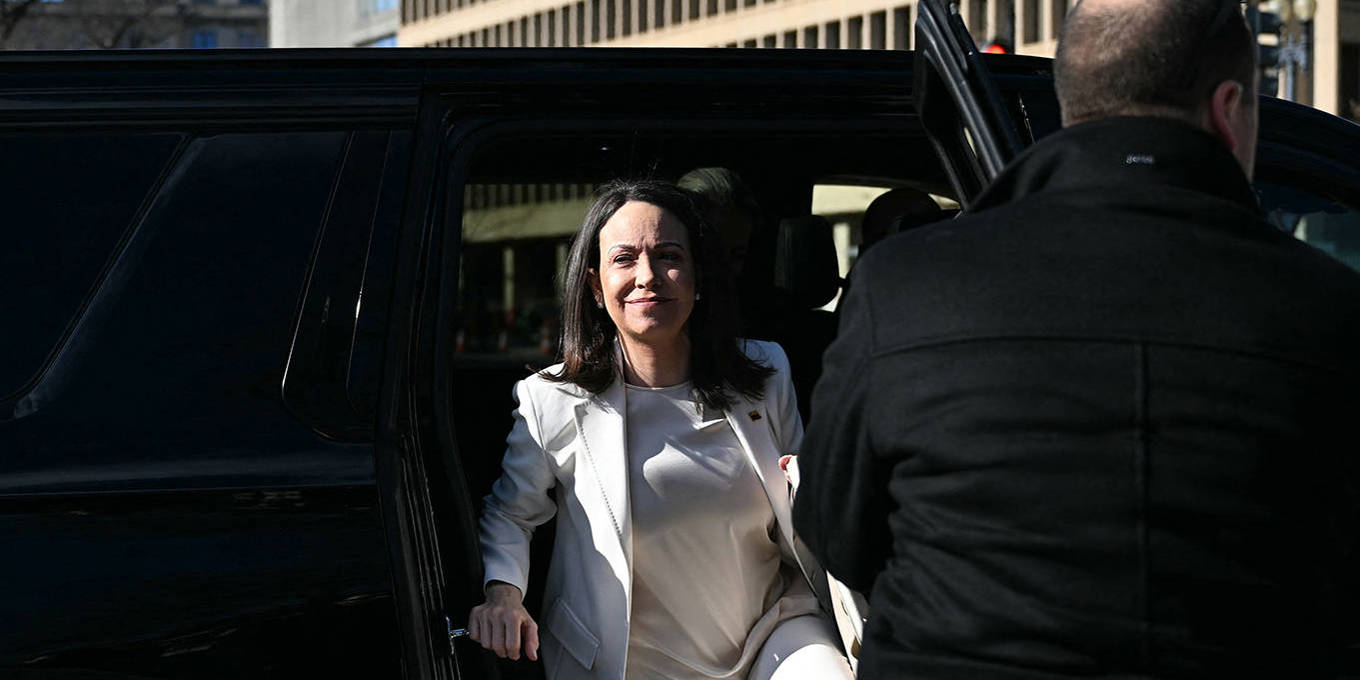
Despite the initial optimism surrounding her role, Machado’s influence appears limited under the current US plan. While Trump did meet with Machado on Thursday, the details of the meeting remain largely undisclosed, and it has done little to alleviate the concerns of those who fear the US is prioritizing its own interests over the will of the Venezuelan people.
Machado represents a significant force within the Venezuelan opposition, known for her unwavering commitment to democratic principles and her willingness to challenge the Maduro regime directly. Her exclusion from a central role in the transition process raises serious doubts about the sincerity of the US commitment to a truly democratic outcome.
The Current State of Venezuela: A deepening Crisis
Venezuela has been mired in a deep political, economic, and humanitarian crisis for years. Hyperinflation, shortages of basic goods, and widespread poverty have driven millions of Venezuelans to flee the country, creating one of the largest migration crises in the world. The Maduro regime has been accused of suppressing dissent, rigging elections, and engaging in widespread corruption.
The country’s oil reserves, once a source of immense wealth, have dwindled due to mismanagement and corruption. The collapse of the oil industry has exacerbated the economic crisis and further eroded the quality of life for ordinary Venezuelans.
Looking Ahead: A Precarious Future
The future of Venezuela remains uncertain. The US decision to take control of the transition process has created a precarious situation, where the hopes for a democratic resolution have been significantly diminished. The key to a stable and prosperous Venezuela lies in empowering the Venezuelan people to determine their own destiny, free from external interference.
The international community must continue to pressure the Maduro regime to respect human rights, release political prisoners, and allow for free and fair elections. It is indeed also crucial to provide humanitarian assistance to the millions of Venezuelans who are suffering consequently of the ongoing crisis.
Key Takeaways
- The initial arrest of Nicolás Maduro raised hopes for a democratic transition in Venezuela.
- US President Trump’s decision to “run the country” during the transition has sidelined Venezuelan democratic forces.
- Opposition leader María Corina Machado’s influence appears limited under the current US plan.
- Venezuela remains in a deep political, economic, and humanitarian crisis.
- A enduring solution requires empowering the Venezuelan people and respecting their right to self-determination.
