
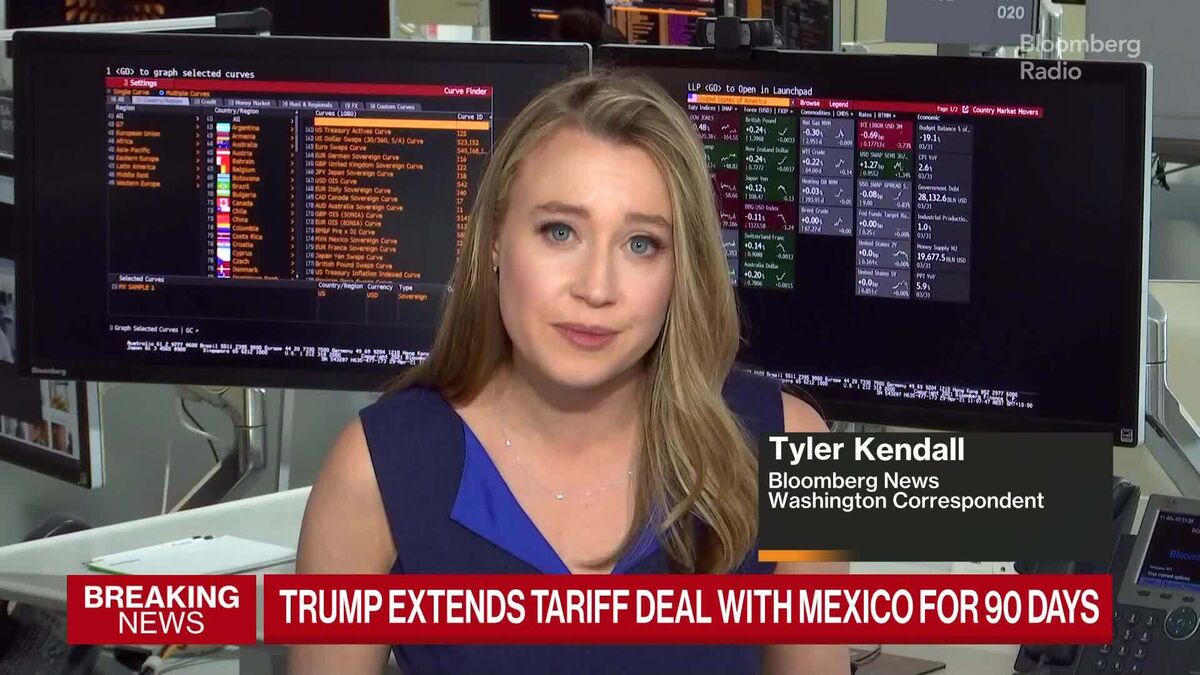
Trump Extends Mexico Tariff Grace Period Amid Trade Talks
Table of Contents
Published: July 31, 2025
Modified: July 31, 2025
President Donald Trump has extended Mexico’s current tariff rates for an additional 90 days, a move that allows more time for ongoing trade negotiations. This decision comes after previous threats to increase levies on goods from a significant trading partner. The extension provides a crucial window for discussions aimed at resolving trade complexities and border security concerns.
Earlier this month, the U.S. president had indicated plans to raise tariffs on Mexican exports from 25% to 30%, effective August 1. This was contingent on Mexico’s government taking further action to secure their shared border. Many products that qualify under the existing free-trade agreement with Mexico and Canada have remained exempt from thes potential tariff hikes.
Did You Know? Many goods certified under the North American free-trade pact have been exempt from tariff increases.
Trump stated on Thursday via social media that the complexities of a deal with Mexico differ from those with other nations due to shared border issues and assets. Following a call with Mexican President Claudia Sheinbaum, he expressed optimism about signing a trade deal within the extended 90-day period, or potentially longer.
Pro Tip: Staying informed about trade agreements can help businesses anticipate market changes.
How might this extended negotiation period impact businesses reliant on U.S.-Mexico trade?
What are the key border security issues that need to be addressed in these trade talks?
Understanding the U.S.-Mexico Trade Relationship
The trade relationship between the United States and Mexico is extensive and deeply intertwined. For decades, both nations have benefited from robust trade, facilitated by agreements like the North American Free Trade Agreement (NAFTA), which was later replaced by the United States-Mexico-Canada Agreement (USMCA).
Tariffs, or taxes on imported goods, can substantially impact the cost of products for consumers and businesses. When applied, they can lead to increased prices and potentially disrupt supply chains. The U.S. has historically used tariffs as a tool in trade negotiations to pressure other countries into making concessions.
Border security is a multifaceted issue involving the management of people and goods crossing the shared frontier. It encompasses concerns about illegal immigration, drug trafficking, and national security. Trade negotiations often become linked with border security discussions, as both nations seek to address these critical areas collaboratively.
Frequently Asked Questions About Mexico Tariffs
Q: Why did President Trump extend tariff rates for Mexico?
A: president Trump extended the tariff rates for Mexico to allow more time for trade negotiations and discussions on border security.
Q: What was the original threat regarding tariffs on Mexico?
A: The original threat was to increase tariffs on Mexican exports from 25% to 30% starting August 1.
Q: Are all goods from Mexico subject to these tariffs?
A: Many goods certified under the free-trade pact between the U.S., Mexico, and Canada have remained exempt.
Q: What is the new timeframe for the tariff extension?
A: The tariff rates have been extended for an additional 90 days.
Q: What is the goal of the extended negotiation period?
A: The goal is to sign a trade deal within the 90-day period or longer.
Q: How do border complexities affect trade deals with Mexico?
A: Border complexities are a significant factor in trade negotiations with Mexico, influencing the terms and timelines of agreements.
Stay informed on the latest developments in international trade and policy. Share your thoughts on this trade extension in the comments below!