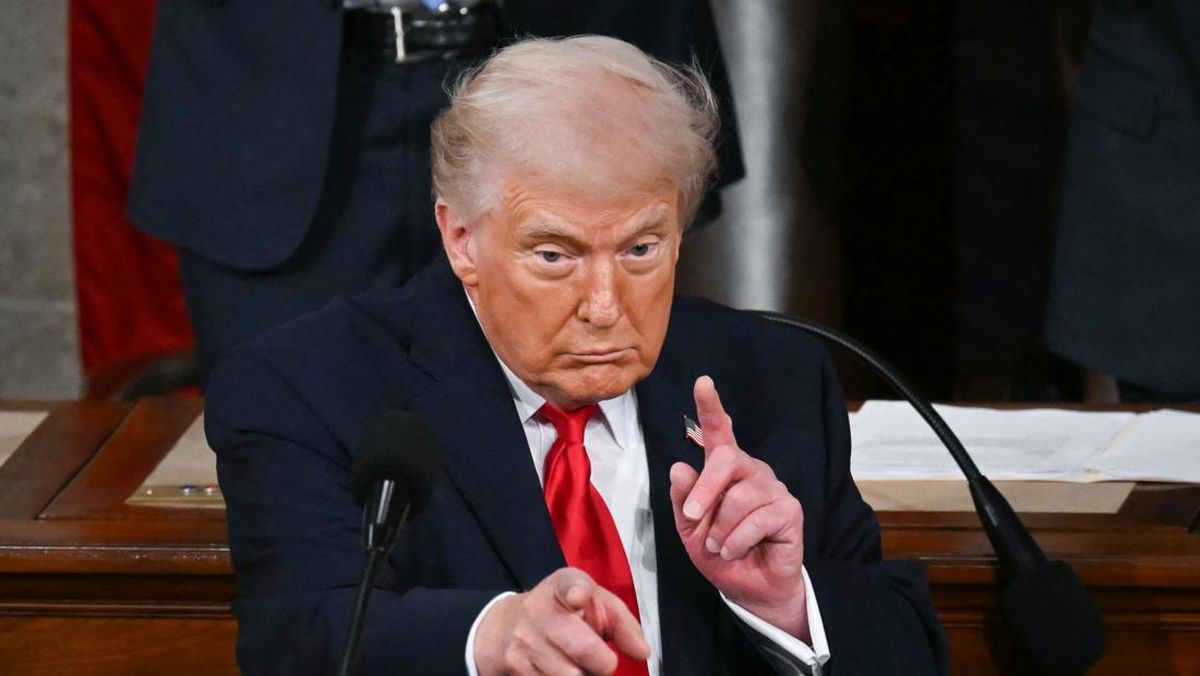
Trump Clashes With Pope Leo XIV Over Iran and AI Jesus Image
On April 15, 2026, Donald Trump escalated diplomatic tensions by publicly urging Pope Leo XIV to condemn Iran, alleging the regime is responsible for 42,000 deaths. This intersection of religious authority and hard-power politics signals a volatile shift in Western strategies to isolate Tehran amidst an intensifying regional conflict.
What we have is not merely a clash of personalities or a social media spat. It is a calculated attempt to weaponize “soft power” by leveraging the moral authority of the Holy See to delegitimize the Iranian state on a global stage. When a political leader attempts to recruit the Papacy as a geopolitical instrument, it reveals a desperation to find new levers of pressure as traditional sanctions regimes hit a plateau of effectiveness.
The friction between Trump’s transactional diplomacy and the Vatican’s tradition of neutral mediation creates a vacuum of stability. For the global markets, this instability is a catalyst for volatility in the Strait of Hormuz, the world’s most critical oil chokepoint.
“The attempt to instrumentalize the Papacy in a conflict with Iran is a high-risk gambit. If the Vatican resists, it strengthens the narrative of a fractured West; if it complies, it loses its status as a neutral arbiter in the Global South.” — Dr. Elena Moretti, Senior Fellow at the European Council on Foreign Relations.
The Theology of Power: Why the Vatican Matters in 2026
The Vatican is more than a religious center; it is a sovereign entity with unparalleled diplomatic reach in Africa, Latin America, and the Middle East. By targeting Pope Leo XIV, Trump is attempting to trigger a “moral sanction” that could alienate Iran from its remaining diplomatic allies in the Global South.
However, the Vatican has historically viewed itself as a bridge-builder. The tension here lies in the “Westphalian” logic of state sovereignty versus the universalist claims of the Church. Iran, already feeling the squeeze of U.S. Economic sanctions, views such appeals as an extension of Western imperialism.
The risk is clear: a total breakdown in back-channel communications. When the “neutral” channels are politicized, the only remaining language is kinetic.
Corporate entities operating in the Gulf are already feeling the tremor. As diplomatic norms erode, the risk of “black swan” events—such as the closure of the Strait of Hormuz—increases exponentially. This environment forces multinational firms to move beyond simple insurance and toward comprehensive global risk consultants who can model the impact of a total diplomatic collapse in the Persian Gulf.
Macro-Economic Fallout and the Energy Security Gap
The rhetoric regarding 42,000 casualties is designed to trigger a humanitarian crisis narrative. If successful, this could lead to a new wave of “targeted” sanctions that move beyond oil and gas, hitting the Iranian financial sector’s remaining conduits.

But power dynamics are rarely linear. A cornered Iran often responds by escalating proxy conflicts via the “Axis of Resistance,” impacting trade routes from the Red Sea to the Mediterranean. This creates a logistical nightmare for shipping conglomerates.
| Risk Factor | Immediate Impact | Long-term Macro Effect |
|---|---|---|
| Diplomatic Isolation | Reduced back-channel mediation | Shift toward a multipolar security architecture |
| Energy Volatility | Brent Crude price spikes | Acceleration of EU energy decoupling from MENA |
| Supply Chain Rupture | Increased maritime insurance premiums | Diversification of trade routes via the “Middle Corridor” |
As these risks materialize, the complexity of international trade law increases. Companies are no longer just managing tariffs; they are managing “geopolitical compliance.” The demand for international trade lawyers has surged as firms seek to restructure contracts to include “force majeure” clauses specifically tailored to state-sponsored regional conflicts.
One sentence: The map is being redrawn in real-time.
The Multipolar Shift: Beyond the U.S.-Iran Binary
We must look at this through the lens of multipolarity. Trump’s appeal to the Pope ignores the reality that Iran is deepening its strategic alignment with China and Russia. The “moral” condemnation of the West carries less weight in Tehran when the East provides a financial lifeline through the BRICS+ framework.
The conflict is no longer just about the 42,000 victims or the rhetoric of a former president; it is about who controls the flow of energy and data in the 21st century. The “logic of geography”—from the highlands of Iran to the ports of the UAE—dictates that power is not granted by papal decree, but by the control of strategic depth.
“We are witnessing the transition from a rules-based order to a power-based order. In this new era, moral appeals are secondary to the hard reality of resource security and military deterrence.” — Marcus Thorne, Geopolitical Strategist at the Atlantic Council.
For the B2B sector, Which means the “safe” zones of the previous decade are gone. Every investment in the Middle East now requires a layer of cross-border security specialists to protect physical assets from the spillover of state-level aggression.
The Editorial Kicker: Navigating the Chaos
Trump’s attempt to use the Papacy as a political megaphone is a symptom of a larger disease: the death of predictable diplomacy. When the world’s most powerful actors treat international relations like a social media campaign, the resulting volatility creates a dangerous environment for global commerce.

The chessboard is shifting. The players are no longer just presidents and prime ministers, but religious leaders, algorithmic influencers, and sovereign wealth funds. In this fragmented landscape, the only true currency is accurate intelligence and a robust network of professional safeguards.
Whether you are a hedge fund manager in New York or a logistics lead in Singapore, the volatility of the Iran-West axis is your new baseline. To survive this entropy, you need more than a news feed; you need a vetted infrastructure of experts. Navigate the wreckage of the ancient world order by leveraging the World Today News Directory to find the legal, financial, and security partners capable of anchoring your operations in an era of permanent instability.
Related reading