Trump Claims Putin Wants Peace as Ukraine War Continues
President Donald Trump indicating a potential diplomatic opening to end the conflict. Trump claims Vladimir Putin is prepared to negotiate, though the Kremlin’s messaging remains focused on distancing itself from the current Ukrainian administration.
The Diplomatic Pivot: Trump’s NATO Messaging
During the most recent NATO summit, President Trump signaled a shift in U.S. policy, asserting that the Russian leadership is seeking a resolution to the ongoing hostilities. According to reports from ANSA, Trump stated, “Putin wants peace, let’s talk about it,” framing the potential for dialogue as a primary agenda item for upcoming diplomatic sessions.

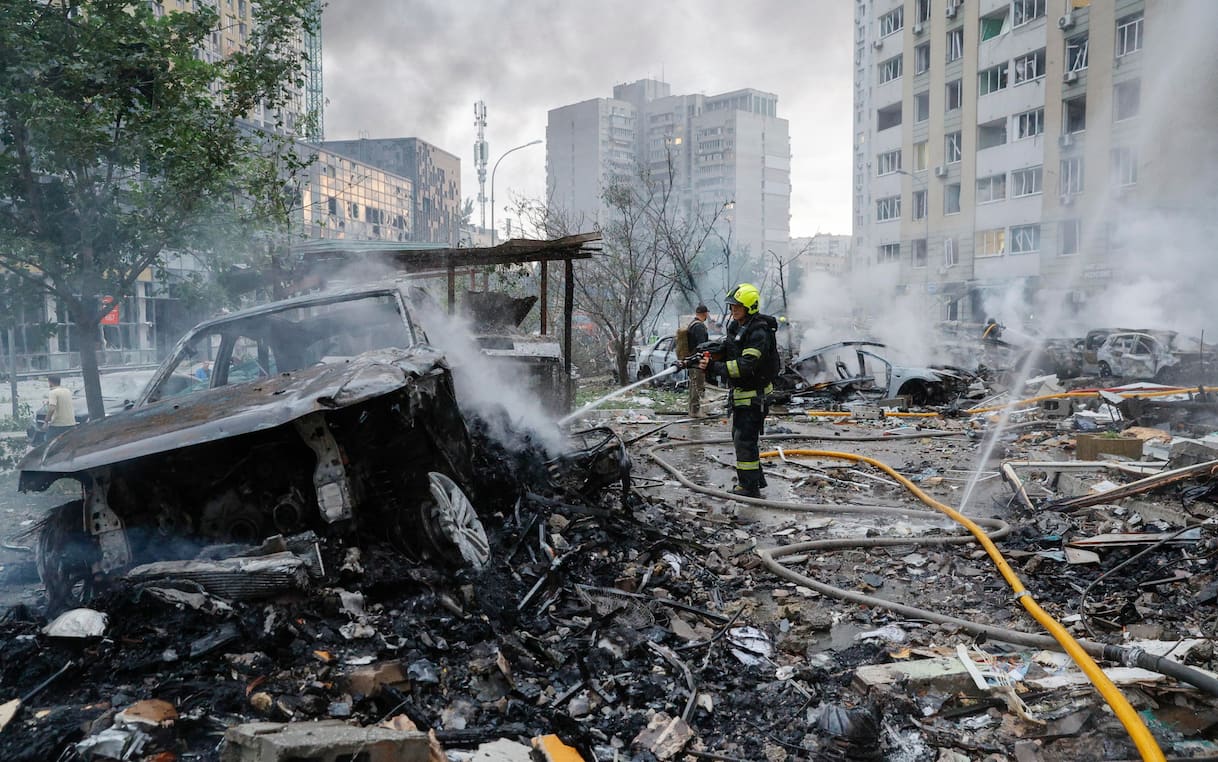
This rhetoric marks a distinct departure from previous Western consensus. While the White House explores these channels, the tactical reality on the ground in Ukraine remains volatile. The recent escalation of air raids on the capital suggests that, regardless of back-channel communications, the Russian military campaign continues to exert kinetic pressure on the Ukrainian state.
Kremlin Strategy and the “Zelensky Barrier”
The Kremlin’s response to these developments has been calculated. According to Corriere della Sera, Russian officials have expressed enthusiasm for direct contact with Washington, specifically distancing themselves from the government of Ukrainian President Volodymyr Zelensky. By publicly emphasizing that “Washington will not be on Zelensky’s side,” the Kremlin aims to frame the conflict as a binary negotiation between global powers, effectively attempting to marginalize Kyiv’s role in its own peace process.
This diplomatic maneuvering creates significant uncertainty for multinational corporations operating in Eastern Europe. The destruction of a major Russian refinery, reported by La Stampa, further complicates the economic picture, signaling that the energy war remains a core component of the wider struggle.
Macro-Economic Ripple Effects
The intersection of kinetic warfare and high-level diplomacy creates a “wait-and-see” environment for global supply chains. When major infrastructure—such as refineries—is targeted, the resulting volatility in commodity markets forces firms to reconsider their logistics and procurement strategies.
For businesses, the primary concern is not just the conflict, but the sudden regulatory shifts that follow such diplomatic overtures. If a framework for peace is established, the lifting or modification of sanctions will require complex legal navigation.
The Infrastructure of Uncertainty
The current situation mirrors the complexities seen in previous geopolitical realignments, where the speed of diplomatic announcements often outpaces the legal and logistical reality. The lack of a unified Western front regarding the terms of a “peace” deal increases the risk of corporate exposure.

- Energy Vulnerability: The targeting of Russian energy infrastructure suggests that the Kremlin is willing to accept domestic economic damage to maintain leverage in the broader theater of war.
- Diplomatic Divergence: The explicit mention of bypassing the Ukrainian government in future talks—as noted by Quotidiano Nazionale—suggests a high-stakes diplomatic gamble that may alienate European NATO allies.
- Corporate Exposure: Multinational entities with assets in the region are currently auditing their exposure to war-related insurance claims and supply chain interruptions.
As the situation develops, the necessity for robust, third-party verification of "peace" terms becomes paramount for global stakeholders.
The Kicker
While the diplomatic rhetoric in Washington and Moscow suggests a desire for closure, the continued bombardment of Kyiv serves as a stark reminder that power is still measured in tonnage and territory. As the global chessboard shifts, firms that fail to secure expert counsel to navigate these volatile transitions risk being caught in the fallout of a peace that may prove as unstable as the war it aims to conclude.