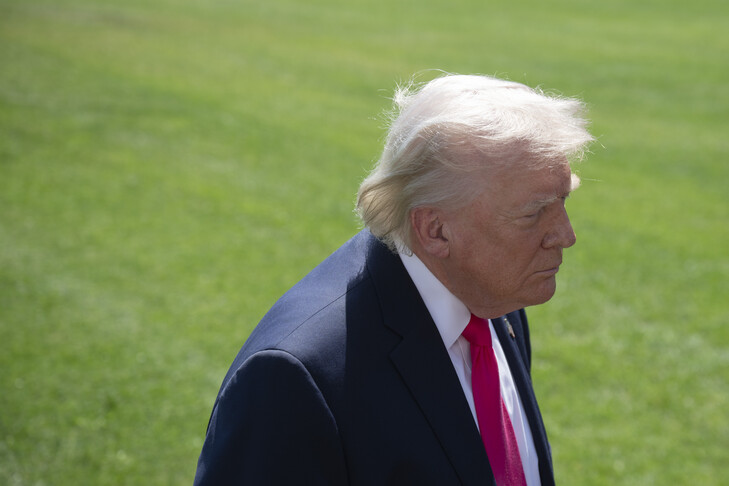
Trump Claims Iran Peace Deal Is Imminent and Uranium Recovery Planned
On April 17, 2026, former U.S. President Donald Trump asserted that the United States would seize Iran’s stockpile of enriched uranium without compensation, framing it as a leverage point in stalled nuclear negotiations. This declaration, made amid renewed diplomatic overtures and the temporary reopening of the Strait of Hormuz under Iranian conditions, signals a dangerous escalation in U.S. Pressure tactics that risks destabilizing global energy markets, violating non-proliferation norms, and provoking asymmetric retaliation from Tehran and its proxies.
The Legal Fiction of Asset Seizure in Nuclear Diplomacy
Trump’s claim that the U.S. Can “recover” Iran’s enriched uranium without payment ignores the legal architecture of the Joint Comprehensive Plan of Action (JCPOA), under which Iran’s nuclear activities were monitored and limited in exchange for sanctions relief. Even though the U.S. Withdrew from the JCPOA in 2018, Iran has maintained that its uranium enrichment—now reportedly at 60% purity, close to weapons-grade levels—remains a sovereign asset under IAEA safeguards. Unilateral confiscation would constitute state theft under international law, triggering potential counterclaims at the International Court of Justice and undermining confidence in treaties governing nuclear materials.
Historically, no nuclear-armed state has ever seized another nation’s enriched uranium stockpile outside of active conflict. The closest precedent is Libya’s 2003 voluntary surrender of its nuclear program, which included U.S.-facilitated removal of equipment and material under UN supervision—not confiscation. Trump’s rhetoric suggests a shift toward coercive asset appropriation as a tool of statecraft, a move that could encourage similar behavior by other powers and unravel decades of non-proliferation consensus.
“Seizing another country’s nuclear material without consent or legal process isn’t diplomacy—it’s nuclear blackmail. It guarantees Iran will accelerate toward weaponization to deter future theft.”
— Dr. Ellie Geranmayeh, Senior Fellow, European Council on Foreign Relations
Energy Markets Braced for Strait of Hormuz Volatility
The temporary reopening of the Strait of Hormuz—through which approximately 20% of global oil supply passes—has already caused ripple effects in energy trading, but Trump’s uranium statement threatens to reverse that calm. Iranian officials have repeatedly warned that any hostile action against its nuclear infrastructure could prompt mining or missile strikes on shipping lanes, instantly spiking Brent crude prices and disrupting just-in-time logistics for refineries across Asia and Europe.
Such volatility directly impacts multinational corporations reliant on stable fuel costs and shipping schedules. Firms with exposure to Middle Eastern energy flows are increasingly turning to specialized advisors to model conflict scenarios and reroute supply chains. In this environment, demand is rising for geopolitical risk consultants who can assess maritime exposure and This trend is already visible in the growing share of non-dollar trade settlements. According to the Bank for International Settlements, cross-border transactions in yuan, rupees, and dirhams rose by 22% in 2025 alone. As confidence in U.S. Stewardship of global financial norms wanes, multinational treasurers are seeking guidance from global treasury advisors to diversify currency holdings and “When a former U.S. President talks about seizing another nation’s strategic assets, it doesn’t matter if he’s in office—it changes how the world calculates risk.” — Ranjit Alaadharna, Director of Global Security Studies, Chatham House This moment is not merely about Iran or uranium—it reflects a broader pattern: the weaponization of interdependence. As states increasingly use economic levers—access to finance, control of commodities, dominance in shipping—as tools of coercion, the need for expert navigation has never been greater. Corporations operating across borders must now anticipate not just market shifts, but sudden legal extraterritoriality, asset freezes, and secondary sanctions that can emerge from a single statement. In response, the global demand for integrated advisory services is surging. Firms specializing in [Relevant Firm/Consultant Type]
The Directory Bridge: Where Global Firms Meet Fracturing Order