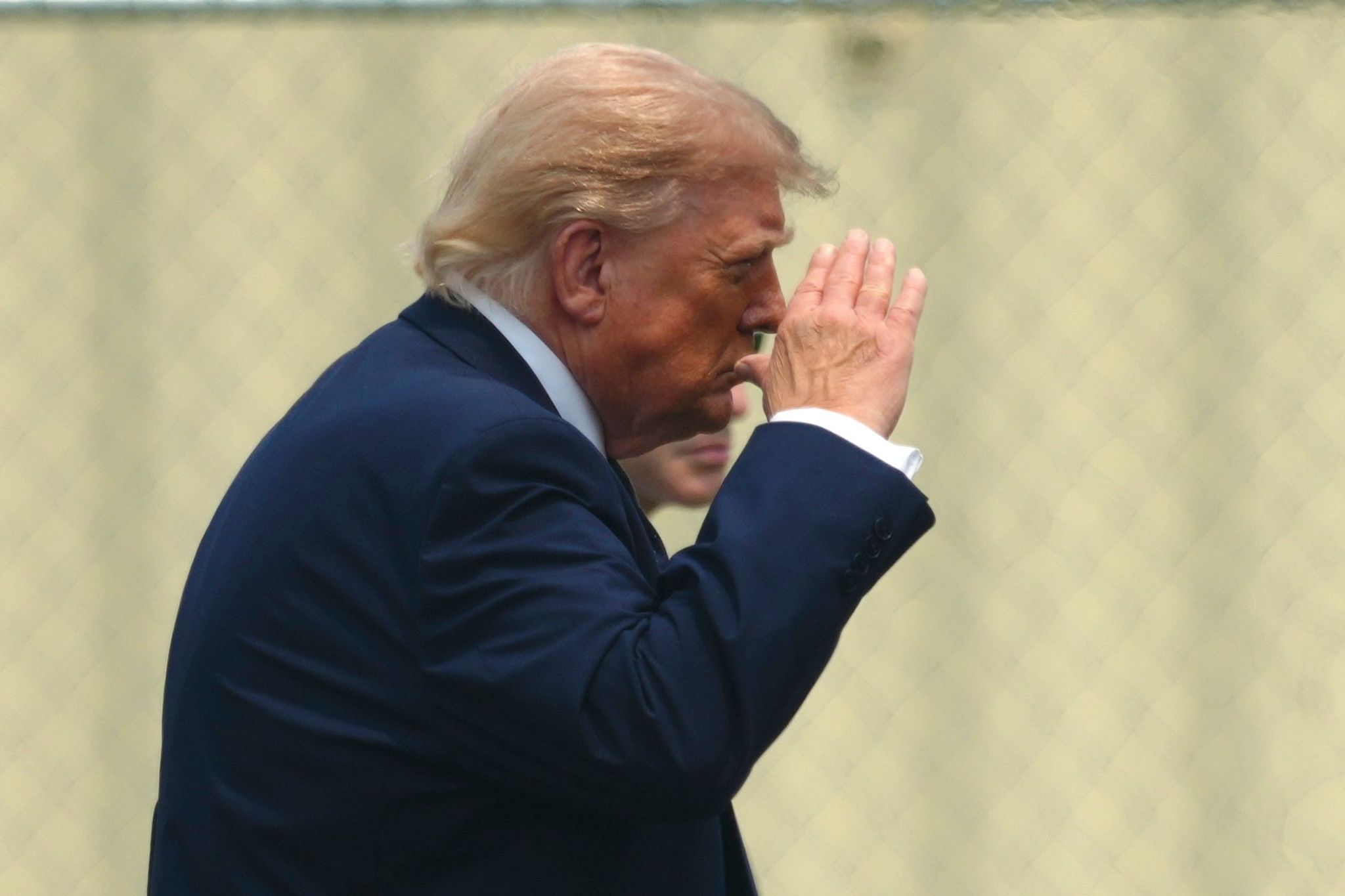
Trump Blames Canada as Wildfire Smoke Blankets US
As of July 17, 2026, U.S. President Donald Trump has publicly demanded that Canada provide financial compensation to the United States, citing massive cross-border smoke plumes from Canadian wildfires as the primary cause of deteriorating air quality across American states. The demand shifts the focus of disaster mitigation toward international liability and potential transboundary pollution claims.
The Diplomatic and Environmental Collision
The ongoing wildfire season has blanketed significant portions of the United States in hazardous haze, prompting an escalation in rhetoric from the White House. President Trump’s assertion marks a significant departure from traditional environmental diplomacy, which typically focuses on cooperative fire suppression efforts rather than direct financial restitution between sovereign neighbors.
According to data from the National Interagency Fire Center, the scale of current wildfire activity has strained domestic resources, forcing a reliance on international aid agreements that have existed for decades. However, the current administration is now questioning the fiscal burden placed on American taxpayers by smoke mitigation and public health costs resulting from fires originating on Canadian soil.
Evaluating Transboundary Air Pollution Liabilities
International law regarding transboundary pollution—often referred to as the “no-harm” principle—suggests that states have a responsibility to ensure activities within their jurisdiction do not cause damage to the environment of other states. Yet, applying this to natural disasters like wildfires is legally unprecedented in North America.
Legal scholars note that proving “fault” in a wildfire scenario is complex, as it requires demonstrating that a specific government’s failure to manage forest land caused the specific volume of smoke that impacted another country.
“The assertion that one nation can bill another for the atmospheric fallout of climate-driven natural disasters creates a volatile precedent. We are moving from a model of emergency management to one of litigation-based environmental policy,” says a senior policy analyst monitoring the North American environmental regulatory framework.
For businesses and municipal governments, this creates a volatile environment. The uncertainty surrounding inter-state liability is already impacting insurance premiums for properties in high-risk zones. Many organizations are now seeking guidance from Environmental Law Firms to understand their potential exposure to shifting regulatory penalties and emergency response costs.
Economic Impact on Regional Infrastructure
The smoke has caused more than just respiratory health concerns; it has disrupted logistics, air travel, and outdoor labor productivity across the Midwest and Northeast. Municipalities are struggling to manage the costs of implementing air filtration upgrades in schools and public buildings.
In the private sector, the disruption is forcing a re-evaluation of supply chain resilience. Companies that rely on consistent outdoor operations are reporting significant downtime. As businesses attempt to mitigate these losses, many are turning to Industrial Restoration and Air Quality Contractors to retrofit facilities with high-efficiency particulate air (HEPA) systems designed to handle prolonged smoke exposure.
Data Comparison: Emergency Response vs. Financial Claims
The following breakdown illustrates the disparity between traditional firefighting cooperation and the new demands for financial accountability:
| Metric | Traditional Model | Proposed Accountability Model |
|---|---|---|
| Primary Objective | Resource Sharing (Personnel/Assets) | Fiscal Restitution/Liability |
| Legal Basis | Mutual Aid Agreements | Transboundary Harm Claims |
| Operational Focus | Containment and Suppression | Apportioning Economic Damages |
Managing the Fallout
The situation remains fluid as federal agencies prepare to address the impact of the smoke on the U.S. economy. For private property owners and small businesses in the path of these plumes, the focus has shifted toward immediate risk mitigation.
Those caught in the crossfire of this diplomatic spat are finding that standard emergency protocols are no longer sufficient. Engaging with Disaster Recovery Consultants has become a prerequisite for businesses attempting to maintain operational continuity during extended periods of hazardous air quality.
As the wildfire season continues to intensify, the demand for clear, actionable legal and environmental guidance will only grow. The path forward for impacted regions requires a delicate balance between holding neighboring jurisdictions accountable and maintaining the collaborative infrastructure necessary to fight the fires themselves. Whether these claims lead to actual financial transfers remains a matter of ongoing diplomatic negotiation, but the precedent being set today will likely define the management of cross-border environmental impacts for years to come.