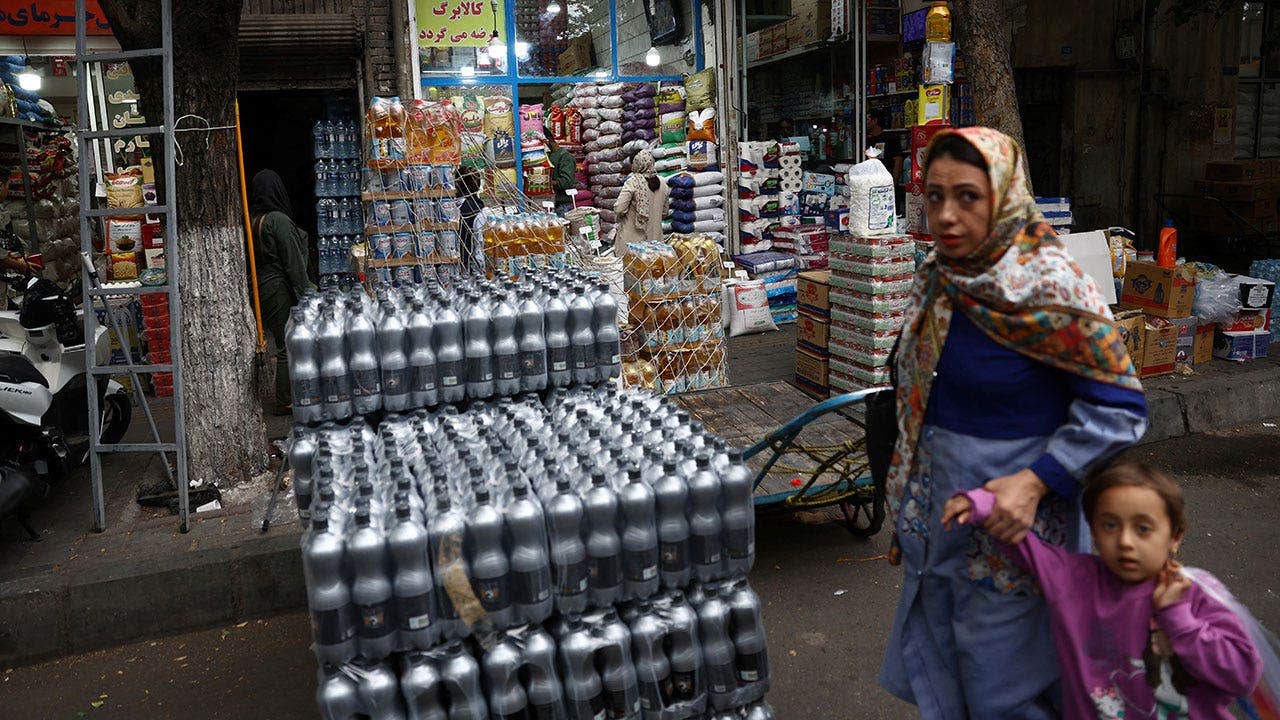
Trump Bets on Economic Pressure as Iran Economy Crumbles Under Sanctions
President Donald Trump is leaning heavily on severe economic pressure to squeeze Iran, signaling a preference for financial strangulation over immediate military expansion. Speaking to Axios on August 9, 2026, Trump highlighted Iran’s soaring inflation and cash-strapped regime, noting that the U.S. is keeping its approach low-key while monitoring an economy crippled by naval blockades, sanctions, and decades of internal mismanagement.
The Mechanics of Maximum Pressure and the Iranian Rial
The Trump administration’s strategy centers on starving the Iranian regime of the revenue it needs to fund its military operations and proxy networks. According to Truth Social posts from August 2026, the administration points directly to the steep decline of the Iranian rial—characterized graphically as “trash”—as proof that half a century of regime behavior has left the country with no money. This financial squeeze is reinforced by a potent U.S. naval blockade in the Strait of Hormuz, which economic analysts argue has severely compounded Tehran’s ongoing financial crisis.
The Treasury Department’s “Economic Fury” campaign has aggressively targeted illicit revenue streams since early 2026. Official figures released in July show that the Office of Foreign Assets Control (OFAC) has sanctioned more than 100 vessels belonging to Iran’s shadow fleet. These actions aim to block access to cryptocurrency holdings, shadow banking networks, and oil trade profits. A Treasury spokesperson emphasized that the campaign has successfully prevented tens of billions of dollars from reaching the regime and its proxies, leaving Tehran desperate for cash and struggling to pay its troops.
Internal Failures, Structural Corruption, and the IRGC Apparatus
While Washington points to external sanctions as the primary catalyst, regional analysts argue that decades of structural corruption and skewed state spending have laid the groundwork for the collapse. Miad Maleki, a senior fellow at the Foundation for Defense of Democracies and a former Treasury Department sanctions official, notes that the regime chose to fund revolutionary ambitions rather than basic public services. Central Bank of Iran data indicates that the military’s share of total government spending climbed from 16% in 1993 to 52% by 2006, while education and health expenditures plummeted.

This militarized economic grip extends deeply into civilian sectors through the Islamic Revolutionary Guard Corps (IRGC). Engineering arms like Khatam al-Anbiya have expanded across construction and energy, establishing a massive commercial presence. Morad Tahbaz, an Iranian-American conservationist who spent nearly six years imprisoned in Evin Prison, observed in interviews that sanctions have inadvertently created a lucrative black-market franchise for those controlling the underground smuggling and financial channels.
Daily Hardships and Macroeconomic Fallout for Ordinary Citizens
The compounding pressures of war, corruption, and sanctions have pushed ordinary Iranian households to the breaking point. Reports from the Iranian newspaper Jahan-e Sanat and the Iranian Labour News Agency (ILNA) outline a grim reality in Tehran and other urban centers, where supermarket workers routinely encounter customers shoplifting basic groceries like bread, cheese, and meat. Food inflation has skyrocketed by nearly 130% over a 12-month period, drastically outpacing wage growth for low-paid workers.
Millions of citizens now rely heavily on micro-credit applications just to afford daily commutes, small meals, or rent instalments. Albert Baghzian, an economics professor at Tehran University, told ILNA that the national economy resembles a patient suffering from severe bleeding, warning that additional domestic shocks—such as reductions in gasoline subsidies—could deliver a fatal blow to household survival. The International Monetary Fund projects the Iranian economy will shrink 6% this year due to ongoing conflict and lost output.
As the standoff continues, the economic chokehold leaves ordinary families bearing the heaviest cost while internal factional tensions persist.
Worth a look
- Singapore and Brunei Celebrate 50 Years of Defence Ties with Joint Parade
- Cicpc arrests El Guao for robbing cacao plantations in Monagas
- Trump Names Katie Zacharia as New White House Press Secretary (newsdirectory3.com)
- Treasury's Licenses Cushion ICC Sanctions, but the Main One Ends April 7 (daybreakwire.com)