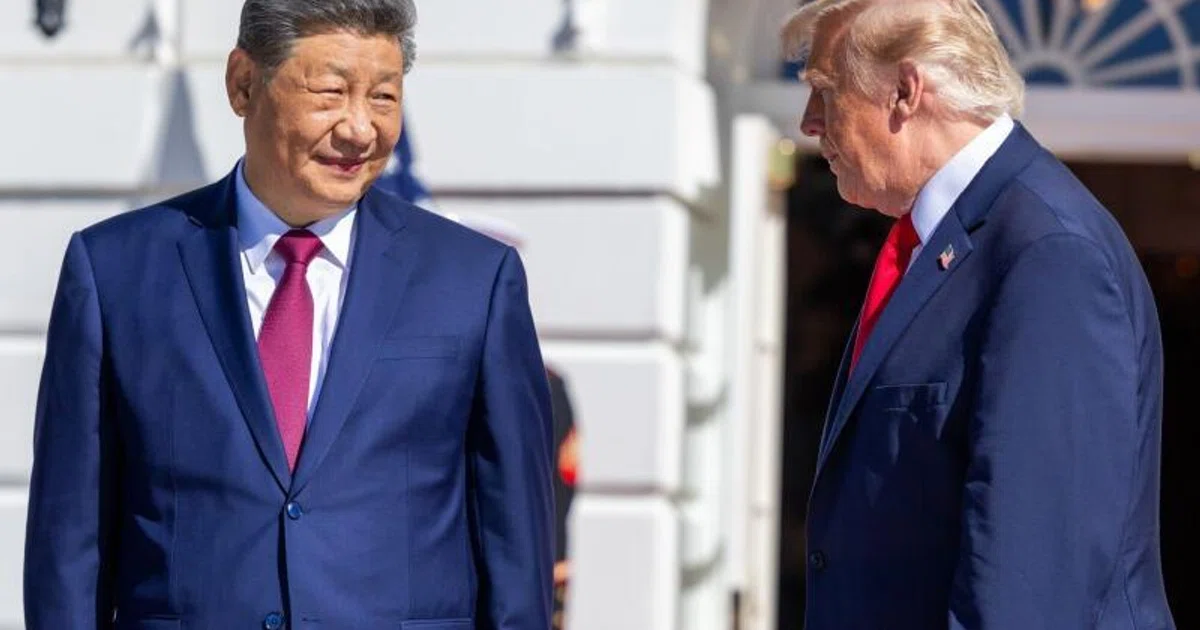
Trump and Xi agree to extend trade truce until January 10, 2027
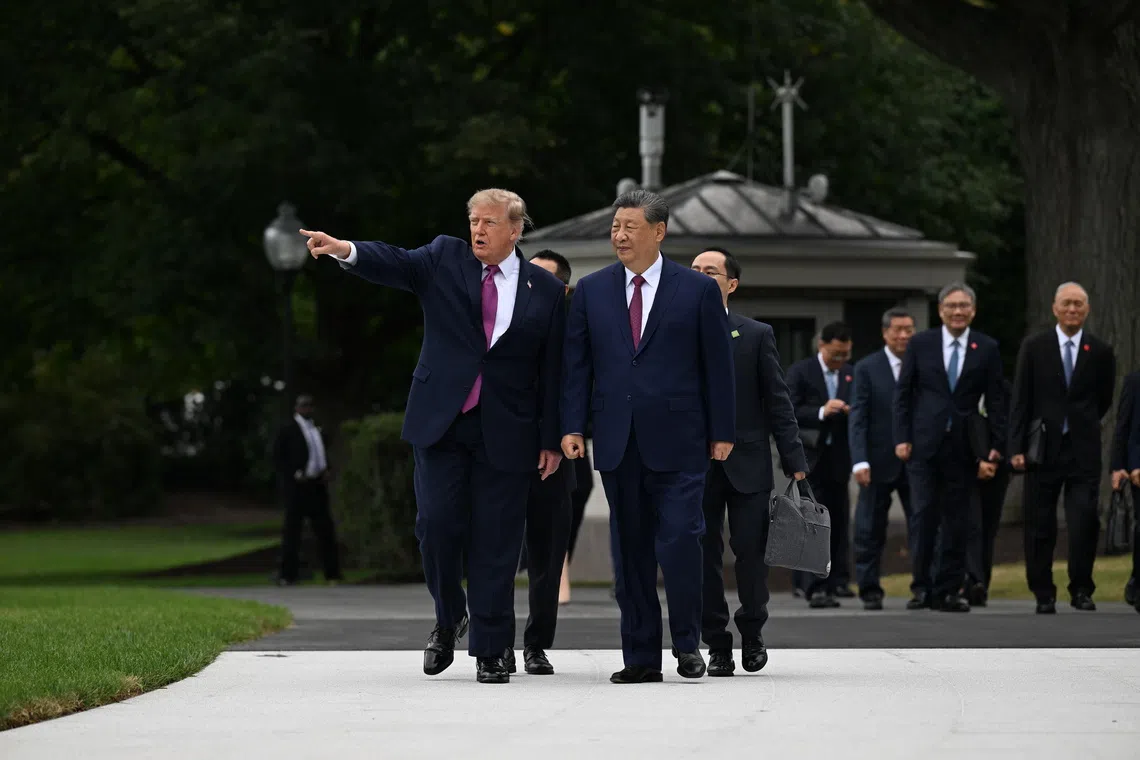
US President Donald Trump welcomed Chinese President Xi Jinping to the White House on Sept. 24, 2026, for an elaborate state visit centered on trade, artificial intelligence, and bilateral strategic rivalry. The summit resulted in a two-month extension of an expiring trade truce, offering a temporary shield for Southeast Asian economies managing intensifying superpower competition.
Extending the Trade Truce Amid Persistent Gaps
US Treasury Secretary Scott Bessent announced that Washington and Beijing agreed to extend the trade truce originally set to expire in November, pushing the new deadline to January 10, 2027. The two-month extension grants negotiators additional time to evaluate potential tariff reductions on noncritical items. However, the agreement bypasses central disputes including comprehensive tariff structures, Chinese purchasing commitments, rare-earth supplies, and advanced technology restrictions.
Bessent noted on Sept. 23 that Beijing successfully met requirements from prior agreements to purchase 25 million tons of soya beans. Yet, China continues to lag behind its pledge to acquire $17 billion in other agricultural goods. US officials also confirmed that rare-earth deliveries are falling short, demonstrating that significant structural gaps remain between the world’s two largest economies. For multinational corporations and regional suppliers alike, this dynamic introduces a familiar form of instability where tariff rates remain lower temporarily, but long-term capital allocation decisions must proceed against a shifting policy backdrop.
Strategic Rivalry and Diverging Positions on Taiwan and Technology
During the closed and open discussions in Washington, President Xi invoked the Thucydides Trap, an academic theory suggesting that structural competition between a rising power and an established hegemon frequently tends toward military conflict. While Xi argued that the risk of confrontation can be overcome through mutual cooperation and regular military dialogue, the invocation highlighted deep-seated security anxieties shadowing bilateral ties.
On the geopolitical front, Xi pressed Trump for greater prudence regarding Taiwan. According to China’s official news agency Xinhua, Beijing urged Washington to handle the Taiwan question carefully and explicitly oppose Taiwan independence. The White House has maintained its longstanding formulation that it does not explicitly support independence, resisting any linguistic shifts that might provoke congressional pushback or signal a weakening of Washington’s commitment under the Taiwan Relations Act.
The two leaders also revealed starkly differing philosophies on artificial intelligence regulation. Trump stated a preference for leaving AI unburdened by new federal guardrails, relying instead on the Department of Justice, and asserted that China shared this view. Conversely, President Xi emphasized that as leading technological superpowers, Beijing and Washington must actively manage the safe growth and governance of advanced intelligence platforms.
Implications for Southeast Asian Trade and Regional Stability
For Southeast Asian nations and the broader ASEAN bloc, the 100-day window of diplomatic calm provides a vital breathing space. Regional supply chains have faced continuous pressure from shifting US-China tariff maneuvers and technology restrictions. While the temporary truce averts an immediate escalation of trade penalties, it leaves manufacturing hubs across Southeast Asia vulnerable to renewed volatility if upcoming multilateral summits in Shenzhen and Miami fail to yield a permanent economic framework before the January deadline.
Handling these regulatory shifts and cross-border trade adjustments requires meticulous operational planning.
As diplomatic delegations prepare for subsequent rounds of negotiations ahead of the January 10 cutoff, the enduring tension between strategic decoupling and economic interdependence will continue to test the resilience of global markets.