
U.S.Tariffs Halt Cambodia‘s Emerging Solar Industry, Leaving Thousands Jobless
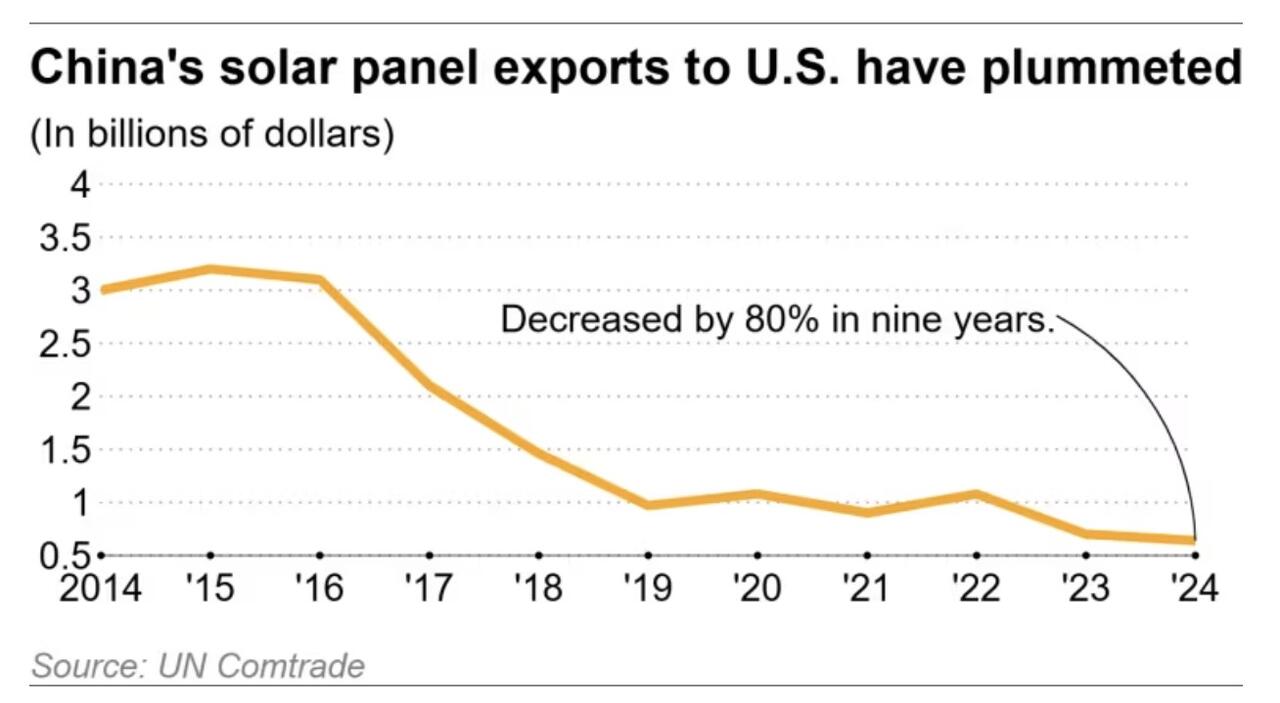
PHNOM PENH - A burgeoning solar panel manufacturing sector in Cambodia has been decimated by U.S. tariffs designed to curb Chinese imports, leaving over 1,000 workers unemployed and casting doubt on the nation’s ambitions to become a regional manufacturing hub. The tariffs, intended to address concerns about forced labor in the solar supply chain, have effectively blocked Cambodian-made panels from the lucrative U.S. market, despite Cambodian producers asserting they operate independently of Chinese supply lines.
The collapse of this industry underscores the complex geopolitical dynamics impacting global trade and the unintended consequences of protectionist policies. Cambodia had attracted investment in solar manufacturing, offering a lower-cost alternative to China, but the U.S. tariffs have stifled that growth, impacting both workers and the country’s economic progress. The situation highlights the challenges faced by developing nations seeking to integrate into global supply chains and the vulnerability of emerging industries to shifts in international trade policy.
Menghout, a Cambodian producer, vehemently disputes allegations that Cambodian factories were simply transshipping Chinese-made products. “It is not correct, because we spent a lot of money. We had more than 1,000 workers to produce equipment, and the [Cambodian Commerce] ministry monitors us,” he stated. “We don’t know their politics from one country to another, [but] we don’t cheat on our products.”
The rise and fall of the solar industry in Cambodia was rapid. Factories initially offered wages exceeding those in the garment sector, attracting workers with the promise of advanced technology and better opportunities. However, when U.S.orders dried up following the imposition of tariffs, companies were forced to drastically reduce their workforce and salaries.
Former Jintek employee Men Samet, now a fruit seller in Phnom Penh, recounted the experience. ”There was [later] no demand to make solar panels as the U.S. stopped ordering… Then, they reduced workers and salaries.” He expressed a willingness to return if the industry rebounds, stating, “If solar came back, we would go back. We had good managers and high salaries.”
