
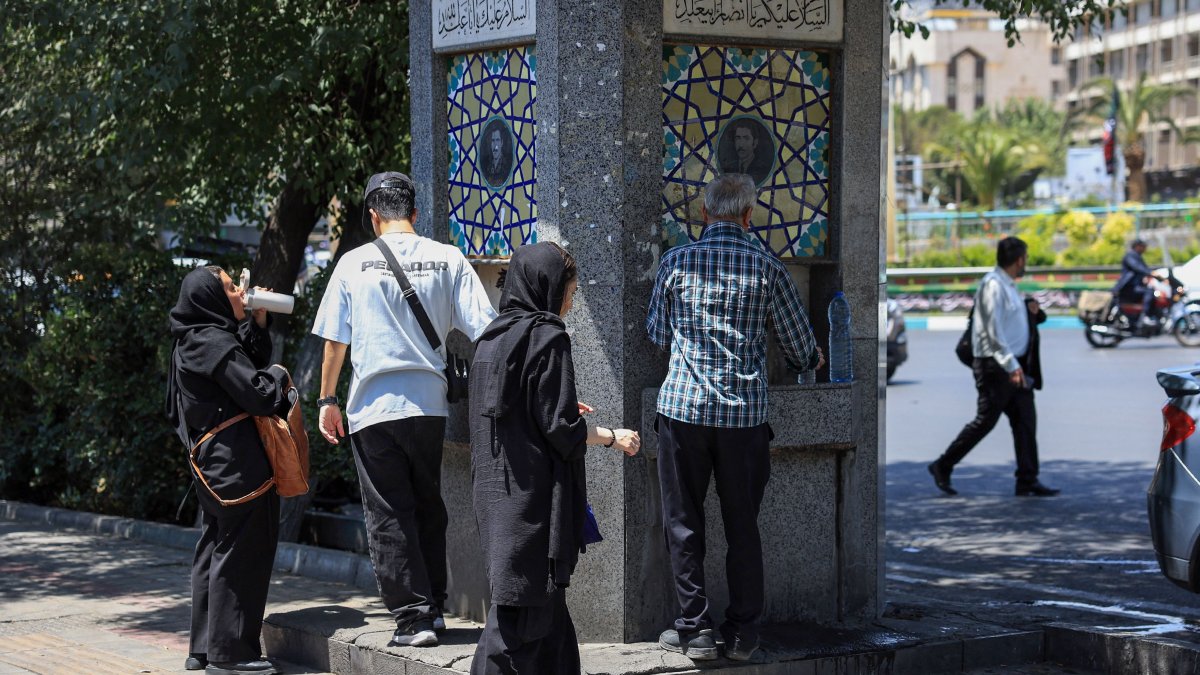
tehran prepares for Water Rationing Amidst Crippling Drought
TEHRAN, Iran – Iranian authorities are contemplating water rationing for Tehran and considering nighttime water cuts in teh city of Mashhad as a severe drought threatens the nation’s water supply, officials announced this week. The escalating crisis, marked by critically low reservoir levels, raises concerns about access to water for the country’s largest city and beyond.
Iran is grappling with a prolonged period of drought, exacerbated by climate change and inefficient water management. Tehran, a megacity of millions, relies on five reservoirs for its water needs, but the primary source, the Amir Kabir dam on the Karaj river, is nearing depletion. This situation underscores a growing national challenge, impacting major urban centers and prompting emergency measures to conserve dwindling resources.
According to Behzad Parsa, director general of the tehran water company, the Amir Kabir dam currently holds only 14 million cubic meters of water-a dramatic decrease from the 86 million cubic meters held during the same period last year. At the current rate, Parsa stated, the reservoir contains less than two weeks’ worth of supply for the Tehran region.
The water shortage isn’t limited to the capital. State television recently broadcast footage revealing significantly reduced water levels in dams serving Isfahan and Tabriz. In Mashhad, Iran’s second-largest city, officials are evaluating nighttime water cuts as a potential solution, Hassan Hosseini, a deputy in the city, told the IRNA news agency.
the crisis prompted the declaration of two public holidays in Tehran during July and August, aimed at reducing water and energy consumption during a period of intense heatwaves and near-daily power outages. While authorities have not detailed a complete evacuation plan, a government spokesperson indicated that Tehran could be evacuated if no rainfall occurs before the end of the year.
Tehran typically experiences relief from its hot, dry summers with autumn rains and winter snowfall, but these patterns have become increasingly unreliable. The city’s inhabitants currently consume three million cubic meters of water daily, placing immense strain on already stressed resources. The unfolding situation highlights the urgent need for sustainable water management strategies and long-term solutions to address the escalating drought conditions across Iran.
