
Al-Fasher Under RSF Control: Escalating Violence and Humanitarian Crisis in Sudan
Recent days have seen the Rapid Support Forces (RSF) seize control of Al-Fasher,the capital of North Darfur,marking the culmination of a final assault against the Sudanese Armed Forces (SAF) following a conflict that began in April 2023. The RSF has taken the army’s last positions within the city. Accusations of war crimes have been leveled against both the RSF and the SAF.
The capture of Al-Fasher has triggered a surge in violence and a deepening humanitarian crisis. The International Federation of Red Cross and Red Crescent reported the deaths of five Sudanese Red Crescent volunteers and the disappearance of three others in Bara,North Kordofan,after the RSF gained control of the town over the weekend. Over 26,000 people have fled Al-Fasher in the two days following the city’s fall, primarily traveling on foot towards Tawila, located 70 kilometers west. Approximately 177,000 civilians remain trapped within Al-Fasher,now encircled by a 56km earthen berm constructed by the RSF,restricting access to food,medicine,and escape routes.
The situation has prompted widespread condemnation and warnings of potential atrocities. The United Nations has cautioned against “ethnically motivated violations and atrocities,” while the African Union has condemned “escalating violence” and “alleged war crimes.” Pro-democracy groups report “the worst violence and ethnic cleansing” as sunday, with the army-allied joint Forces accusing the RSF of killing over 2,000 civilians.
Reports and visual evidence are emerging detailing severe abuses. RSF fighters have reportedly shared videos depicting executions and abuse of civilians. The RSF-led coalition has responded by stating it will form a committee to verify the authenticity of these videos and allegations,claiming many are “fabricated” by the army.
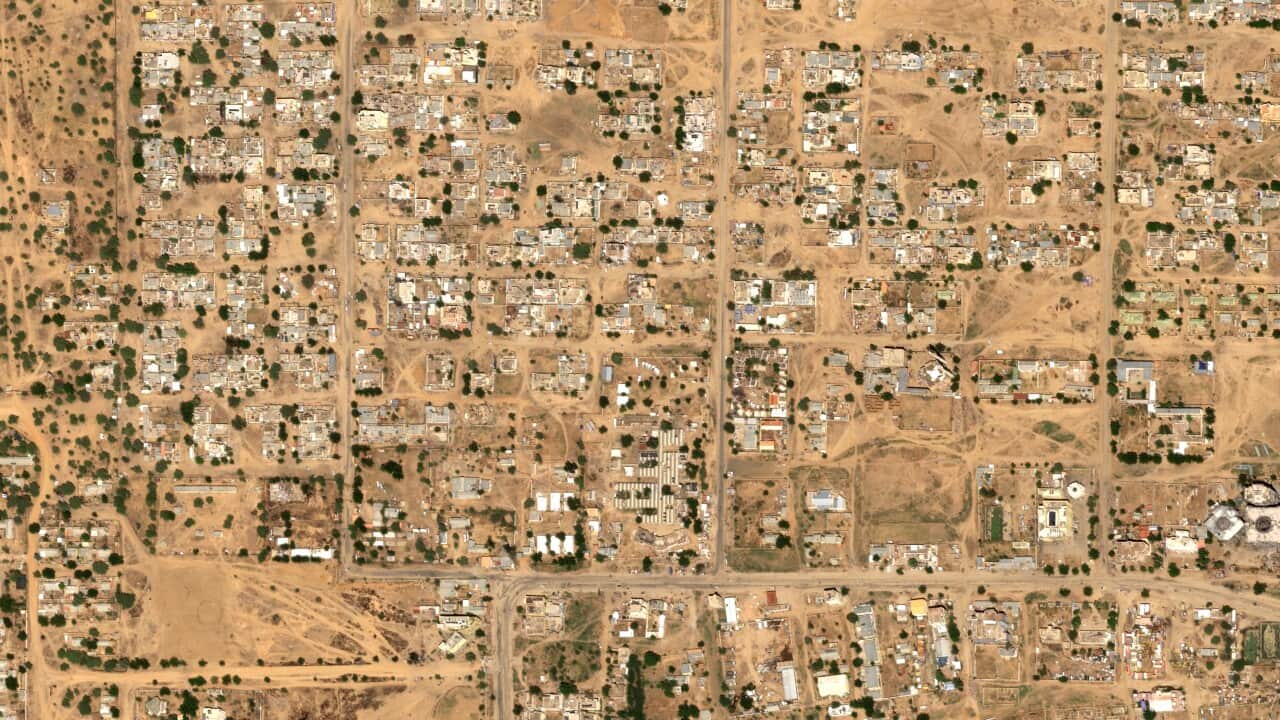
Satellite analysis conducted by Yale University’s Humanitarian Research Lab (HRL) corroborates eyewitness accounts, revealing evidence of door-to-door killings, mass graves, and bodies visible along the city’s berm. HRL’s executive director, Nathaniel Raymond, a veteran war investigator with 25 years of experience documenting conflicts in regions including Syria, Sudan, Afghanistan, and Ethiopia, described the “velocity” of the violence as unprecedented in his career, comparing it to the scale of the 1994 Rwandan genocide, where an estimated 800,000 people were killed.Raymond’s analysis indicates a rapid increase in the number of identified potential human remains, moving from hundreds to “tens of thousands” since the SAF lost control of the city. Specifically, the analysis identified a significant increase in objects meeting human dimensions within a 24-hour period.
Agence France-presse identified a fighter in one circulating video as a known RSF member with a history of posting execution videos on TikTok,appearing to show him firing into a crowd of civilians. Pro-democracy activists have also accused the RSF of executing wounded patients at the Saudi Hospital in al-Fasher.
The ongoing conflict has already resulted in tens of thousands of deaths and displaced millions, contributing to the world’s largest displacement and hunger crisis.
