
Low Earth Orbit Faces Growing Congestion,New study Warns
WASHINGTON – A new study published in the journal Acta Astronautica is raising concerns about the increasing congestion in low Earth orbit (LEO),potentially accelerating the point at which the region reaches full capacity. Researchers warn that a rise in collisions could exacerbate the problem, creating more space debris and further limiting usable orbital space.
The study highlights that certain altitudes are already experiencing notable crowding. Satellites orbiting between 25 and 370 miles (400 to 600 km) and 435 and 500 miles (700 and 800 km) are frequently forced to perform collision avoidance maneuvers – in some areas, more than 10 times per month.
“Although most of the orbit is not yet at capacity, some regions already are,” said researcher Alice Harris. “The two most affected areas are between 400 and 600 kilometers, where many active satellites are, and then between 700 and 800 kilometers, where ther is a lot of space debris.”
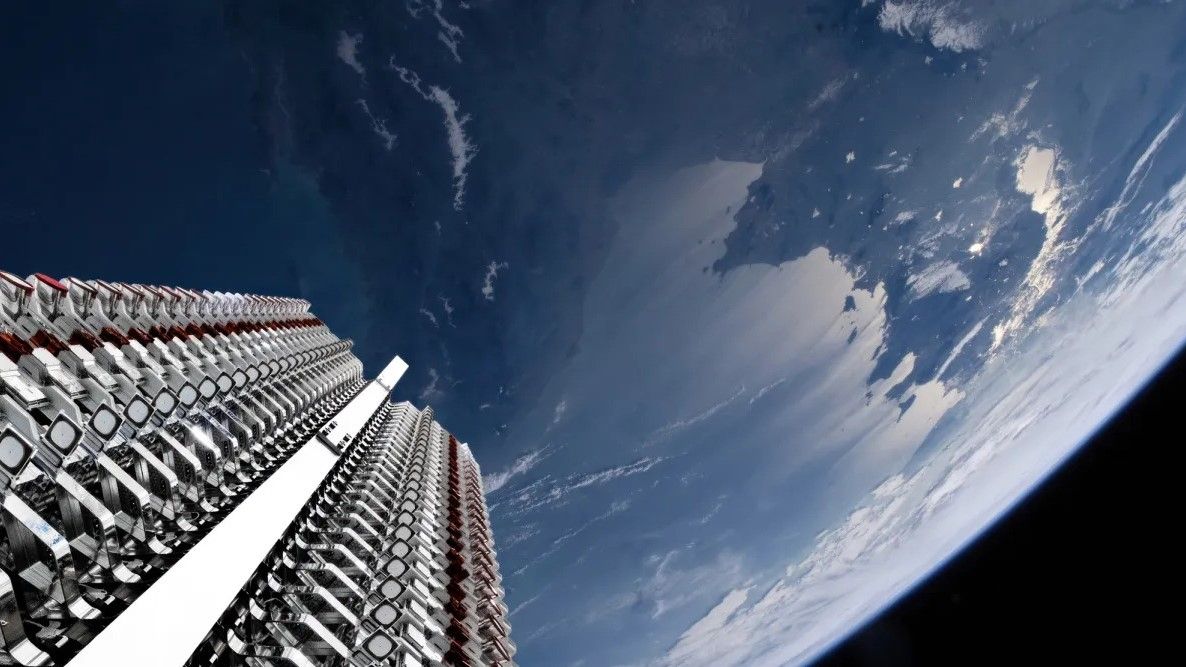
SpaceX’s Starlink constellation is already actively maneuvering to avoid collisions. According to a recent report filed with the U.S. Federal Communications Commission, Starlink satellites performed 145,000 collision-avoidance maneuvers in the six months prior to July 2025 – roughly four maneuvers per satellite each month.
“Thay seem to be able to accommodate that really well,” said Hugh Lewis, an expert on space situational awareness. “They don’t seem to be saying that it’s getting really hard, so they might be able to accommodate it even if we get to the 10 per month.”
The study suggests that launching fewer satellites into already crowded orbits and coordinating satellite operations to synchronize orbital paths could help mitigate the issue.Though, Lewis expressed skepticism about the feasibility of global coordination, particularly given the growing number of planned satellite constellations from countries like China, which intends to launch tens of thousands of satellites as part of its Guowang satellite internet megaconstellation.
“I don’t think it’s likely to happen that you would get SpaceX and the Chinese coordinate how they structure and operate their systems,” Lewis stated.
The increasing congestion poses a significant challenge for both researchers and satellite operators, with the potential to limit future access to LEO.”If we have more collisions that create a lot of debris, that will lead to us reaching [full orbital] capacity much sooner,” Harris warned.
