
Rare, Remarkably Preserved Dinosaur Egg Discovered in Patagonia
RIO NEGRO, ARGENTINA – A team of paleontologists in Argentina has unearthed an exceptionally well-preserved dinosaur egg, estimated to be over 70 million years old. The discovery, made in the Neuquén Province of Patagonia, is being hailed as remarkably rare, notably given the egg’s pristine condition.
The egg was found alongside a nest of others, according to a post on the Laboratory of Comparative Anatomy and Vertebrate Evolution’s (LACEV) Instagram page. Team leader Federico Agnolín, a world-class anatomist, is pictured holding the egg, wich appears almost like a hard-boiled egg.
“This is moast likely the first discovery of this person in South America,” reads the description accompanying one video clip. The post further states, “As you can see, this fossil is over 70 million years old, and SHE WAS NOT ALONE, WE FOUND HER NEST.”
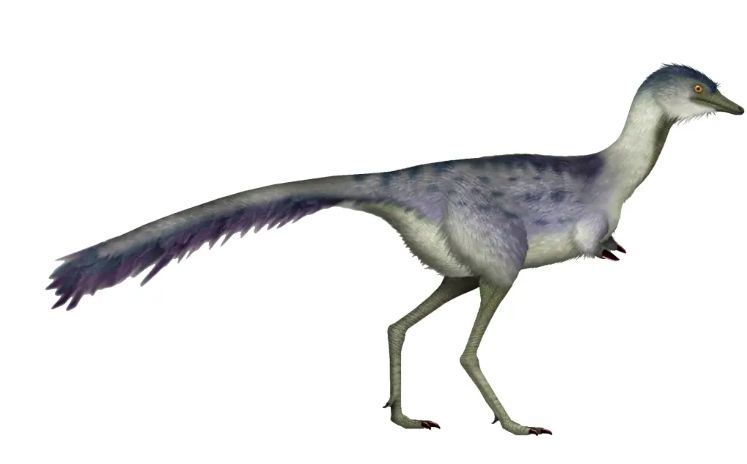
Scientists believe the egg belonged to Bonapartenykus, a small, carnivorous theropod dinosaur that lived during the late Cretaceous period. “it’s very rare to find carnivorous dinosaur eggs, especially in these conditions,” explained researcher José Luis Muñoz, noting that sauropod (long-necked dinosaur) eggs are more commonly found. He described the egg as “round,like a giant ball,with a thicker shell.”
Experts explain that carnivorous dinosaur eggs are less frequently discovered due to the smaller population of meat-eating dinosaurs and the fragility of their eggs, which were ancestral to modern birds. “their eggs were more like birds, as it was this lineage of carnivorous dinosaurs that would give birth to birds,” Muñoz said. “Therefore, the eggs will be more fragile, with much thinner shells, and more susceptible to damage.”
The egg and other finds from the site will be transported to the Argentine museum of Natural Sciences for further examination. Researchers will conduct a detailed scan to determine if the fossil shell contains an embryo.
Muñoz expressed hope that the egg contains an embryo,which could confirm the dinosaur’s species and provide insights into dinosaur evolution. “If it was a carnivorous dinosaur, this finding would teach us, such as, how dinosaur eggs evolved into birds,” he stated. “It can show what the cubs are like, how they were when they were born, whether they are fully developed or not. Any information it provides will be very new and engaging.”
