
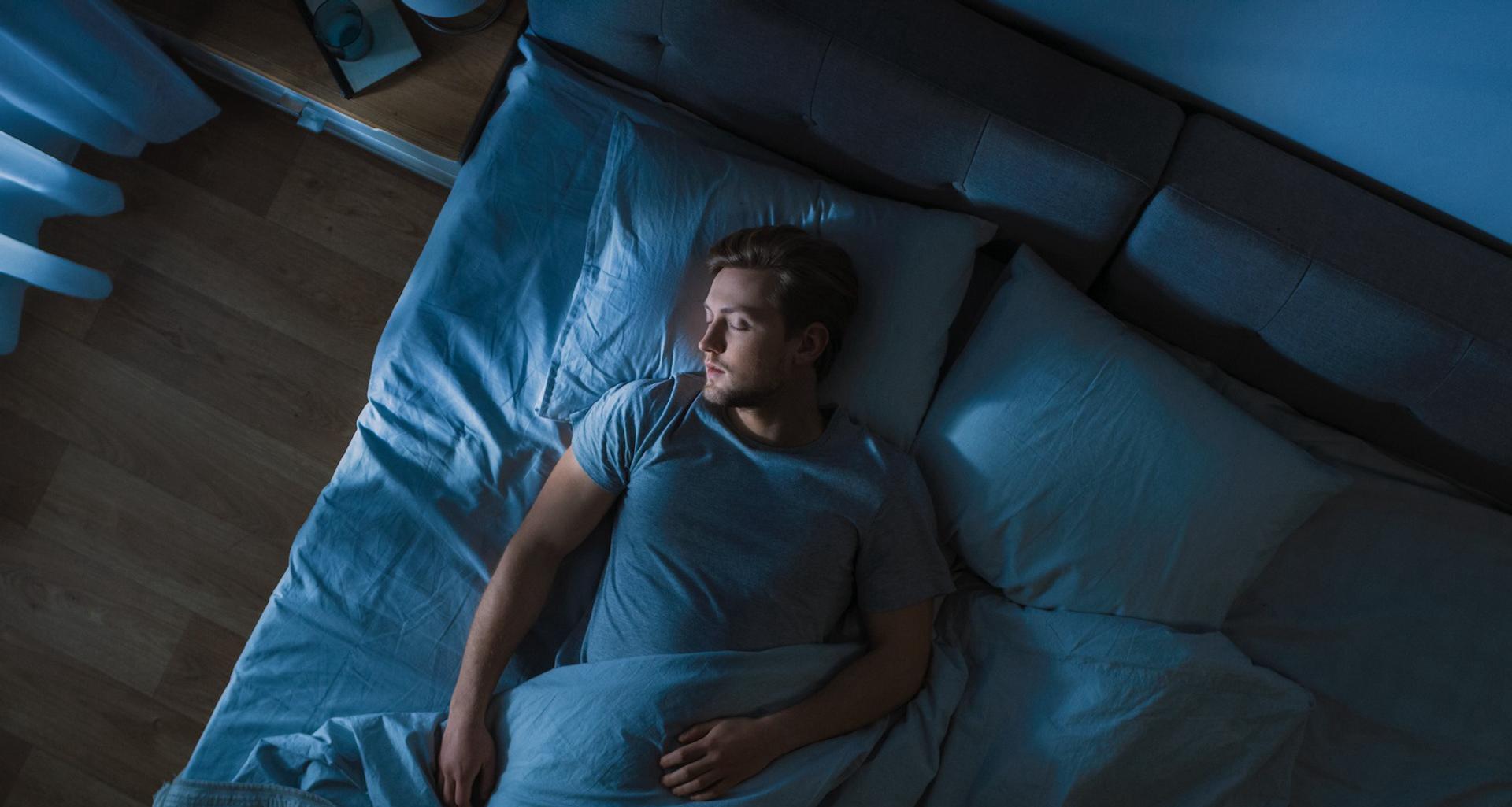
Night Light Exposure Linked to Increased heart Disease Risk, Study Finds
New research suggests even modest exposure to artificial light at night is associated with a higher risk of heart disease, adding to growing concerns about the health impacts of light pollution.
A new study reveals a nearly linear relationship between nighttime light exposure and heart disease,with even small increases in artificial light linked to greater stress on the brain and arteries. “We found an almost linear relationship between night light and heart disease: the greater the exposure to night light, the higher the risk,” explains Dr. Shady Abohashem, one of the studyS authors.
The research indicates that when the brain perceives stress from light exposure, it activates signals that can trigger an immune response and inflame blood vessels. Over time, this process can contribute to hardening of the arteries and increase the risk of heart attack and stroke.
While the study has not yet been published in a peer-reviewed journal, it corroborates existing research highlighting the detrimental effects of insufficient darkness during sleep. Experts recommend several steps to mitigate exposure to nighttime light pollution. Individuals can advocate for reduced and sensor-activated exterior lighting in their communities, and take personal measures such as using blackout curtains, sleep masks, and sealing gaps around windows to block out light. Removing electronic devices and decorative lights from bedrooms is also advised.
The findings underscore the growing recognition of excessive artificial light at night as a significant public health issue.
