
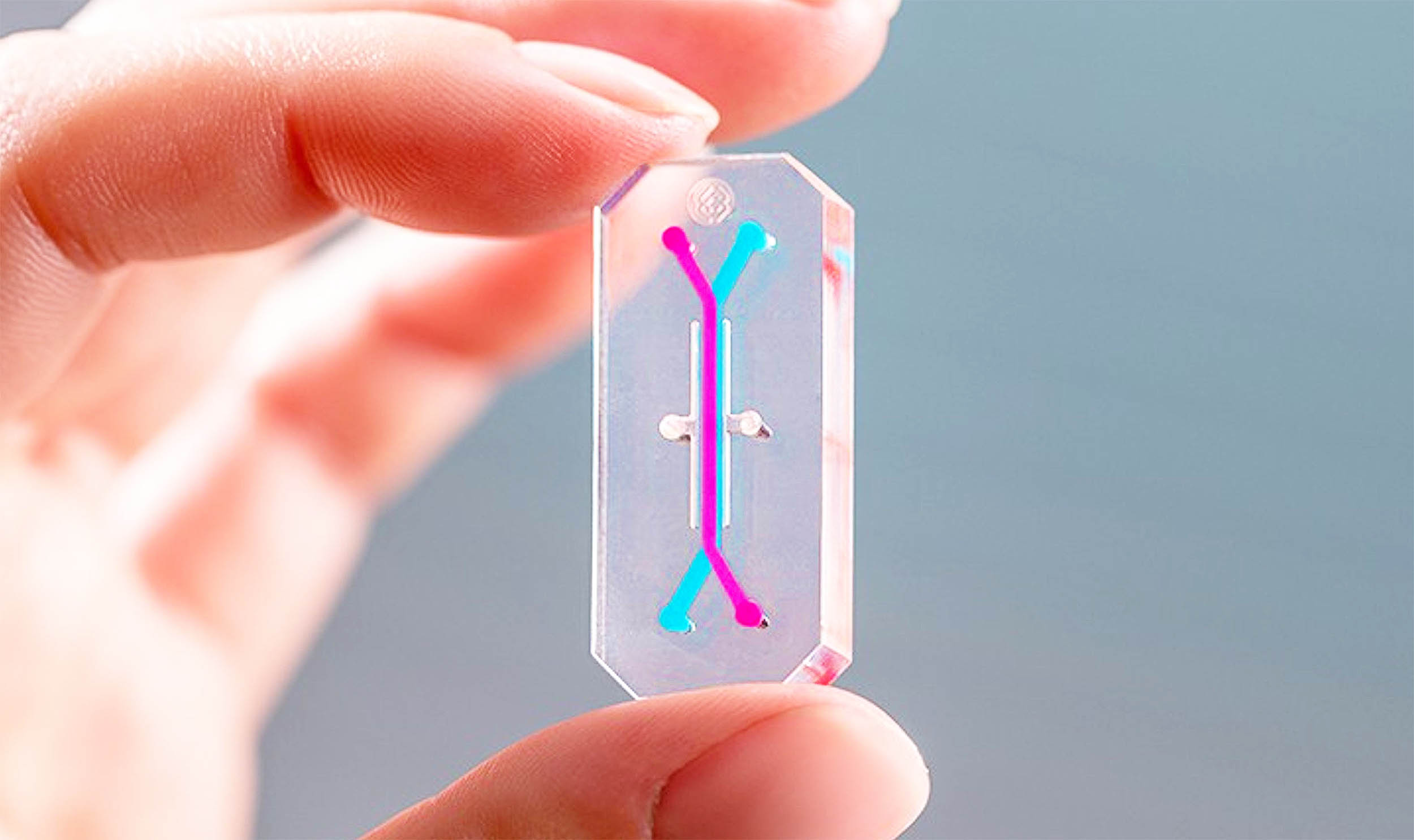
NASA launches ”Organ-on-a-Chip” Study to Monitor Astronaut health in Space
HOUSTON, TX – In a first-of-it’s-kind initiative, NASA is deploying advanced “organ-on-a-chip” technology on the upcoming Artemis II mission to study the effects of space travel on human physiology in real-time. The project, utilizing technology from Emulate, Inc., aims to provide personalized health insights for astronauts and accelerate medical advancements on Earth.
The chips, wich mimic the function of human organs, will fly aboard the Artemis II mission, scheduled to launch later this year. these devices will specifically focus on bone marrow, utilizing a platform that measures gene activity cell by cell across thousands of genes – a technique known as single-cell RNA sequencing. This allows researchers to observe how human blood cell production reacts to the space environment.
“For NASA, organ chips could provide vital data for protecting astronaut health on deep space missions,” stated Lisa Carnell, director of NASA’s Biological and Physical Sciences division at NASA Headquarters.
The data collected from the flight chips will be directly compared to samples taken from the same astronauts on the ground during a parallel study. This side-by-side design will help isolate space-specific changes, differentiating them from normal daily variations. A recent study highlighted the importance of this type of monitoring, finding signs of accelerated aging in human blood forming stem cells after space exposure.
Beyond astronaut health, the platform has broader implications for medical research. Emulate’s bone marrow chip model can inform safer drug dosing and perhaps reduce reliance on animal testing. Faster, human-relevant screening could also help clinicians personalize care for patients who respond differently to the same medications.
The Artemis II chips will be in space for approximately 10 days, initiating a continuous monitoring habit. NASA plans to expand this approach to other tissues, including the heart, lung, brain, and liver, and to develop longer-duration chip cultures to study adaptation over weeks and months – crucial for future Mars missions. The goal is to build a library of individual responses to identify shared risks and personalize countermeasures, ultimately improving healthcare both in space and on Earth.
