Title: Multiple Explosive Attacks in Colombia Leave Dozens Dead and Injured as Violence Escalates
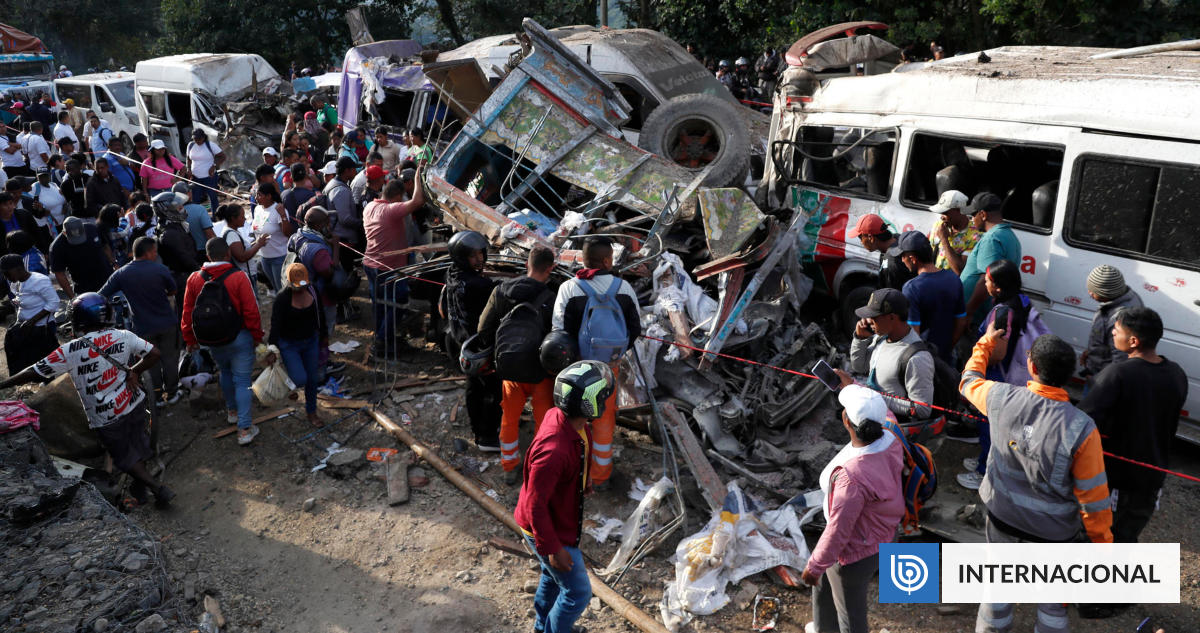
On April 25, 2026, a powerful explosive device detonated on a major highway in Colombia’s Cauca department, killing 14 people and injuring 38 others in the latest escalation of violence linked to dissident FARC factions operating in the region’s remote corridors. The blast occurred near the town of Santander de Quilichao, a critical transit point for goods moving between Colombia’s Pacific coast and interior markets, disrupting supply chains and heightening fears of renewed instability in a zone long plagued by armed conflict, narcotics trafficking, and weak state presence. This attack underscores the persistent security vacuum in Colombia’s southwest, where government efforts to consolidate peace have repeatedly faltered amid fragmented guerrilla groups, illicit economies, and limited institutional reach.
The Human Toll and Geographic Flashpoint
The explosion ripped through a passenger bus and several cargo vehicles traveling along Route 25, a vital artery connecting the department of Cauca to the Valle del Cauca. Eyewitnesses described a deafening blast followed by flames engulfing the vehicles, trapping occupants inside. Local emergency responders, including volunteer firefighters from Santander de Quilichao and municipal civil defense units, rushed to the scene amid ongoing security risks. Hospitals in nearby Popayán and Cali reported being overwhelmed by the influx of trauma cases, with several victims requiring air evacuation to specialized burn units in Bogotá. The attack adds to a grim tally: over 40 explosive incidents have been recorded on Colombia’s highways in the first quarter of 2026 alone, according to the National Police’s Anti-Narcotics Directorate.
“This isn’t just an attack on infrastructure—it’s a message. They want to show the state is absent here, that they control the movement of goods and people. Every time a bus burns, the economy bleeds a little more.”
— Colonel Elena Rojas, Commander of Cauca Department Police, in a press briefing on April 26, 2026.
Historical Context: A Cycle of Violence in Colombia’s Southwest
The Cauca department has long been a epicenter of Colombia’s armed conflict, its rugged terrain and coca-rich valleys making it a strategic prize for insurgent groups. Though the 2016 peace accord with the FARC led to the demobilization of thousands of fighters, dissident factions—particularly the Segunda Marquetalia and Estado Mayor Central—have rejected the agreement, reconstituting armed structures in remote zones. These groups now finance themselves through cocaine production, illegal mining, and extortion of local businesses, including transporters and agro-industrial operators. According to the United Nations Office on Drugs and Crime (UNODC), coca cultivation in Cauca increased by 18% in 2025, reversing years of decline and signaling renewed investment in illicit economies by armed actors.
The state’s response has been hampered by chronic underfunding and institutional weakness. Colombia’s National Development Plan allocates less than 0.5% of its security budget to comprehensive rural development in conflict-affected areas, a shortfall repeatedly highlighted by the Office of the Attorney General. Without viable economic alternatives, many young people in Cauca observe joining armed groups or working for coca harvesters as their only viable livelihood—a dynamic that perpetuates the cycle of violence.
Economic Ripple Effects: Beyond the Blast Zone
The immediate aftermath of the attack saw transporters associations in Cali and Popayán suspend operations on key routes, fearing further explosions. The Colombian Chamber of Infrastructure (CCI) estimates that highway blockages and security-related delays cost the national economy over $1.2 billion annually, with the southwest corridor bearing a disproportionate share. Agricultural producers in Cauca, already struggling with climate variability and fluctuating commodity prices, now face heightened risks getting their coffee, sugarcane, and livestock to market. Modest businesses in Santander de Quilichao reported a 30% drop in foot traffic following the blast, as residents avoided public spaces out of fear.
These disruptions are not isolated. Similar patterns emerged after attacks in 2023 and 2024, prompting calls for a more robust security-for-development model. Experts at the Universidad del Cauca argue that lasting stability requires integrating security operations with investments in rural roads, broadband access, and legal agricultural value chains—initiatives that remain chronically underfunded despite repeated promises in national peacebuilding frameworks.
The Directory Bridge: Who Steps In When the State Falters?
When explosive violence shatters transportation networks and overwhelms local emergency response, the need for rapid, coordinated action becomes acute. Communities affected by such incidents rely on emergency restoration contractors to clear debris, repair damaged vehicles, and restore transit routes under tight timelines and dangerous conditions. Simultaneously, businesses facing interruption losses turn to commercial litigation attorneys to navigate insurance claims, assess liability, and pursue compensation from responsible parties where identifiable. In the longer term, rural economic development advisors play a critical role in helping communities transition away from illicit economies by identifying viable alternatives in agroforestry, eco-tourism, and renewable energy—sectors where Colombia’s southwest holds significant untapped potential.

These services are not luxuries; they are essential components of resilience in regions where the state’s reach is intermittent and trust in institutions remains low. The World Today News Directory connects users with vetted professionals who operate in these high-risk environments, offering transparency, verified credentials, and local knowledge that can make the difference between prolonged paralysis and meaningful recovery.
As Colombia grapples with the resurgence of violence in its peripheral zones, the attack on Route 25 serves as a stark reminder that peace is not a destination but a daily practice—one that demands sustained investment in security, justice, and opportunity. For those working to rebuild in the aftermath, the path forward is neither easy nor guaranteed. Yet in the midst of devastation, there remains a stubborn insistence on continuity: buses will run again, markets will reopen, and communities will persist in seeking not just survival, but dignity. The true measure of progress will be whether the next generation inherits not just memories of explosions, but tangible signs that the state has finally decided to stay.