
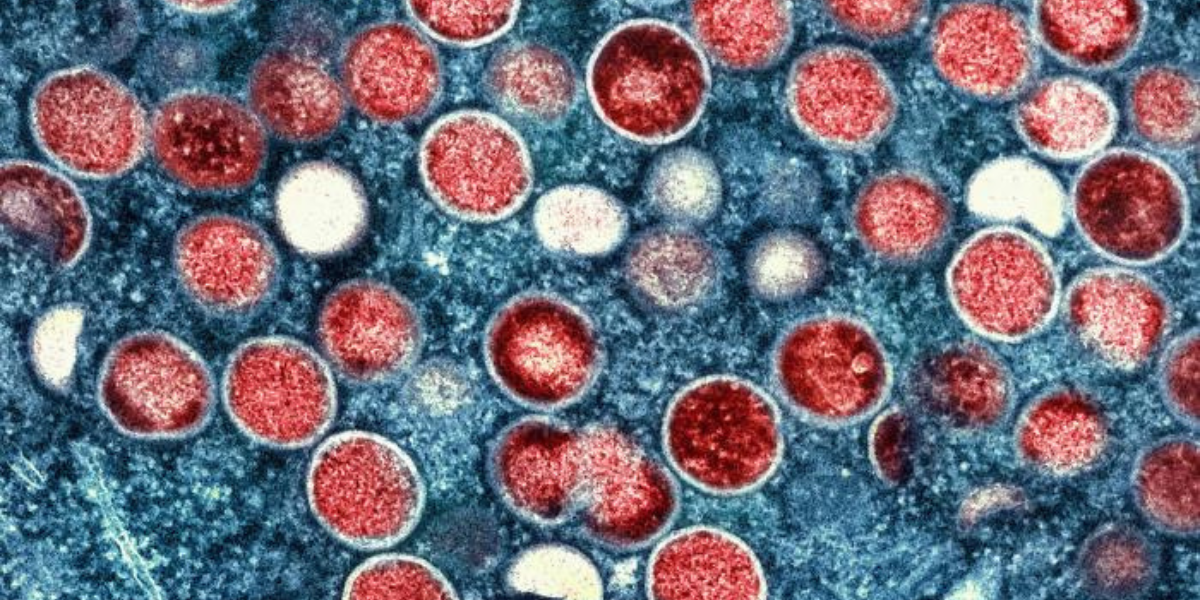
Mpox Update: Two Clades and emerging Concerns
Mpox, formerly known as monkeypox, exists in two main clades, or genetic branches: Clade I and Clade II. These clades differ in severity and transmission patterns.
Clade II mpox generally causes milder illness with a fatality rate below 1%. This clade was responsible for the global outbreak in 2022 and typically spreads thru sexual activity and close physical contact.
Clade I mpox, however, is more severe, with a fatality rate around 10%. Historically found in the Democratic republic of Congo (DRC), transmission was primarily from animals to humans through handling bushmeat. A new outbreak originating in the DRC in 2023 is now demonstrating person-to-person spread.
Within Africa, Clade I is spreading through daily household contact among family members and in healthcare settings lacking adequate protective equipment. A concerning trend is the increased number of cases reported in children under 15. Importantly, Clade I is also being transmitted sexually, marking the first time this has been observed for this clade. The majority of these sexually transmitted cases involve heterosexual contact and are concentrated among sex workers and transient populations like truck drivers.
Currently,over 40,000 cases of Clade I mpox have been reported in several Central and Eastern African countries,with isolated cases appearing in travelers to these regions.
Until recently, the United States had only reported six cases of Clade I mpox, all linked to recent travel. Though, three new cases have been identified in California – one in Long Beach and two in Los Angeles County – in individuals without recent travel history.This suggests the possibility of local transmission. Public health officials are actively investigating potential sources of infection and assessing the potential severity of the virus within the U.S. context,where access to healthcare may improve patient outcomes.
While the risk of Clade I mpox remains low in the U.S., healthcare providers are urged to be vigilant for mpox symptoms. It’s also crucial to remember that Clade II mpox cases still occur in the U.S., though at significantly lower numbers than in 2022.
The JYNNEOS vaccine is available for prevention and is recommended by the CDC for:
* Gay, bisexual, transgender, or other men who have sex with men who have had (in the last six months) or expect to have:
* One or more sexually transmitted infections
* More than one sexual partner
* Anonymous sexual or intimate contact
* Sex at a commercial sex venue
* Sex in association with a large public event in a geographic area where mpox transmission is occurring
The CDC has also issued safer sex guidelines emphasizing that mpox spreads through close face-to-face contact, contact with blisters, and contaminated fabrics. Behavioral changes observed during the 2022 outbreak – reduced anonymous sex, decreased skin-to-skin contact, and frequent bedding washing – were effective in limiting infection spread.
Staying informed and prepared is vital to prevent transmission, particularly with the emergence of this more risky Clade I variant.
