
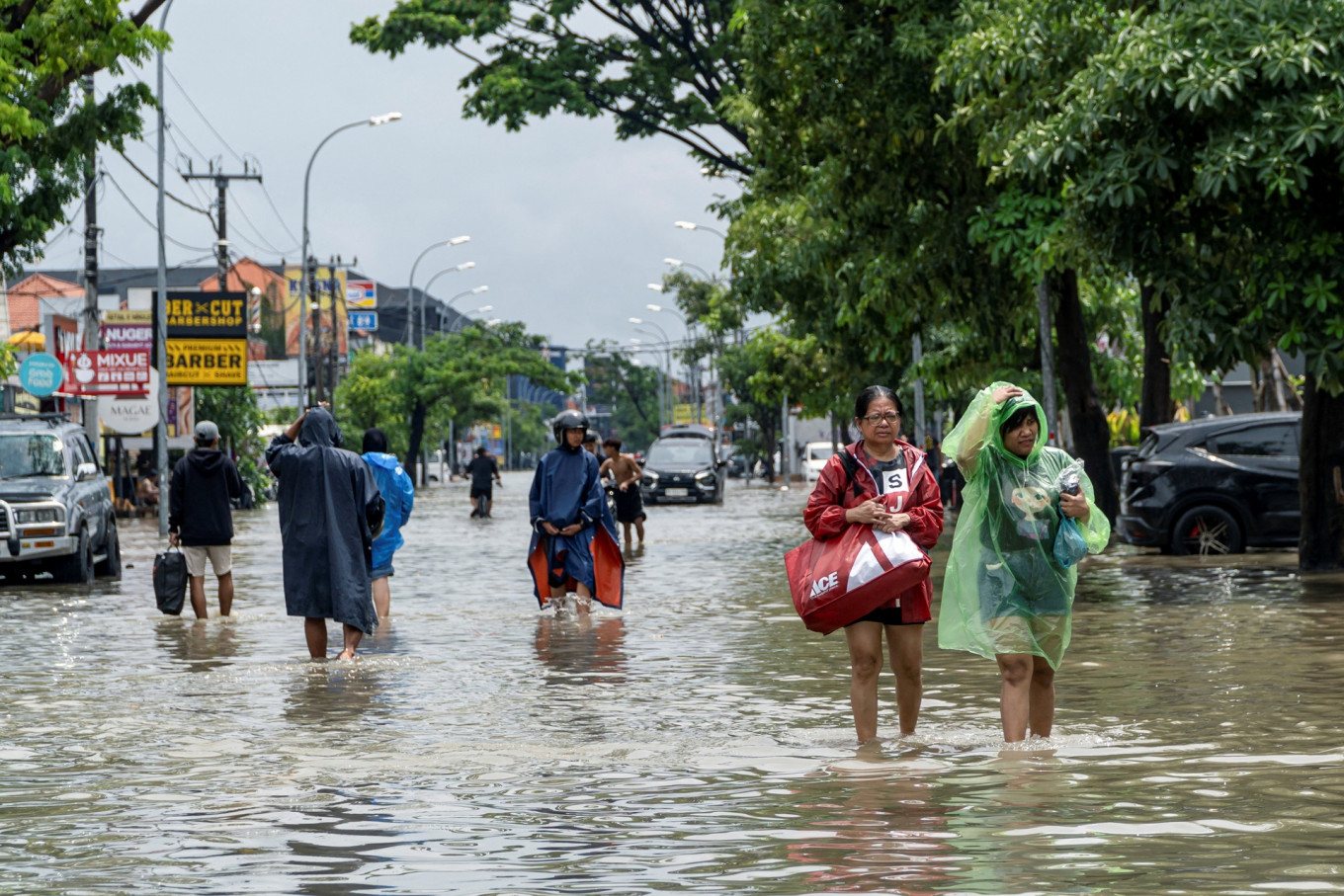
Indonesia is preparing for a potentially wetter-than-usual rainy season as the La Niña weather pattern develops, raising concerns about increased risks of flooding and landslides across the archipelago. The Meteorology, Climatology, and Geophysical Agency (BMKG) issued the warning on September 15, 2023, anticipating the peak of the rainy season between November and February.
While most Indonesian regions are expected to experience typical rainfall levels through April 2024, BMKG head Dwikorita Karnawati cautioned that West Java, Central java, and portions of Sulawesi, Maluku, and Papua islands could face unusually intense downpours. La Niña, characterized by cooler-than-average sea surface temperatures in the central and eastern equatorial Pacific Ocean, typically brings increased rainfall to Indonesia. This heightened precipitation can overwhelm drainage systems, trigger flash floods, and destabilize hillsides, potentially displacing communities and disrupting infrastructure. The BMKG’s forecast underscores the need for heightened preparedness and mitigation efforts across vulnerable areas.
