Title: Iran Reimposes Strict Controls on Hormuz Strait Amid Rising Tensions and Global Shipping Concerns
Iran has reimposed strict management measures on the Strait of Hormuz, a critical maritime chokepoint through which approximately one-fifth of global oil trade passes, according to Iranian state media citing naval authorities.
The directive, announced on April 1, 2026, requires all foreign vessels transiting the strait to obtain prior clearance from Iranian naval command and submit detailed manifests of cargo and crew. Non-compliant ships risk interception or escort by Iranian Revolutionary Guard Corps naval units.
U.S. President Donald Trump responded via social media, warning Iran against what he described as “blackmail” and reiterating that the United States would not tolerate interference with freedom of navigation in international waters.
The move follows a series of escalating incidents in the strait over the past month, including multiple reports of Iranian gunboats firing warning shots at commercial tankers and several vessels altering course to avoid the waterway amid conflicting signals about its operational status.
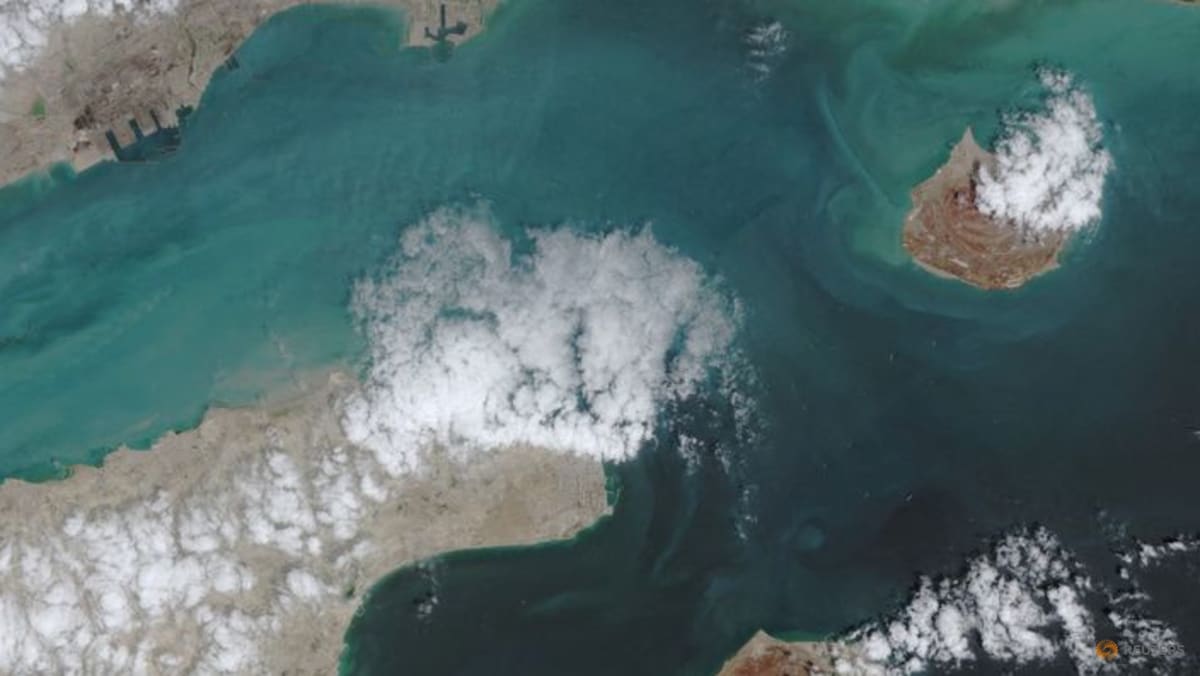
On April 5, satellite imagery and maritime tracking data showed at least three large crude carriers turning back from the entrance to the strait after receiving unclear guidance from regional maritime authorities, despite official announcements that the lane had reopened following a temporary closure.
Commercial shipping operators have reported increased insurance premiums and rerouting costs, with some carriers opting to transit via the longer Cape of Good Hope route to avoid potential delays or detentions.
Regional analysts note that Iran’s renewed enforcement coincides with ongoing indirect negotiations between Tehran and Washington over its nuclear program, mediated by Oman, which have seen limited progress in recent weeks.
The U.S. Fifth Fleet, based in Bahrain, has maintained a routine presence in the Gulf of Oman but has not altered its operational posture in response to Iran’s latest measures, according to publicly available military statements.
As of April 9, no formal complaints have been filed by flag states or international shipping bodies regarding the new Iranian procedures, though several industry groups have called for urgent clarification through the International Maritime Organization.
Diplomatic channels between Tehran and Washington remain active but strained, with neither side indicating a willingness to de-escalate maritime tensions without reciprocal concessions on broader geopolitical issues.