
Study Demonstrates HPV Vaccine Drives Herd Immunity, Protecting Both Vaccinated and Unvaccinated
A recent long-term study confirms the effectiveness of the HPV vaccine and demonstrates the potential for herd immunity, offering protection even to those who haven’t received the vaccination. researchers at Albert Einstein college of Medicine in New York analyzed data collected over 17 years (2006-2023) from six studies involving young people aged 13-26 in Cincinnati, Ohio. The initial study began just prior to the vaccine’s availability.
The study tracked HPV vaccination rates, wich rose substantially from 0% to 82% over the study period. Correspondingly, infection rates from HPV types targeted by the vaccines plummeted among vaccinated individuals. Specifically, infections from HPV types covered by the 2-valent vaccine decreased by 98.4%, those covered by the 4-valent vaccine dropped by 94.2%, and infections from types covered by the 9-valent vaccine (introduced in 2014) declined by 75.7%.
Importantly, the research revealed a notable benefit extending beyond those directly vaccinated. Among unvaccinated women, infections with HPV types covered by the 2-valent vaccine decreased by 71.6%, and infections with types covered by the 4-valent vaccine dropped by 75.8%.
“Our analysis of the data indicates that those reductions in infection rates were primarily due to the vaccine’s introduction and not because of changes in sexual behavior or other factors,” stated Aislinn DeSieghardt, clinical research coordinator at Cincinnati Children’s Hospital Medical Center.
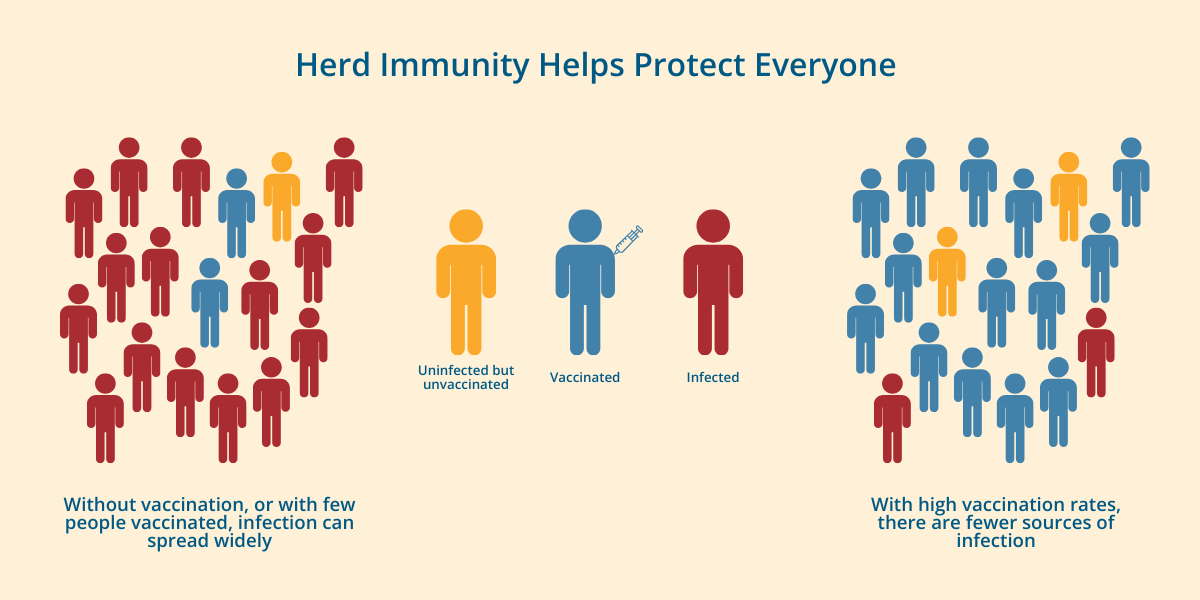
Lead author Dr. Jessica Kahn, a professor of Pediatrics at Einstein, explained these findings as “clear evidence of herd immunity,” meaning widespread vaccination indirectly protects unvaccinated individuals by reducing overall virus transmission. While data was insufficient to definitively confirm herd immunity specifically with the newer 9-valent vaccine, initial outcomes are encouraging.
Despite these positive results, current HPV vaccination rates in the U.S.are a cause for concern. After increasing annually from 2013 to 2021, rates have plateaued. As of 2024, only 62.9% of teens are “up to date” on their HPV vaccinations – a figure unchanged from the previous two years. Public health experts fear this stagnation could indicate a negative trend, perhaps hindering the continued benefits of widespread vaccination and cancer prevention.
The study underscores the critical role of maintaining high vaccination rates to maximize the protective effects of the HPV vaccine and prevent HPV-related cancers.
