
Hong Kong Elections Met with crackdowns, Raising Concerns Over Diminished Freedoms
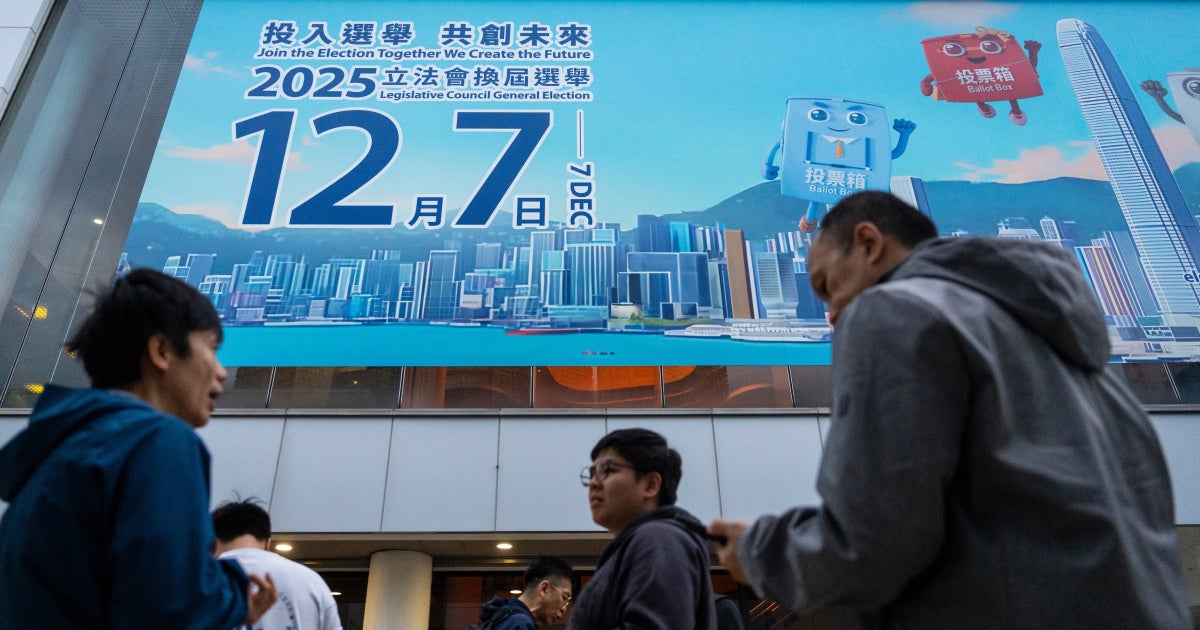
HONG KONG – Hong kong’s recent elections, widely criticized as lacking genuine competition, are unfolding under an increasingly restrictive political climate, with authorities arresting individuals for encouraging abstention and silencing dissenting voices. The tightening grip from Beijing is eroding the city’s once-vibrant political landscape and raising questions about its future as a global hub.
These elections, occurring against a backdrop of curtailed freedoms, underscore a broader trend of diminishing democratic participation in hong Kong following the imposition of a national security law in 2020.The law has been used to suppress opposition figures and limit political expression, fundamentally altering the character of the city’s Legislative Council (LegCo). This shift impacts not only Hong Kong residents but also international perceptions of the city’s autonomy and rule of law, possibly affecting its economic standing.
Authorities have taken action against those challenging the official narrative surrounding the elections.At least eight individuals were arrested for allegedly “inciting” others not to vote, according to reports from Info.gov.hk and Inmediahk.net.In November, a national security judge sentenced a woman to one year in prison for promoting the Hong Kong Parliament, a diaspora-led initiative seeking to establish a democratic legislature outside of mainland China, as reported by The Witness HK and The Guardian.
Despite Beijing’s apparent satisfaction with the LegCo’s efficiency - having approved 130 bills while rejecting only one during its current term,according to Hong Kong Free Press – critics point to a significant decline in public engagement. Public hearings have decreased by 80 percent, signaling a lack of open debate and scrutiny.the single rejected bill would have extended rights to same-sex couples.
the suppression of dissent extends beyond electoral processes.The recent devastating fire in Tai Po, which sparked concerns about potential government negligence, has further highlighted the consequences of limited democratic accountability. Human Rights Watch reports that the tragedy has fueled demands for transparency and accountability, prompting apparent unease within Beijing.
Observers argue that a government unwilling to tolerate open discussion and debate ultimately undermines its own legitimacy. Instead of escalating repression, calls are growing for the Chinese government to restore the openness that once characterized Hong Kong’s dynamic and prosperous society. The future of Hong Kong hinges on a delicate balance between Beijing’s control and the preservation of fundamental freedoms.
