
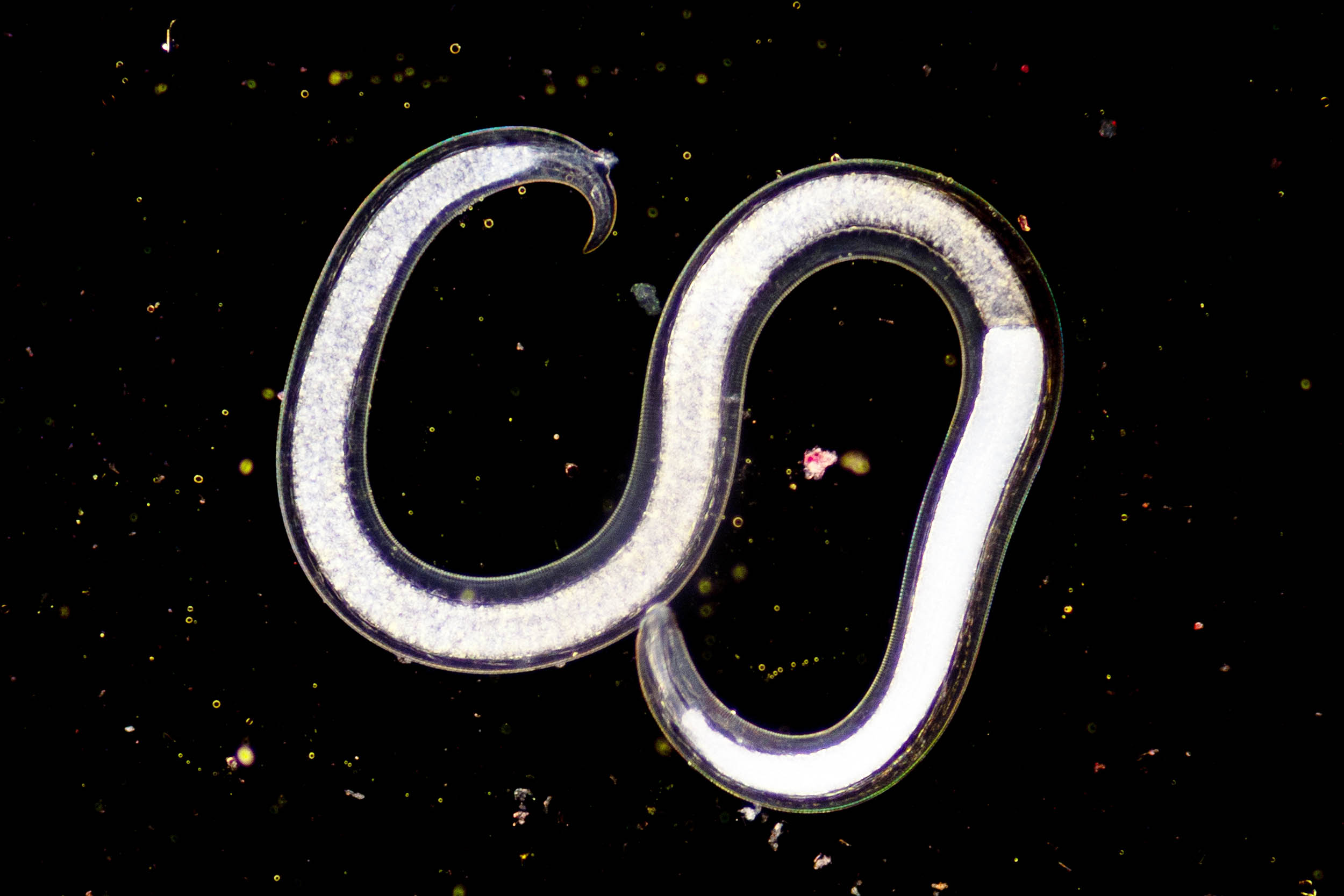
Ancient Worm Revived After 46,000 Years Frozen in Siberian Permafrost
NOVOSIBIRSK, RUSSIA – Scientists have successfully revived a microscopic worm, Panagrolaimus kolymaensis, that had been frozen in the Siberian permafrost for an astonishing 46,000 years. The groundbreaking research, published in PLOS Genetics, demonstrates the remarkable ability of some organisms to enter a suspended state adn survive for geological timescales.
The P. kolymaensis nematodes were collected from permafrost samples near the Kolyma River in northeastern Siberia. Researchers initially revived several generations of these worms, then conducted experiments to understand their remarkable resilience. They found that slowly drying the worms, then freezing them at −80 °C, substantially improved their chances of revival. After 480 days, the dried-then-frozen worms revived and developed normally.
“Our experimental findings also show that Caenorhabditis elegans can remain viable for longer periods in a suspended state than previously documented,” explained Vamshidhar Gade, a doctoral student involved in the research.
The worms’ survival hinges on a process called cryptobiosis, where metabolic activity slows to an undetectable level. During this “pause mode,” the worms protect themselves with trehalose, a sugar, and other molecular adjustments that shield cell parts from damage over extended periods. “our research demonstrates that nematodes have developed mechanisms that allow them to preserve life for geological time periods,” stated Philipp Schiffer, a researcher on the project.
Understanding the mechanisms behind trehalose-based protection and the metabolic planning that precedes it could have significant implications for preserving biological materials. Improved protocols could enhance the storage of cells,tissues for transplant,and research samples,reducing risk and the need for harsh chemicals.The research also suggests new avenues for biobanking, utilizing a priming-then-freezing approach.
The revival of P. kolymaensis also carries implications for the future. as permafrost continues to thaw due to climate change, long-dormant microbes and animals will be released back into modern ecosystems.While most are expected to be harmless, their return introduces ancient genetic variation and survival strategies into present-day communities.
The study highlights a repeatable strategy for long-term viability: reducing activity, converting fats into trehalose, and stabilizing key molecules. This discovery underscores biology’s capacity to “press pause” for far longer than previously imagined.
