
New Delhi Dialog Focuses on Sustainable Food Systems for South Asia
DHAKA, Sept 17, 2025 (BSS) – A high-level regional policy dialogue convened in New Delhi, India, on Tuesday underscored the critical need to strengthen food systems for sustainable progress across South Asia, where a notable portion of the population relies on agriculture and related industries.
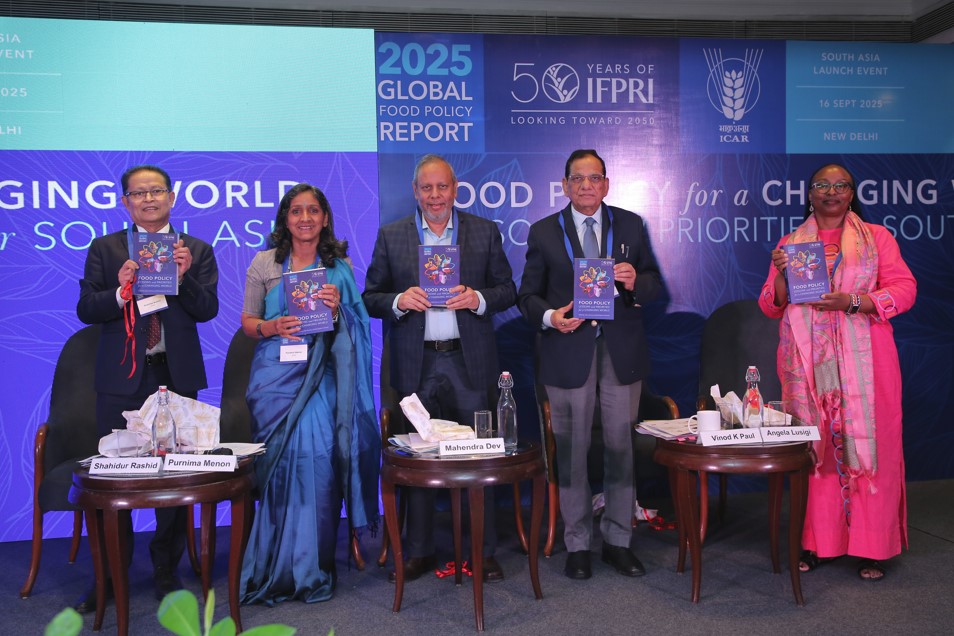
The dialogue, titled “Food Policy for a Changing World: Lessons and Priorities for South Asia,” was organized by the International Food Policy Research Institute (IFPRI) in partnership with the Indian Council of Agricultural Research (ICAR). It brought together senior policymakers, researchers, and development partners to address challenges posed by climate change, malnutrition, and demographic shifts.
Professor S. Mahendra Dev, Chairman of the Economic Advisory council to the Prime Minister of India (EAC-PM), serving as the chief guest, emphasized the importance of maintaining focus on foundational agricultural priorities. “While we are focusing on newer challenges like food systems, habitat, and nutrition, we should not forget that earlier priorities like agriculture growth linkages and rural investments remain critical. Governments and the private sector must work together to reshape food systems that deliver affordable, healthy, and diversified diets,” he stated.
Dr. vinod K. Paul, Member of NITI Aayog, highlighted the importance of preconception health and nutrition for women in combating intergenerational malnutrition. “If we truly want to break the intergenerational cycle of malnutrition, we must act before pregnancy. Preconception health and nutrition for women can reduce growth restriction by up to 25%, and when coupled with later interventions, can cut childhood stunting by nearly half,” Dr. Paul explained.
Dr. Shahidur Rashid, Director of IFPRI-South Asia, noted the significance of this year’s Global Food Policy Report, coinciding with IFPRI’s 50th anniversary. He identified climate change, persistent undernutrition, and the need for more diverse diets as three key challenges demanding urgent attention in the region.
