
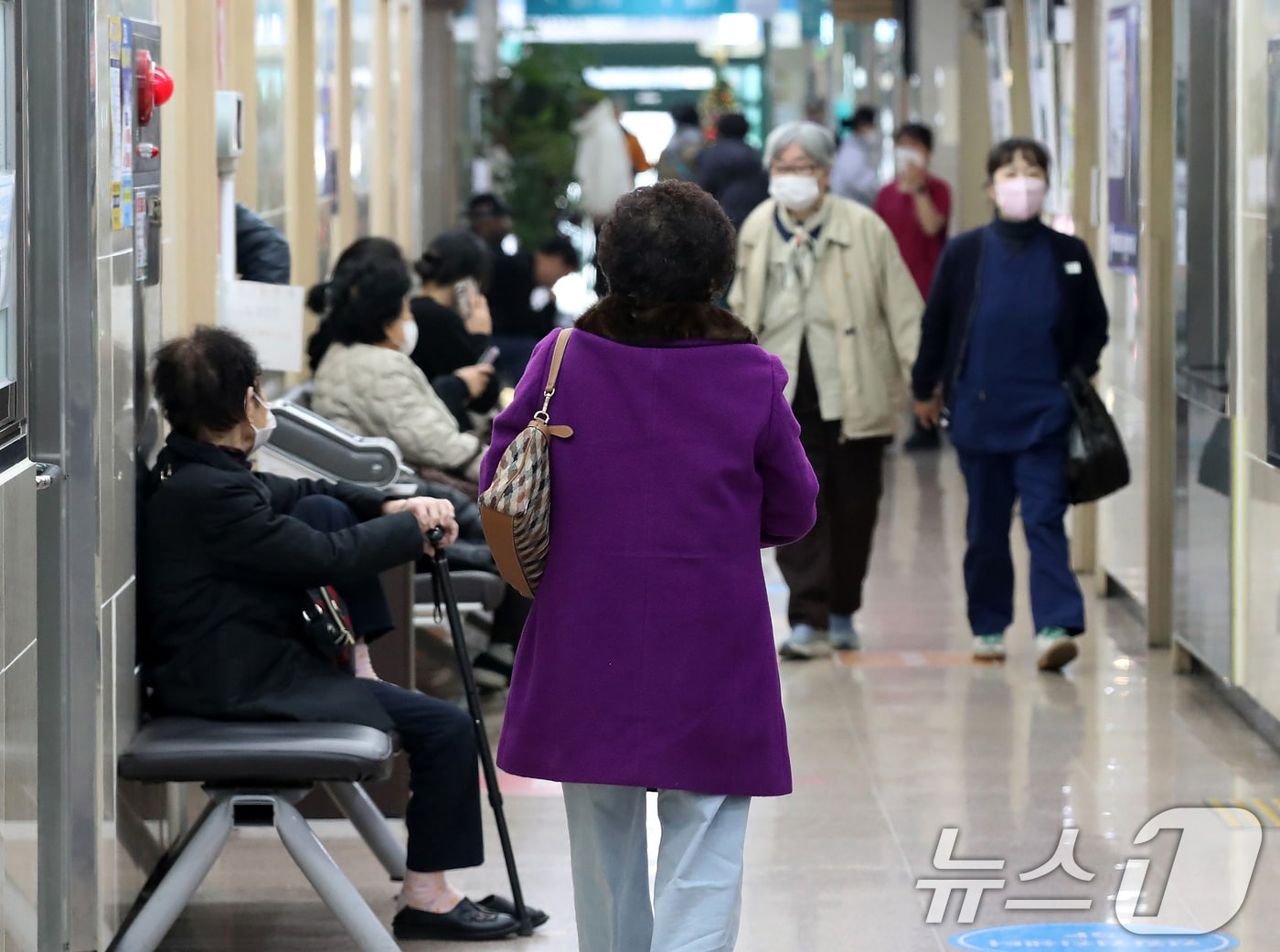
Seoul, South Korea – Influenza cases are surging across South Korea, marking a fifth consecutive week of increases and representing a 14.7-fold jump compared to the same period last year, according to data released by the Korea Disease Control and Prevention Agency (KDCA) on Wednesday. The rapid rise in cases is prompting health officials to urge vaccination as the flu season is expected to continue into April.
The KDCA’s surveillance of 300 clinic-level medical institutions revealed a suspected influenza patient rate of 70.9 as of the week of November 16th to 21st – up from 7.9 in the week of October 12th to 18th. This represents a 6.9% increase from the previous week’s rate of 66.3. While COVID-19 hospitalizations are decreasing, the number of patients hospitalized with viral acute respiratory infections is rising, with influenza accounting for 37.9% of those cases.
Currently, the flu is predominantly affecting children and adolescents. The influenza virus detection rate stands at 45%,consistently increasing for six weeks,with Type A (H3N2) being the most commonly detected strain. Health officials confirm that currently administered vaccines are effective against circulating mutations of the virus.
As of the latest data, 603 patients are hospitalized with influenza, continuing an upward trend. Simultaneously, COVID-19 hospitalizations are declining for the fourth consecutive week, with 135 patients currently hospitalized – down from 201 in the 44th week.
The total number of patients hospitalized with viral acute respiratory infection reached 1,591, a slight increase from the previous week’s 1,574, and significantly higher than the 972 recorded during the same period last year. Rhinovirus infections account for 24.7% of these cases, followed by respiratory syncytial virus at 13.3%.
The KDCA anticipates the flu season will persist until April 2024 and recommends immediate vaccination.the government is currently offering national influenza vaccinations to individuals over 65, pregnant women, and children aged between 6 months and 13 years. Health authorities suggest this year’s influenza epidemic could be comparable in scale to last year’s, which was the most severe in a decade.
