
Europe Warns All Satellites at Risk After Simulating ‘Carrington-Level’ Solar Storm
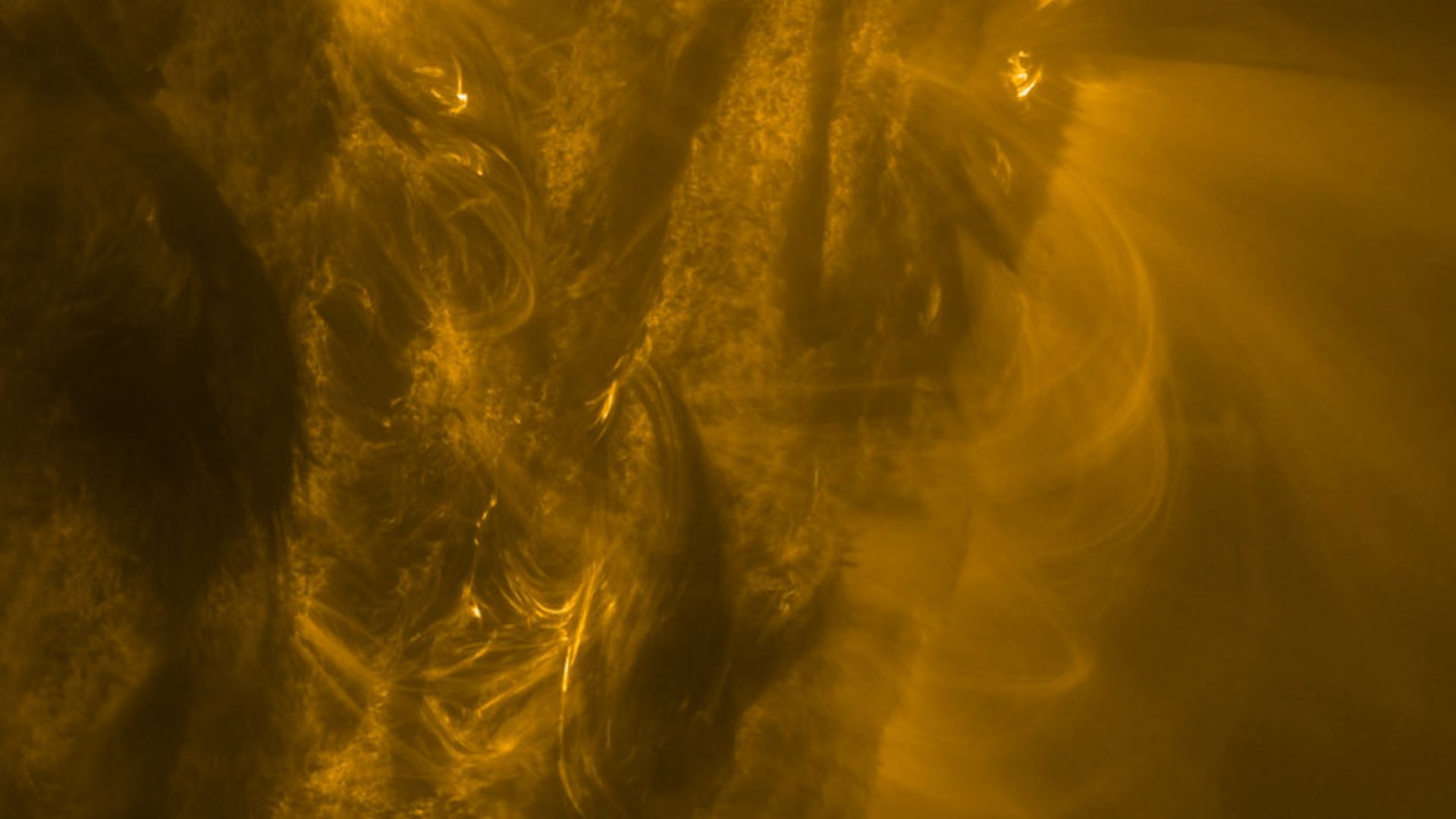
Darmstadt, Germany – A recent simulation conducted by the european Space Agency (ESA) revealed the perhaps catastrophic impact of an extreme solar storm, concluding that no spacecraft would be safe from its effects. The exercise, designed to prepare for inevitable severe space weather events, demonstrated how a storm mirroring the intensity of the 1859 Carrington Event could cripple satellites, disrupt ground infrastructure, and trigger widespread technological failures.
The simulation began with a series of smaller solar flares causing issues with satellite operations, including triggering false readings, data corruption, and potential hardware damage. Approximately 15 hours later, a coronal mass ejection (CME) impacted Earth’s magnetic field, causing the upper atmosphere to swell and increase drag on satellites by up to 400%. This dramatic increase in drag forced satellites off their predicted orbits, significantly raising the risk of collisions and shortening their operational lifespan.
On the ground,the simulated storm threatened to overload power grids and pipelines with geomagnetic energy. ESA mission controllers were forced to respond in real-time, providing valuable insights into planning and reacting to such an event.
“The immense flow of energy ejected by the sun may cause damage to all our satellites in orbit,” stated Jorge Amaya, Space weather Modelling Coordinator at ESA. “Satellites in low-Earth orbit are typically better protected by our atmosphere and our magnetic field from space hazards, but an explosion of the magnitude of the Carrington event would leave no spacecraft safe.”
The simulation highlighted a cascading effect, potentially leading to satellite failures, degraded navigation systems, and loss of critical communications. ESA scientists emphasize that a severe solar storm is not a matter of if, but when.
“The key takeaway is that it’s not a question of if this will happen but when,” saeid Gustavo Baldo Carvalho, Lead Simulation Officer of sentinel-1D.
To mitigate the risks, ESA is expanding its space weather monitoring network and preparing for the 2031 launch of the Vigil mission. This new spacecraft will be positioned at the sun-Earth L5 point to provide earlier warnings of incoming solar eruptions, aiming to ensure rapid recovery for both spacecraft and ground infrastructure.
