
ESA Delivers Orion Service Module for Artemis 4 Amidst NASA Budget Uncertainty
The European Space Agency (ESA) has shipped the fourth Orion service module to NASA, crucial for the Artemis 4 mission slated for 2028. The delivery comes as NASA faces potential budget cuts proposed by the Trump administration, which threatened funding for collaborative projects like this one.
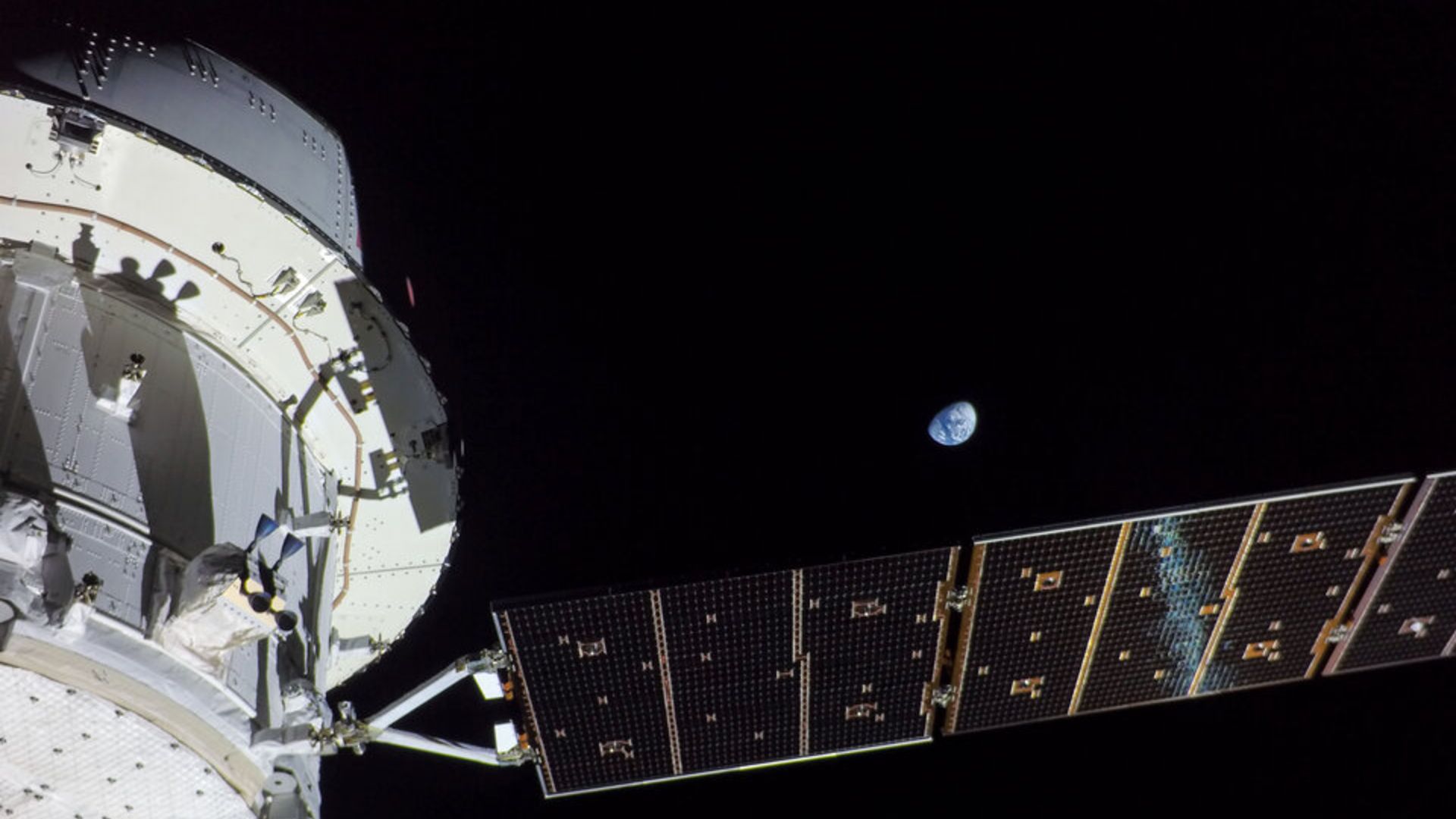
The €330 million (approximately $355 million) contract covers the production of service modules for Artemis missions 4, 5, and 6. These modules are essential components of the Orion spacecraft, providing propulsion, electrical power, and life support systems for journeys to and from the Moon.
ESA builds the service modules under a barter agreement with NASA, exchanging the technology for guaranteed seats on launch vehicles for European astronauts traveling to the International Space Station. ESA has already delivered three service modules, with the first successfully powering the uncrewed Artemis 1 test mission in December 2022.Artemis 2,planned for April of next year,will carry the first human crew to lunar orbit as the Apollo program. Artemis 3, anticipated in 2027, will utilize the Starship HLS lander for a crewed lunar landing.
Artemis 4, with the newly delivered service module, is expected to launch in 2028 and will include a crew tasked with another lunar landing. The mission will also deliver the Lunar I-Hab,a habitation module for the planned Lunar Gateway space station,to lunar orbit.
“[The European Service Module 4] will play a key role as the Artemis 4 mission is due to deliver the International Habitation Module (Lunar I-Hab) of the Lunar Gateway space station,” stated Daniel Neuenschwander, ESA’s Director of Human and Robotic Exploration. “This state-of-the-art hardware, developed by Airbus Defence and Space and its subcontractors across Europe, demonstrates our ability to contribute to major international partnerships.”
The delivery occurs against a backdrop of budgetary concerns. The proposed Trump administration budget for NASA, widely criticized as the smallest since 1961, included important cuts and cancellations to space and Earth science missions. This put additional ESA projects in collaboration with NASA, such as the Venus explorer Envision and the gravitational wave space detector LISA, at risk.
Though, the Trump budget is currently facing opposition in Congress, with lawmakers reportedly working on a counter-proposal to restore funding. together, reports suggest NASA leadership is actively pursuing reforms, job cuts, and project cancellations to align with the administration’s vision, even before a final budget is approved.
