
The Cost of a Question: Cuba’s Response to a Citizen’s Plea
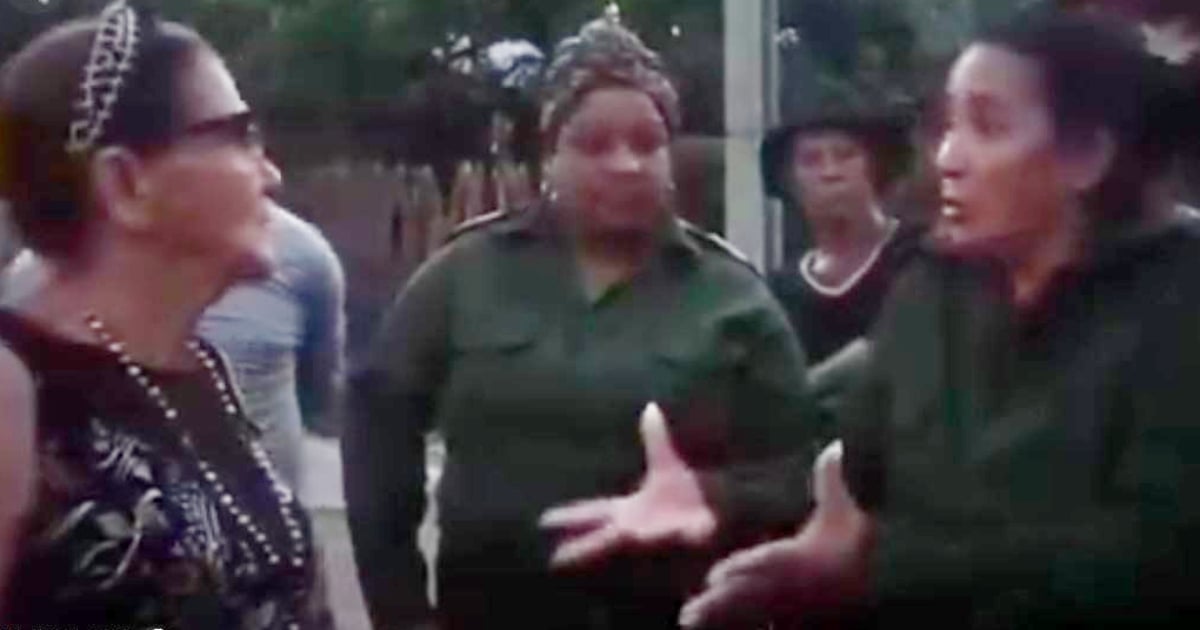
recent events in Cuba highlight a troubling pattern of state response to citizen dissent, exemplified by the case of Francisca, an elderly woman who publicly questioned President miguel Díaz-Canel regarding access to basic necessities. Francisca initially voiced her concern about the lack of a bed in her home during a public appearance by the President. Following this interaction, a video surfaced showing the original video alleging media manipulation, featuring Francisca offering a seemingly contrite statement.
The subsequent presentation of francisca alongside a local communist Party official in Granma province has drawn criticism, with observers noting the stark contrast between her initial directness and the carefully constructed image of repentance now being circulated. This event underscores a concerning trend: the Cuban government’s deployment of forced retractions following public displays of discontent.
Francisca’s case is not isolated. just weeks prior, Mayelín Carrasco Álvarez, a mother detained after protesting in Río Cauto, also appeared in a video expressing “repentance” for her actions. Similarly, in October, pediatrician Erlis Sierra Gómez was compelled to read a regret script in front of a camera after his arrest for participating in a peaceful demonstration in Baire.
These instances reveal a consistent methodology. Following a display of dissent, the government seeks to publicly discredit the individual through a recorded “confession” or expression of gratitude, often filmed under duress. This process aims to dismantle public solidarity and reinforce obedience, transforming the individual from a rights-bearing citizen into a cautionary example.
Analysis of Francisca’s video suggests a lack of genuine sentiment. Her tone and phrasing, coupled with the context of the presentation – including the presence of a political authority – raise concerns about coercion rather than sincere conviction. The staging appears designed not to address the original issue of inadequate housing, but to neutralize the symbolic impact of the President’s response.
The situation highlights a fundamental difference between democratic governance and the Cuban system. In a democracy, a citizen’s complaint about basic needs would warrant respectful attention and swift action. In Cuba, such a claim is framed as an ideological challenge. The government prioritizes maintaining control over addressing legitimate grievances,responding to dissent with attempts at ideological correction.
The message conveyed through these orchestrated displays is clear: questioning authority carries consequences. While the regime may attempt to control the narrative through propaganda and carefully curated videos, the initial act of courage – Francisca’s direct appeal to the President – remains a powerful symbol of citizen resistance. Despite efforts to rewrite the narrative, the image of an elderly woman demanding a basic necessity continues to resonate as a testament to the courage required to speak truth to power in Cuba.
