
Solar Farm in China Creates unexpected Oasis in the Desert
QINGHAI PROVINCE, CHINA – A large-scale solar energy project in China’s Qinghai province isn’t just generating electricity; it’s unexpectedly fostering a thriving microclimate and boosting biodiversity in a previously harsh desert habitat, according to a new study.The findings suggest large solar installations, when strategically implemented, could become tools for ecological restoration in arid regions.
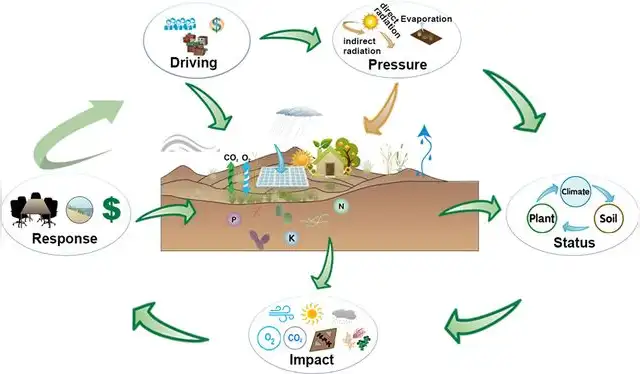
Driven by a need to increase electricity generation, the solar park – details of which were recently published by Nature – has yielded surprising environmental benefits. Researchers analyzed 57 environmental indicators, ranging from soil temperature to plant density, and found the area under the solar panels scored 0.4393, categorized as “moderate.” In contrast, adjacent and external areas registered significantly lower scores of 0.2858 and 0.2802, respectively, classified as ”poor.” This indicates a demonstrable improvement in ecosystem health within the solar park’s boundaries.
The key to this change lies in the panels themselves. They create a constant shadow,reducing daytime soil temperature and extending humidity levels. This combination allows flora and microorganisms to flourish in an environment previously considered inhospitable. Periodic cleaning of the solar modules further contributes to increased soil and air humidity, establishing a more stable microclimate.
Scientists identified three key areas of positive impact:
* Microclimate: Lower atmospheric pressure and increased relative humidity.
* Soil: Improvement in physical and chemical properties, including greater water retention.
* Biodiversity: An increase in the variety of plants and microorganisms.
The study explains that the panels alter the radiation balance between the ground and the atmosphere, blocking the emission of long waves and reducing heat loss. While these effects are localized, researchers believe they have a cumulative impact with potential for broader application in other arid landscapes.
Looking ahead, researchers emphasize the importance of long-term monitoring of these facilities to ensure the observed benefits outweigh any potential secondary impacts. The success of the Qinghai project demonstrates the potential to replicate this model in other arid regions globally, positioning solar energy not just as a clean energy source, but as an ally in environmental restoration.
“The challenge is to balance energy use with ecological preservation,” researchers state. As global demand for clean energy continues to rise, understanding the environmental effects of large-scale infrastructure will be crucial in determining where and how to expand solar energy without compromising fragile ecosystems.
