Tiger Woods Charged With DUI After Florida Car Crash
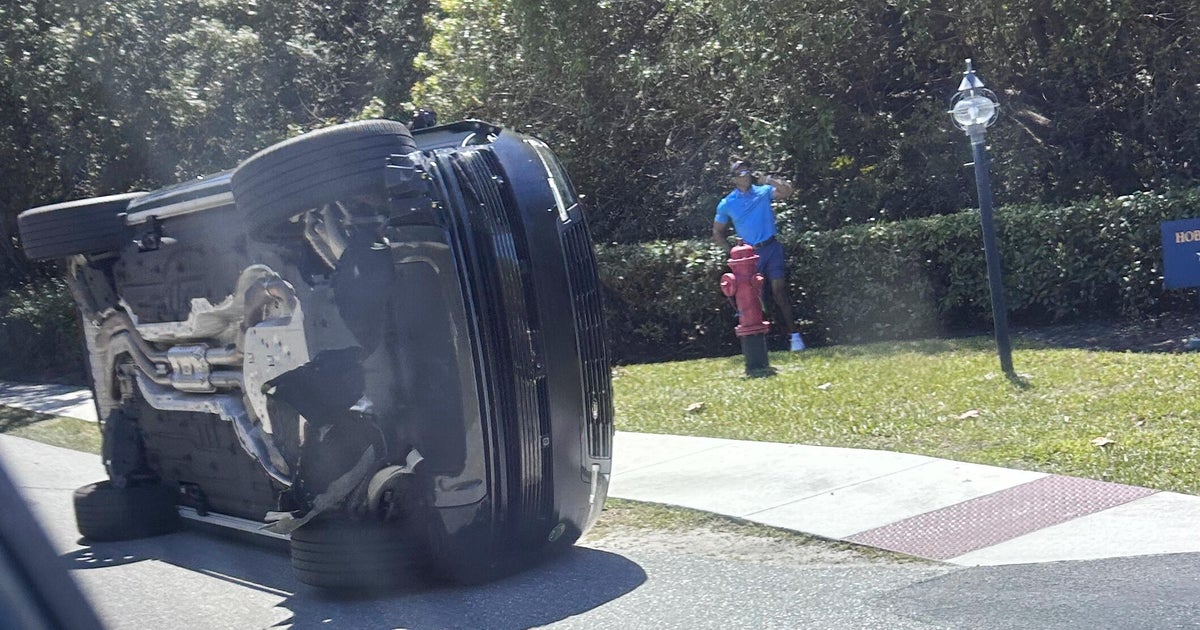
Golf legend Tiger Woods faces DUI charges following a single-vehicle rollover crash in Jupiter, Florida, on March 27, 2026. Authorities report Woods showed signs of impairment unrelated to alcohol, potentially involving medication. The incident threatens significant brand equity and endorsement stability just ahead of the Masters tournament, triggering immediate crisis management protocols.
The Brand Equity Crash
When a global icon swerves off the road, the wreckage isn’t limited to sheet metal. In the high-stakes ecosystem of sports entertainment, a DUI charge represents a catastrophic liability event. Woods, currently weighing participation in the upcoming Masters following seventh back surgery and a ruptured Achilles in 2025, now faces a reputational crisis that dwarfs the physical damage to his Land Rover. The Martin County Sheriff’s Office confirmed Woods blew “triple zeroes” on a Breathalyzer but exhibited impairment consistent with medication rather than alcohol. This distinction matters little to the court of public opinion, where nuance often dies before the morning news cycle.
The timing could not be more precarious. Woods recently participated in a match at the SoFi Center in Palm Beach Gardens, signaling a tentative return to competitive form. Now, sponsors and tournament organizers must calculate the risk of association. Unlike the structured corporate leadership unveiled by Dana Walden at Disney Entertainment, where succession plans and leadership teams span film, TV and games to ensure stability, individual athlete brands rely on fragile personal conduct clauses. When a high-profile figure encounters legal trouble, the ripple effect destabilizes the entire commercial apparatus built around their image.
Standard reputation management fails here. The studio’s immediate move is to deploy elite crisis communication firms and reputation managers to stop the bleeding. This isn’t about issuing a press release; it’s about controlling the narrative arc before it hardens into public perception. The problem lies in the volatility of individual talent versus institutional IP. Disney can shuffle executives like Debra OConnell to Chairman without halting production, but Woods is the IP. His impairment is the product defect.
Legal Precedents and Liability
This incident marks a disturbing echo of Woods’ 2017 DUI arrest and the severe 2021 rollover in Los Angeles. In 2021, authorities determined the primary cause was driving at a speed unsafe for road conditions. Today, the charges include DUI, property damage, and refusal to submit to a lawful test. Refusal carries its own weight in Florida statutes, often triggering automatic administrative penalties regardless of the criminal outcome. The legal complexity requires specialized navigation beyond standard criminal defense.
Entertainment law firms specializing in talent liability understand that the criminal case is only half the battle. The real exposure lies in contract law. Endorsement deals typically contain morality clauses that allow partners to terminate agreements upon arrest or conduct detrimental to the brand. Navigating this requires intellectual property and contract attorneys who understand the intersection of criminal law and commercial viability. A conviction could freeze assets or trigger clawbacks on signing bonuses.
“In the current climate, a DUI charge isn’t just a legal hurdle; it’s a valuation event. We witness brand equity drop 15 to 20 percent overnight for Tier-1 talent. The mitigation strategy must be legal and communicative simultaneously.” — Senior Partner, Entertainment Law Group
The Sheriff’s report notes Woods was jailed for eight hours per Florida statute before release on bail. While no drugs were found in the vehicle, experts on the scene suspected medication. This ambiguity fuels speculation. In the absence of confirmed toxicology, the media vacuum fills with assumptions. Managing this information gap is critical. Leaks to tabloids must be stifled while cooperating with law enforcement to avoid obstruction charges. It is a delicate dance between transparency and self-incrimination.
The PR Playbook for Fallen Icons
Recovery from this incident depends on the classification of the talent. According to the Lightcast Occupation Taxonomy, a Media or Talent Director directs and coordinates activities of personnel in radio, television, or performance settings. However, when the talent is the brand, the coordination shifts to damage control. The industry needs professionals who understand how to categorize and manage entertainment occupations during scandals. The goal is to reclassify the incident from a character flaw to a medical anomaly, provided the evidence supports it.

Strategic silence is often louder than denial. Woods’ team must coordinate with top-tier talent agencies to pause public appearances without signaling guilt. The 2021 crash required extensive physical rehabilitation; this incident requires reputational rehabilitation. The Masters organizers face their own dilemma. Inviting a charged defendant risks broadcaster backlash, yet excluding a legend impacts viewership metrics. This logistical leviathan requires production partners who can pivot marketing assets instantly.
“We advise clients to treat legal proceedings and public statements as separate silos. What helps you in court often hurts you in the press. The directory of available crisis professionals must be vetted for both legal acumen and media fluency.”
Comparing this to corporate structures highlights the vulnerability. When Dana Walden unveiled her Disney Entertainment leadership team, it spanned film, TV, streaming, and games, creating a diversified risk portfolio. Woods has no such diversification. He is a single-point failure system. The industry response will determine whether he remains a viable commercial entity or becomes a cautionary tale. The history of vehicular incidents complicates the narrative, suggesting a pattern rather than an anomaly.
Future Viability: Masters and TGL
As the summer box office cools and attention shifts to spring sports, the Masters remains the immediate horizon. Woods’ participation was already uncertain due to his September 2025 back surgery. This legal entanglement may force a withdrawal regardless of physical capability. The TGL match in Palm Beach Gardens recently demonstrated his drawing power, but that equity is now depreciated. Broadcasters will scrutinize insurance policies. If Woods cannot be cleared by tournament officials, the financial fallout extends to ticket sales and sponsorship activations.
The path forward requires a coalition of specialists. From the initial arrest to the eventual return, every step must be choreographed. The industry relies on a network of luxury hospitality sectors and event security vendors who manage the physical logistics of talent movement. Ensuring safe transport and secure environments prevents recurrence. The problem is not just the crash; it is the prevention of the next one. Solutions lie in rigorous management protocols and verified professional support systems.
Woods stands at a crossroads familiar to many in the entertainment occupation unit groups. The distinction between artistic director and media producer blurs when the artist is the product. Recovery is possible, but it demands a ruthless assessment of brand viability. The directory exists to connect these fractured needs with vetted solutions. Whether through legal defense, PR rehabilitation, or logistical restructuring, the industry moves forward by solving the problems that fame creates. The next move determines the legacy.
Disclaimer: The views and cultural analyses presented in this article are for informational and entertainment purposes only. Information regarding legal disputes or financial data is based on available public records.