Thromboinflammation in COVID-19: Contrasting Phenotypes of Thrombotic Microangiopathy and Arterial Thrombosis
Venous thromboembolism and arterial thrombosis during acute severe acute respiratory syndrome coronavirus 2 infections emerge not from a singular viral vasculopathy, but from distinct host susceptibilities colliding with systemic thromboinflammation, according to a comparative case analysis.
-
Key Clinical Takeaways:
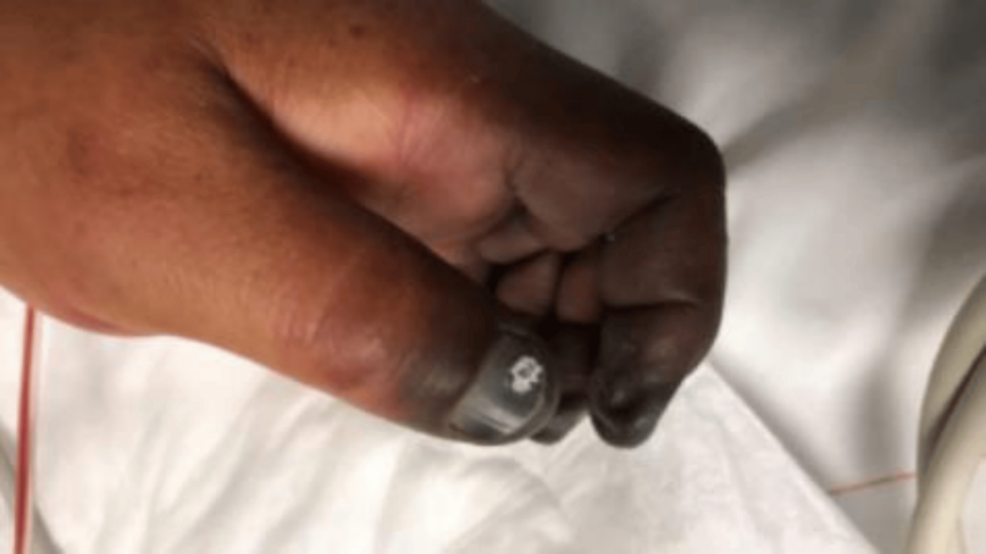
- A 35-year-old postpartum woman developed acquired thrombotic thrombocytopenic purpura during severe COVID-19 infection, requiring therapeutic plasma exchange and ultimately suffering digital amputation due to distal ischemic injury.
- A 61-year-old male smoker with a suspicious pulmonary malignancy developed acute right femoral artery thrombosis during COVID-19 pneumonia, necessitating emergency thromboembolectomy.
- Clinical researchers emphasize that severe systemic inflammation yields diverse thrombotic phenotypes—ranging from microangiopathy to large-vessel occlusion—predominantly driven by underlying host vulnerability rather than a unique virus-specific mechanism.
Contrasting Microvascular and Arterial Presentations During SARS-CoV-2 Infection
The global health crisis prompted unprecedented documentation of vascular complications among hospitalized patients. While early clinical investigations frequently attributed these events to direct endothelial injury caused by viral binding via angiotensin-converting enzyme 2 receptors, cumulative evidence points instead toward a broader immunothrombotic state. This mechanism involves innate immune pathway activation, cytokine release, neutrophil extracellular trap formation, and complement pathways. Yet, the resulting vascular manifestations diverge sharply between patients.
In the first documented case, a 35-year-old previously healthy woman three months postpartum developed fatigue, malaise, and acute kidney injury before testing positive for SARS-CoV-2. Admitted to the intensive care unit with a Glasgow Coma Scale score of 12, she exhibited cyanosis and necrotic changes across all four extremities. Laboratory evaluations confirmed severe thrombocytopenia with a platelet count of 27 × 10⁹/L, microangiopathic hemolytic anemia with a hemoglobin level of 7.1 g/dL, elevated lactate dehydrogenase at 1081 U/L, and schistocytes. Despite normal coagulation profiles, her presentation raised strong suspicion for acquired thrombotic thrombocytopenic purpura. ADAMTS13 activity returned below 20 percent, confirming the diagnosis. Clinicians initiated daily therapeutic plasma exchange for five consecutive days. Although her hematological parameters normalized and her renal function recovered, irreversible distal ischemic injury necessitated digital amputation.
Divergent Host Susceptibility Versus Direct Viral Vasculopathy
Contrasting directly with the microvascular profile of the postpartum patient, the second case involved a 61-year-old man with a heavy smoking history and a radiologically suspicious left upper lung opacity. He developed acute right femoral artery thrombosis during his course of severe COVID-19 pneumonia. Emergency thromboembolectomy successfully restored perfusion.
These two diverging clinical courses illustrate that a uniform inflammatory trigger can produce diametrically opposed vascular events. The postpartum state in the first patient served as a profound host susceptibility factor for thrombotic microangiopathy, whereas the heavy smoking history and underlying pulmonary malignancy in the second patient predisposed to large-vessel arterial occlusion. Scientific presentations at the 18th Annual Congress of the Turkish Society of Medical and Surgical Intensive Care Medicine and the 19th Annual Congress of the Society of Turkish Intensivists further highlighted these heterogeneous phenotypes. Medical specialists observing these events conclude that the varied presentations reflect individual patient vulnerabilities interacting with systemic inflammation rather than a distinct, virus-specific vasculopathy.
Disclaimer: The information provided in this article is for educational and scientific communication purposes only and does not constitute medical advice. Always consult with a qualified healthcare provider regarding any medical condition, diagnosis, or treatment plan.