
Protecting Immigrant Students in a Time of Uncertainty
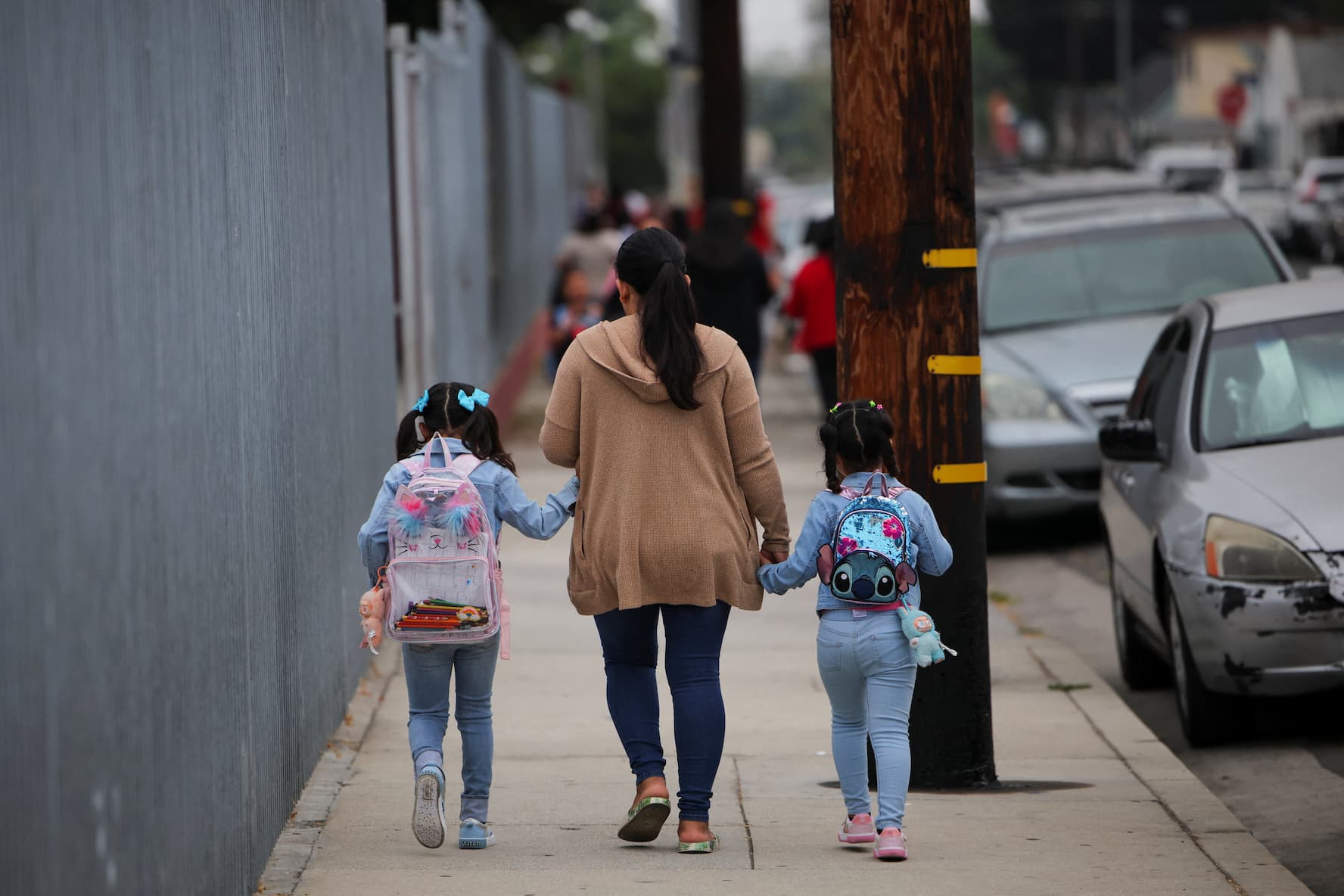
Schools are facing a critical challenge: keeping immigrant students and their families safe during a period of heightened anxiety and shifting policies. Educators are not only managing their customary roles but are also navigating a complex landscape impacting immigrant youth.
Research consistently demonstrates that immigrant youth’s sense of belonging is deeply affected by experiences of racialization and exclusion. Many hispanic students, English Learners, and children with foreign-born parents report feeling discriminated against when accessing essential services and fearing immigration enforcement in their communities. This climate of fear is directly linked to declining student attendance.
Historically, schools have served as safe havens and vital resource centers for immigrant families, fostering community and support.Studies highlight the benefits of diverse school environments, showing that interaction between immigrant and non-immigrant students improves academic performance and engagement for all. However, these safe spaces are increasingly under threat.
How Schools and Communities Can Help
As immigrant youth - including U.S.-born children with immigrant parents – experience increased vulnerability, schools and districts are stepping up to strengthen safety plans, expand protections, and maintain welcoming environments.Some are actively advocating against anti-immigrant rhetoric and pursuing legal action to defend their students’ rights.
The extent of support schools can offer varies depending on local resources and leadership.Though, key steps include:
Educating Staff: Ensuring teachers and administrators understand the policies impacting immigrant youth and families is paramount.
Strengthening Family Partnerships: Building strong, trusting relationships with families and community organizations is crucial.
* Building Coalitions: Collaborating with policy and legal advocates through partnerships with community-based organizations amplifies support and resources.
By prioritizing awareness,connection,and advocacy,schools can continue to be beacons of safety and opportunity for all students,even during these challenging times.
