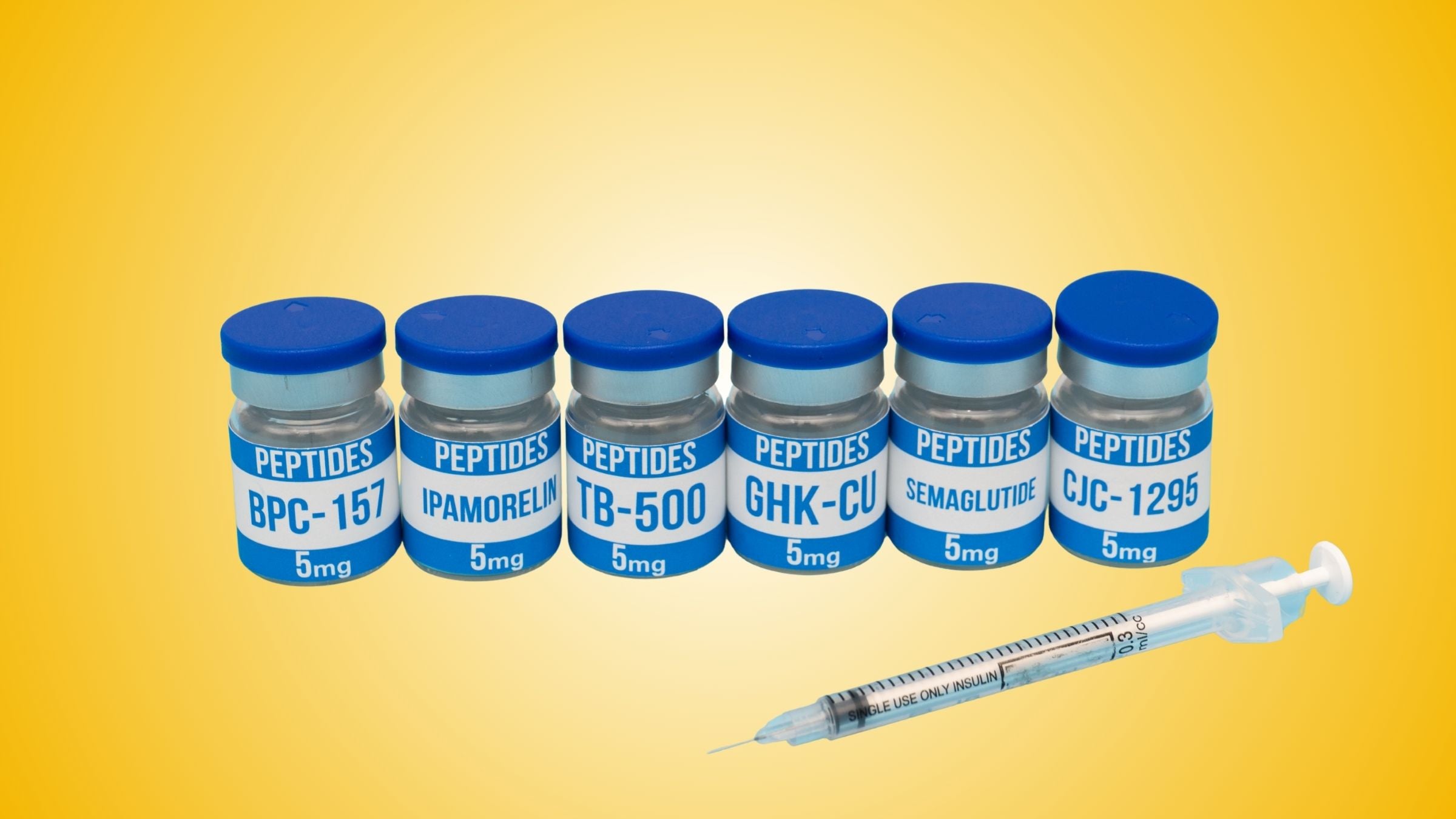
The Wolverine Stack: Are Recovery Peptides Safe for Cyclists?
As popular media drives a surge of interest in peptides, a July advisory panel vote by the U.S. Food and Drug Administration (FDA) to recommend loosening restrictions on six popular peptides has brought experimental compounds like BPC-157 and TB-500 into sharp focus. While everyday athletes and biohackers pursue the so-called “Wolverine Stack” for rapid muscle recovery and injury prevention, medical pharmacologists warn that these substances remain largely unproven in human clinical trials and carry unknown long-term risks.
- The U.S. Food and Drug Administration (FDA) advisory panel voted in July to recommend loosening restrictions on six popular peptides, potentially easing prescription access in the United States.
- Widely discussed experimental compounds like BPC-157 and TB-500—often referred to as the “Wolverine Stack”—lack rigorous human clinical trial data, leaving long-term impacts and cancer risks unproven.
- While regulated exogenous peptides such as insulin and GLP-1 receptor agonists (Ozempic, Wegovy, Mounjaro) possess established safety profiles, unregulated grey-market suppliers frequently market experimental peptides under the label “for research purposes only.”
The Regulatory Shift and Grey-Market Access
Health Secretary Robert F. Kennedy Jr., who publicly stated he is a “big fan” of peptides. This groundswell is now pushing certain compounds toward regulatory reclassification, moving them closer to standard medical prescription slips. In July, an FDA advisory panel controversially voted against expert advice to recommend easing restrictions on six popular peptides. If finalized, this decision would make obtaining these substances significantly easier for consumers in the United States via a standard prescription.
Outside of official prescription channels, however, consumers can easily acquire untested and unregulated peptides online. Unlicensed grey-market suppliers routinely bypass legal oversight by selling these compounds labeled strictly “for research purposes only.” Pharmacology insiders warn that even if official approvals proceed, green-lit drugs risk incorrect synthesis and an influx of products from dubious unsanctioned manufacturers.
Understanding Exogenous Peptides Versus Experimental Compounds
Peptides are naturally occurring short chains of amino acids, differing from proteins only by the length of their amino acid chains. The human body relies on essential natural peptides, such as insulin for blood glucose regulation and oxytocin during childbirth. Synthetically produced peptides also form the basis of globally prescribed medications. Widely recognized diabetes and weight loss therapies—specifically GLP-1 receptor agonists like Ozempic, Wegovy, and Mounjaro—represent thoroughly studied, FDA-approved exogenous peptides with proven safety profiles.
In stark contrast, compounds like BPC-157 and TB-500 occupy an experimental category without comparable regulatory validation. Although professional athletes face strict prohibitions under the World Anti-Doping Agency (WADA), which banned peptides in 2022, amateur fitness enthusiasts remain drawn to the promise of accelerated healing for bone stress and tendon injuries. Researchers emphasize that these recovery claims lack strong backing from human clinical trials, leaving clinicians with significant concerns regarding self-injection practices and potential oncological risks.
Clinical Considerations and Safety Guidance
Managing the complexities of peptide therapies requires careful clinical evaluation and an understanding of the pharmacological boundaries between approved therapeutics and unvetted compounds. Patients considering any form of hormone or amino-acid-based intervention must consult with qualified medical professionals to review potential contraindications and avoid unregulated supply chains.