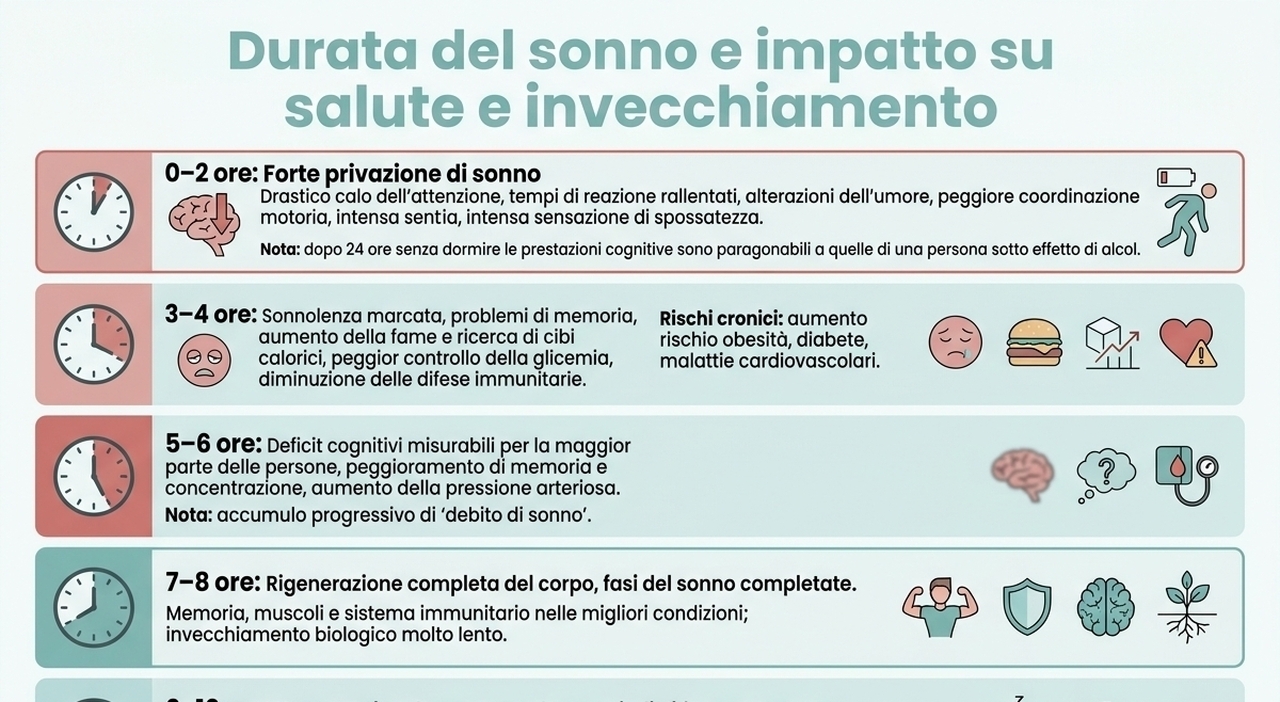
The Science Behind Sleep: Debunking the Myth of 8 Hours
How Sleep Duration Affects Brain Aging: New Study Challenges 8-Hour Myth
According to a longitudinal study published in Neurology on June 7, 2026, both insufficient and excessive sleep correlate with accelerated brain aging markers, challenging the long-standing recommendation of 8 hours of sleep per night. The research, funded by the European Research Council (ERC), analyzed data from 12,437 participants aged 40–75 across six countries.
- Both short (<6 hours) and long (>9 hours) sleep durations linked to increased brain atrophy markers.
- Optimal sleep duration varies by individual, with 7–8 hours showing the lowest risk of neurodegenerative biomarkers.
- Chronic sleep disruption may accelerate cognitive decline, emphasizing the need for personalized sleep assessments.
Methodology and Clinical Implications
The study utilized MRI scans and cognitive performance tests to evaluate brain structure and function. Researchers identified that individuals consistently sleeping less than six hours exhibited greater hippocampal volume loss compared to those sleeping 7–8 hours. Conversely, participants reporting more than nine hours of sleep showed increased white matter hyperintensities, a marker for cerebrovascular risk.

Dr. Elena Marchetti, lead researcher at the Max Planck Institute for Aging Research, stated, “Our findings suggest sleep duration is a modifiable risk factor for brain aging, but the optimal threshold varies across individuals. This challenges the one-size-fits-all approach to sleep recommendations.”
Epidemiological Context and Biological Mechanisms
Previous meta-analyses, including a 2023 JAMA Neurology review, have shown similar associations between sleep duration and neurodegenerative risk. However, this study adds granular data on specific brain regions. The research team noted that sleep deprivation disrupts glymphatic system function, impairing clearance of beta-amyloid proteins, while excessive sleep may reflect underlying pathophysiology such as depression or chronic fatigue syndrome.
Dr. Rajiv Patel, a neurologist at the University of Cambridge, explained, “The body’s circadian rhythm regulates repair processes during sleep. Disruptions in this cycle, whether through voluntary restriction or pathological oversleeping, may accelerate cellular senescence in the brain.”
Funding Transparency and Peer-Reviewed Validation
The study received €4.2 million in ERC funding and was peer-reviewed by the Journal of the American Medical Association (JAMA). Researchers acknowledged limitations, including self-reported sleep data and potential confounding variables like medication use. However, the large sample size and multi-center design strengthen its validity.
Directory Bridge: Clinical Triage for Sleep Disorders
Patients experiencing sleep-related cognitive concerns should consult neurologists specializing in sleep medicine. [Relevant Clinic/Professional/Service] offers advanced polysomnography and cognitive assessment protocols. For healthcare providers, [Relevant Diagnostic Center] provides standardized sleep analysis tools to integrate into clinical workflows.
Public Health Policy Implications
The findings align with the World Health Organization’s (WHO) 2025 report on non-communicable diseases, which emphasizes sleep hygiene as a modifiable risk factor. Public health campaigns may need to shift from rigid sleep duration guidelines to personalized risk stratification. [Relevant Healthcare Compliance Attorney] advises clinics to update patient education materials to reflect this nuanced understanding.

Future Research Directions
Researchers plan to validate these findings in diverse populations, including younger adults and those with sleep disorders. The study’s authors are collaborating with [Relevant Biotech Company] to develop wearable devices that monitor sleep efficiency and brain health biomarkers in real time.
Editorial Kicker
As sleep science evolves, healthcare providers must balance evidence-based guidelines with individualized care. Patients seeking personalized sleep assessments should connect with [Relevant Specialty Clinic] to explore advanced diagnostic options.
Disclaimer: The information provided in this article is for educational and scientific communication purposes only and does not constitute medical advice. Always consult with a qualified healthcare provider regarding any medical condition, diagnosis, or treatment plan.