
International Travel Advisory: Common Cold Medicines May Cause Border Issues
Many Over-the-Counter Drugs Face Strict Global Regulations
Packing familiar over-the-counter medications for international travel could lead to unexpected complications at customs, as drug laws vary significantly worldwide. What’s a common remedy at home might be prohibited or heavily regulated abroad.
Hidden Dangers in Your Medicine Cabinet
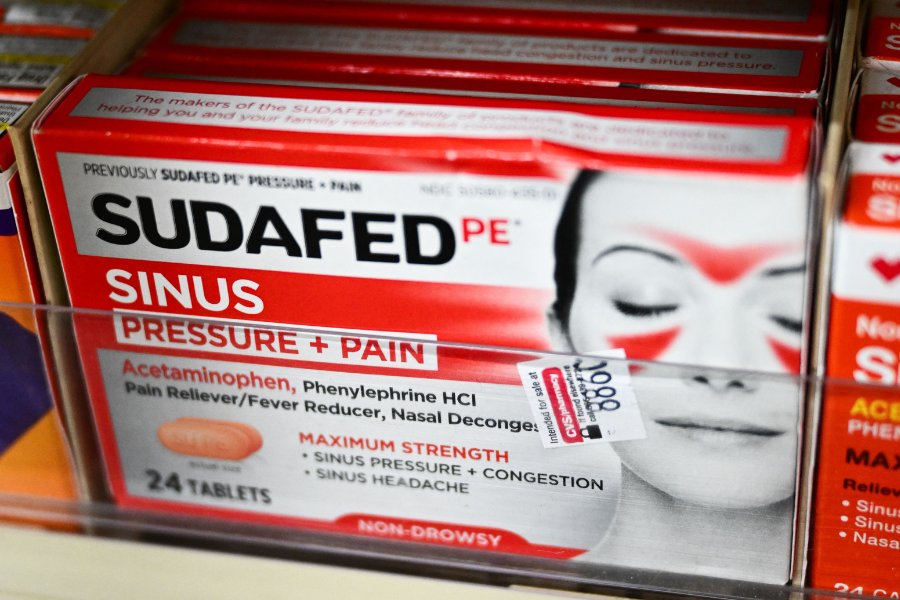
U.S. travel staples such as Sudafed and Benadryl, commonly used for cold and allergy relief, are banned or strictly controlled in numerous countries. Travelers may encounter issues ranging from confiscation to detention if they fail to prepare for these international discrepancies.
Key Medications to Scrutinize
The decongestant pseudoephedrine, the active ingredient in Sudafed, is prohibited in destinations like Japan and Mexico. Similarly, medications containing codeine, a frequent component in cough suppressants and pain relievers, are considered controlled substances in countries including the UAE, Japan, Greece, and Indonesia.
Even the antihistamine diphenhydramine, widely known as Benadryl, can cause problems at customs in countries like Japan and Zambia, potentially requiring proper documentation for entry.
ADHD Medications Require Advance Planning
Travelers carrying ADHD medications such as Adderall and Ritalin must secure prior approval before entering countries like the UAE, Japan, Singapore, and South Korea. These medications are often classified as controlled substances, necessitating special permits or documentation.
According to the U.S. Department of State, as of 2023, specific prescription medications that are legal in the United States may be illegal or controlled in other countries. For example, bringing certain stimulants into Japan without proper authorization can lead to arrest.
Expert Advice for Smooth Travel
Travel experts strongly advise researching the destination’s specific drug laws before departure. Keeping all medications in their original, labeled bottles is crucial.
Optics matter. This can create more of a headache when navigating questions than the medications are meant to help.
Always travel with the original prescription bottle on your person so they can be easily examined and can help answer immediate questions related to the condition.
—Quinn English, FreeQuinnt Flyer
Carrying a written copy of prescriptions and a doctor’s note is also recommended. Failure to comply with medication regulations can result in fines, detention, or arrest.
Consulting the U.S. Embassy website for your destination and relevant international bodies like the International Narcotics Control Board or the International Pharmaceutical Federation is essential for accurate information on medication-specific rules.
