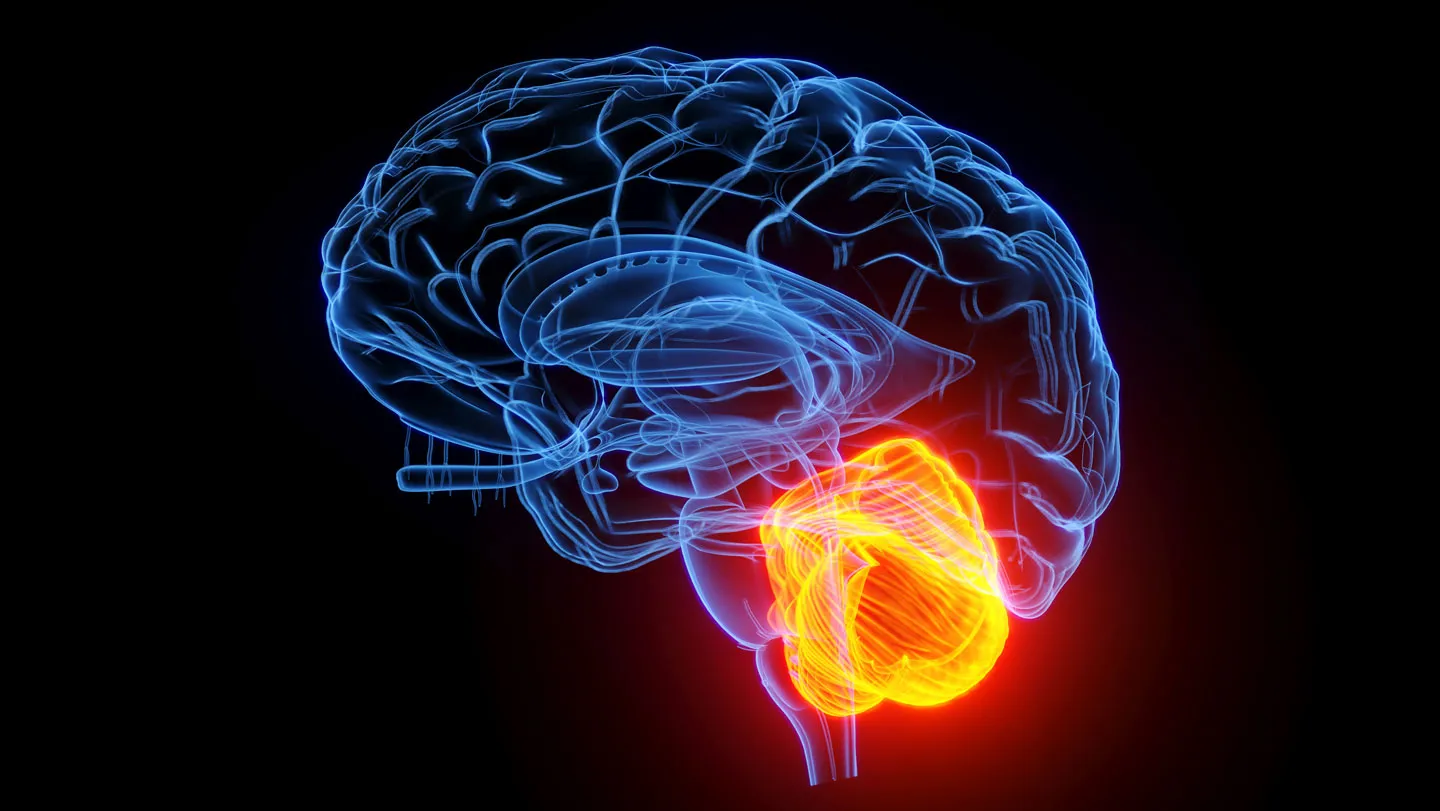
The Cerebellum’s Hidden Role in Boosting Cognitive Function
New research indicates the cerebellum—long associated primarily with motor control—serves as a critical compensatory mechanism for cognitive decline in aging populations. According to a study published June 17, 2026, in Nature Neuroscience, the “little brain” actively recruits neural pathways to maintain executive function when the prefrontal cortex shows signs of age-related degradation. This discovery shifts the clinical focus from purely cortical decline to a broader, whole-brain model of neuroplasticity.
Key Clinical Takeaways:
- The cerebellum functions as a cognitive “backup,” compensating for reduced efficiency in the prefrontal cortex during complex tasks.
- Functional MRI (fMRI) data suggests that individuals with higher cerebellar connectivity exhibit better performance on executive function tests.
- Researchers suggest that targeted non-invasive brain stimulation could eventually be used to bolster these compensatory pathways in patients with early-stage dementia.
The Neurobiological Mechanism of Compensation
Historically, the cerebellum was viewed through a strictly motor-centric lens, responsible for balance, coordination, and fine motor movement. However, recent longitudinal neuroimaging studies, funded by the National Institutes of Health (NIH), reveal that the cerebellum maintains dense, bidirectional connectivity with the cerebral cortex. When the prefrontal cortex—the seat of executive function, decision-making, and working memory—experiences reduced synaptic density due to aging, the cerebellum increases its metabolic activity to stabilize cognitive output. This process, termed “cerebellar recruitment,” allows older adults to achieve performance levels comparable to younger cohorts on specific cognitive batteries.
The clinical implications of this mechanism are profound, particularly regarding the pathogenesis of neurodegenerative conditions. By identifying how the brain shifts its workload, clinicians may be able to better predict who remains resilient against cognitive decline. Patients currently experiencing subjective cognitive impairment should seek evaluation from board-certified neurologists to establish a baseline for neurocognitive health.
Comparative Analysis of Cognitive Resilience
The following table illustrates the variance in neural recruitment strategies observed in the study between high-functioning and low-functioning cohorts during executive task performance.
| Cohort | Cerebellar Recruitment Rate | Prefrontal Cortex Efficiency | Task Performance (Accuracy) |
|---|---|---|---|
| High-Functioning (Aged) | High | Moderate | 92% |
| Low-Functioning (Aged) | Low | Low | 64% |
| Young Control Group | Baseline | High | 95% |
Clinical Perspectives on Brain Mapping
Dr. Elena Vance, a lead researcher in systems neuroscience, notes that this compensatory activity is not infinite. “While the cerebellum is a robust engine for compensation, it is not a permanent solution for neurodegeneration,” Dr. Vance stated. “We are seeing a clear threshold where the cerebellum can no longer offset the loss of cortical integrity. The challenge now lies in identifying the specific biomarkers that signal when this compensatory reserve is nearing exhaustion.”
This threshold is critical for medical practitioners managing patients with mild cognitive impairment (MCI). Standard-of-care diagnostics often focus on hippocampal atrophy, but this research suggests that future assessments must incorporate cerebellar integrity to provide a more accurate prognosis. For those seeking advanced diagnostic imaging, it is essential to utilize facilities that offer high-resolution fMRI protocols. Connecting with specialized diagnostic imaging centers can ensure that patients receive the most detailed analysis of their neural connectivity patterns.
Future Directions in Neuro-Rehabilitation
The findings suggest that the cerebellum could be a target for therapeutic intervention. If the cerebellum can be “trained” or stimulated to enhance its compensatory role, it may be possible to slow the clinical progression of cognitive decline. Current research is focusing on transcranial magnetic stimulation (TMS) as a potential tool for modulating these circuits. However, such interventions require precise navigation of existing clinical trial frameworks to ensure safety and efficacy.

For healthcare providers and clinical research organizations looking to integrate these findings into their practice, regulatory compliance remains a priority. Navigating the shifting landscape of neuro-therapeutic approval requires expert legal guidance to manage intellectual property and patient safety protocols. Many organizations are now retaining healthcare compliance attorneys to ensure their research pipelines align with the latest FDA and EMA guidance on neuro-stimulation devices.
The discovery that the cerebellum acts as a stabilizer for the aging mind provides a new focal point for geriatric medicine. By monitoring the integrity of the cerebellar-cortical loop, clinicians may eventually offer proactive strategies to preserve cognitive function long after the onset of initial cortical aging. As this field advances, maintaining a connection with top-tier research institutions and geriatric specialists will be vital for translating these laboratory breakthroughs into clinical practice.
Disclaimer: The information provided in this article is for educational and scientific communication purposes only and does not constitute medical advice. Always consult with a qualified healthcare provider regarding any medical condition, diagnosis, or treatment plan.