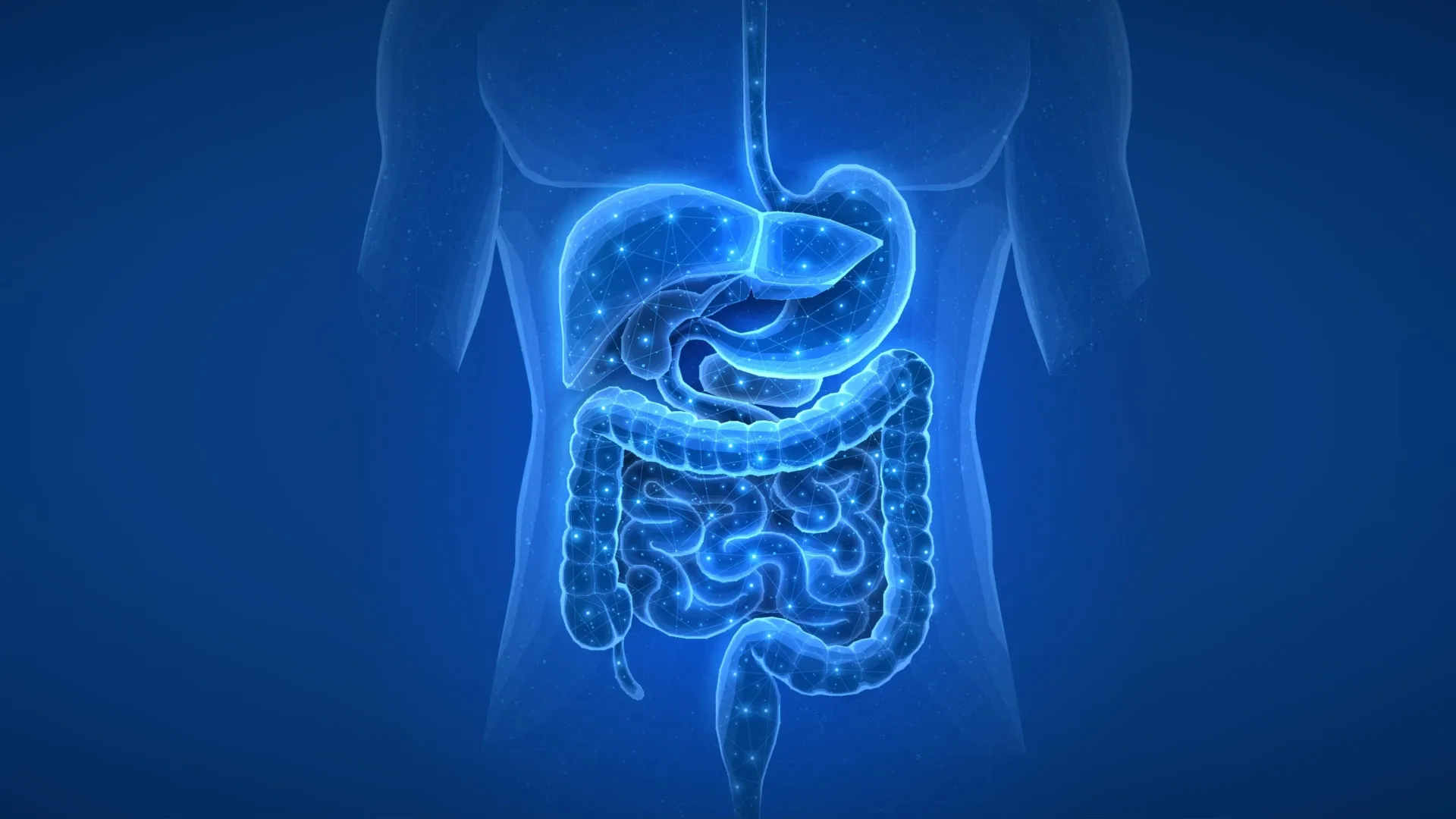
How Common Medications Leave Lasting Marks on the Gut Microbiome
Common prescription medications including antidepressants, beta-blockers, and proton pump inhibitors can fundamentally reshape the human gut microbiome for years after the final dose is taken. According to a longitudinal analysis published in the American Society for Microbiology’s Journal mSystems, researchers evaluating data from the Estonian Biobank discovered that 78 out of 186 analyzed drugs demonstrated long-term microbial composition shifts that persisted well beyond active treatment periods.
- Researchers analyzed health records and stool samples from 2,509 adult participants in the Estonian microbiome cohort.
- Out of 186 medications evaluated, 167 affected the gut microbiome, with 78 showing persistent, long-term compositional changes.
- Classes implicated in lasting microbiome disruption include antibiotics, antidepressants, antipsychotics, beta-blockers, biguanides, proton pump inhibitors, and benzodiazepines.
Longitudinal Findings from the Estonian Biobank Cohort
The investigation utilized high-resolution shotgun metagenomics sequencing on stool samples provided by 2,509 volunteers aged 23 to 89 from the Estonian microbiome cohort, an extensive population-based databank. Participants provided blood, cheek swab, and stool samples alongside comprehensive electronic health record data tracking both current and historical prescription drug usage. At the initial baseline assessment, individuals were taking a cumulative total of 433 distinct prescription drugs, having utilized 507 different medications over the preceding five years. A dedicated subsample of 328 individuals provided a secondary stool sample after a median follow-up interval of 4.4 years to verify temporal stability.
While antibiotics have long been clinically recognized for their capacity to deplete both beneficial and pathogenic microbial strains in the gastrointestinal tract, this observational work expands that paradigm. Dr. Babak Firoozi, a board-certified gastroenterologist at MemorialCare Orange Coast Medical Center in Fountain Valley, California, noted the methodological rigor while urging interpretive caution. According to statements provided to medical reporting outlets, Firoozi observed that while the methodology convincingly linked microbiome variations to drug exposure, the research remains observational rather than a controlled trial, meaning confounding variables such as environmental influences and localized dietary patterns cannot be entirely eliminated.
Pharmacological Classes Implicated in Microbial Disruption
The study cataloged measurable microbial alterations across several major therapeutic categories. Researchers examined drugs prescribed for chronic and acute conditions, tracking how chemical agents interact with the complex ecosystem of bacteria, fungi, and yeasts inhabiting the human digestive tract. Disruption of this microbial equilibrium is frequently associated in clinical literature with numerous chronic health conditions, making these persistent shifts a relevant factor in long-term patient monitoring.
| Medication Class | Primary Clinical Indication | Observed Microbiome Impact |
|---|---|---|
| Antibiotics | Bacterial infections | Direct depletion or cessation of bacterial multiplication |
| Antidepressants | Depression and mood disorders | Lasting shifts in microbial composition |
| Proton Pump Inhibitors (PPIs) | Acid reflux, ulcers, and heartburn | Long-term alteration of gastric and gut microbiota |
| Beta-Blockers | Cardiovascular conditions and hypertension | Persistent structural changes to microbial communities |
| Benzodiazepines | Anxiety and sleep disorders | Measurable compositional variance years post-dose |
Clinical Implications and Future Research Trajectories
The sheer breadth of medications influencing the gut ecosystem challenges traditional assumptions that drug-induced microbiome shifts are invariably transient.
