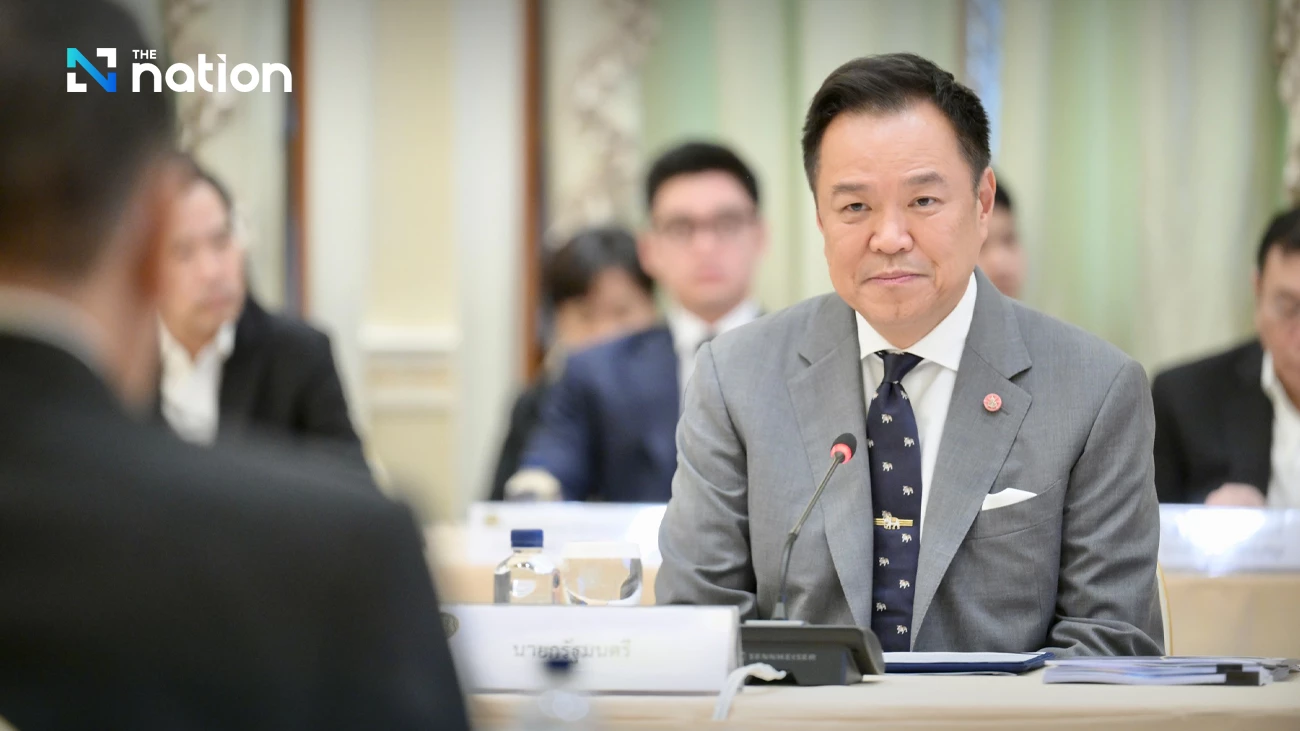
Thailand’s Anutin to Attend ASEAN-Russia Summit in Kazan: Strengthening Regional Ties
Thailand’s Deputy Prime Minister Anutin Charnvirakul will attend the ASEAN-Russia summit in Kazan on June 13–14, marking Moscow’s first high-level diplomatic engagement with Southeast Asia since the Ukraine war escalated. The visit underscores Russia’s push to deepen economic and strategic ties with ASEAN—home to 680 million consumers—amid Western sanctions isolating its energy and defense sectors. Anutin’s delegation will include Thai officials focused on trade expansion, while Russia seeks to leverage ASEAN’s neutral stance to counter Western pressure.
Why is Russia targeting ASEAN now?
Russia’s pivot to ASEAN follows a deliberate strategy to bypass Western sanctions by tapping into Southeast Asia’s growing demand for energy, arms, and infrastructure investments. The Kremlin has already secured deals with Vietnam and Laos for oil and gas projects, while Thailand’s strategic location as a trade hub makes it a key player in Moscow’s regional outreach.
“ASEAN’s economic resilience is a lifeline for Russia. While the West cuts off supply chains, we’re building alternatives—Thailand is a critical node in that network.”
Anutin’s attendance is significant: Thailand is ASEAN’s second-largest economy and a major consumer of Russian arms. The visit follows a May 2026 joint communiqué where both sides pledged to “explore new avenues for cooperation,” including defense technology transfers and counterterrorism initiatives.
What’s at stake for Thailand?
For Bangkok, the summit presents both opportunities and risks. Economically, Thailand stands to benefit from cheaper Russian energy imports—Moscow has already offered discounted oil supplies to ASEAN members. However, the U.S. and EU are monitoring the relationship closely. In May, the U.S. State Department warned of potential secondary sanctions on Thai firms engaging in “non-sanctioned” Russian trade.

Politically, Anutin’s delegation will push for ASEAN’s unified stance on Russia’s war in Ukraine. Thailand, as ASEAN’s current chair, holds influence over the bloc’s collective response. A June 2026 ASEAN chair’s statement released ahead of the summit reaffirmed the bloc’s commitment to “peaceful dialogue,” avoiding direct condemnation of Moscow.
How does this affect local businesses?
Thai exporters—particularly in agriculture, automotive, and electronics—face a critical juncture. Russian demand for Thai rice, rubber, and machinery has surged by 42% year-over-year since 2022, according to the Thailand Board of Investment. However, navigating Russia’s complex import regulations requires specialized legal support.
Companies entering Russian markets now must comply with Moscow’s new import licensing system, which mandates local partnerships. Thai firms are already consulting cross-border trade attorneys to structure joint ventures with Russian partners, a process that can take 6–12 months due to bureaucratic hurdles.
Logistics providers are also in high demand. With Russia’s sanctions creating supply chain disruptions, Thai businesses shipping to Kazan must work with specialized freight forwarders experienced in transiting through neutral ports like Singapore or Dubai.
What happens next?
The Kazan summit will likely produce concrete deals, but the real test lies in implementation. Russia has historically struggled to fulfill long-term contracts with ASEAN nations—delays in infrastructure projects with Vietnam and Laos have been documented in Reuters’ 2025 analysis.
For Thailand, the immediate focus will be on securing energy supply agreements. The country’s Electricity Generating Authority of Thailand (EGAT) is evaluating Russian LNG imports as a hedge against rising global prices. However, Thai officials are cautious: “We’re not rushing into long-term contracts without guarantees,” said Supachai Panitchpakdi, former Thai trade minister and current advisor to Anutin.
“Thailand’s engagement with Russia is pragmatic, not ideological. We need energy security, but we also need to balance our relationships with traditional partners like the U.S. and EU. The coming months will reveal how much Moscow is willing to compromise on sanctions evasion.”
The bigger picture: ASEAN’s geopolitical tightrope
Anutin’s visit is part of a broader ASEAN strategy to maintain neutrality amid great-power competition. The bloc’s 2026 Outlook highlights three key risks:
- Economic fragmentation: ASEAN nations are increasingly aligning with either China or Russia, creating internal divisions.
- Sanctions spillover: Secondary penalties could target Thai banks or shipping firms facilitating Russian trade.
- Security dilemmas: Russia’s arms sales to ASEAN (e.g., patrol boats to Indonesia) could provoke U.S. countermeasures.
For businesses operating in this environment, the advice is clear: diversify risk. Thai firms expanding into Russia should register with ASEAN compliance consultants to monitor shifting regulations. Meanwhile, Russian partners are seeking Thai expertise in supply chain resilience, particularly in food security and pharmaceuticals—areas where ASEAN’s collective strength lies.
A warning for the road ahead
The Kazan summit is more than a diplomatic gesture—it’s a test of ASEAN’s ability to navigate a multipolar world. For Thailand, the balance between economic pragmatism and geopolitical caution will define its role in shaping Southeast Asia’s future. The coming months will reveal whether Russia’s outreach yields tangible benefits or becomes another chapter in ASEAN’s long history of walking a delicate tightrope.
One thing is certain: the businesses and legal professionals who prepare now will be the ones who thrive in the shifting geopolitical landscape. Whether it’s sanctions compliance specialists, neutral-trade logistics providers, or Russia market-entry consultants, the directory is already populated with the experts ready to guide ASEAN’s next steps.