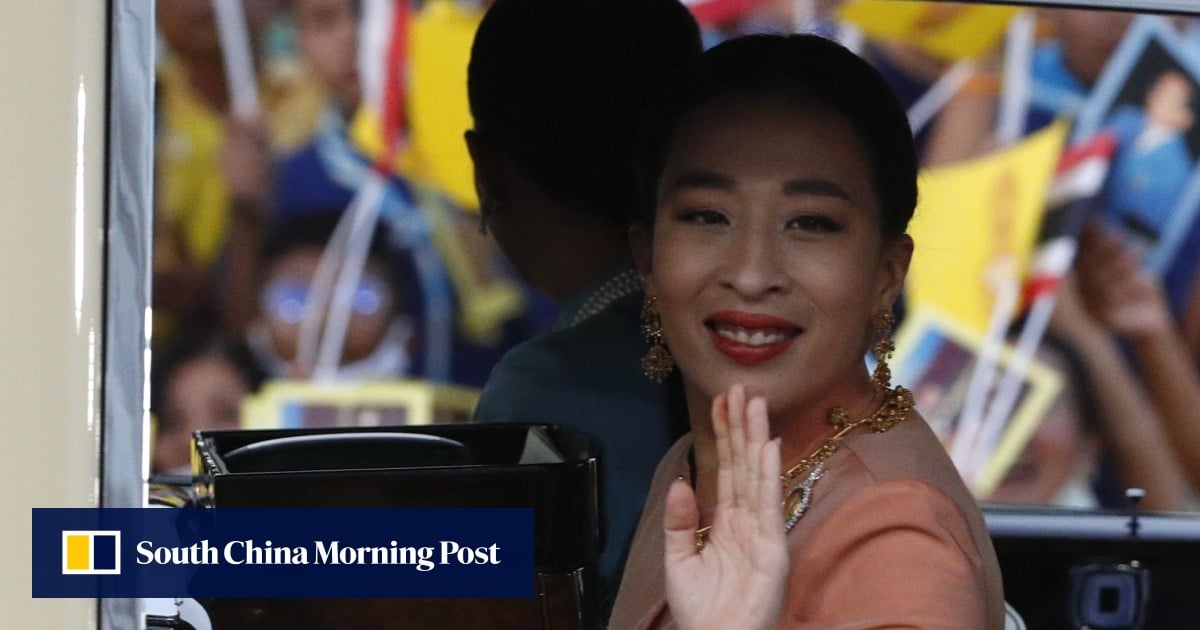
Thai Princess Bajrakitiyabha’s Condition Worsens Amid Multiple Organ Infections
As of May 21, 2026, the Royal Palace of Thailand has confirmed that Princess Bajrakitiyabha’s health has deteriorated due to multiple organ infections and an unmanageable heart rate. The 47-year-old eldest daughter of King Maha Vajiralongkorn remains in a coma, a condition she has endured since collapsing in December 2022.
This medical crisis is not merely a private family tragedy; it represents a significant moment of uncertainty for the Thai monarchy. The princess, a seasoned diplomat and former ambassador, has long been viewed as a central figure within the royal institution. Her prolonged absence from public life, now compounded by this latest decline, forces a confrontation with questions surrounding succession and the future stability of one of the world’s most enduring monarchies.
The Clinical Reality: A Prolonged Medical Struggle
The latest announcement from the Royal Palace indicates that the medical team is struggling to stabilize the princess’s heart rate while battling systemic infections. For over three years, the international medical community has observed the complexities of high-profile, long-term critical care. When an individual of such national importance remains in a medically induced or persistent state of unconsciousness, the logistical and ethical burden on state medical systems is immense.
Managing the health and estate of public figures involves a complex intersection of private medical privacy and public interest. In jurisdictions where such matters intersect with governance, families and institutions often find themselves navigating a dense web of legal and administrative mandates. Families facing similar, albeit private, long-term medical crises often require the assistance of specialized estate and medical power of attorney legal counsel to ensure that end-of-life decisions and asset management remain compliant with local statutes.
Succession and the Weight of Tradition
The princess’s role was not just ceremonial; she was a highly educated legal expert who served as Thailand’s ambassador to Austria and held various positions within the United Nations. Her incapacitation leaves a void in the social and diplomatic fabric of the kingdom. History teaches us that the stability of a nation is often tethered to the perceived vitality of its leadership.

The health of a key royal figure is rarely a singular event; it is a barometer for the institutional continuity of the state. When the primary line of succession or the most visible public faces of a monarchy face prolonged health challenges, the entire framework of national administration must adjust to maintain public confidence and operational rhythm.
This situation underscores the importance of institutional planning. Whether for a royal household or a multinational corporation, the sudden loss of a key decision-maker can lead to paralysis if robust contingency plans are not in place. Organizations and families often turn to strategic governance and crisis management consultants to bridge the gap between sudden, unforeseen leadership absences and long-term structural stability.
The Broader Context of Public Health and Governance
The global community often looks to the World Health Organization for guidance on managing complex systemic infections and long-term cardiac recovery protocols. However, at the local and national levels, the burden of care often shifts to domestic infrastructure. In cities across the globe, the ability to provide high-acuity, long-term care is a hallmark of a functioning healthcare system.
When health crises occur within a population, the immediate need for reliable information and medical support is paramount. Citizens and organizations alike must rely on vetted, professional networks to manage health outcomes. For those tasked with organizing care for vulnerable individuals, reaching out to certified medical advocacy and patient support organizations can be the deciding factor in ensuring the highest standard of care while navigating the bureaucratic hurdles of large-scale healthcare systems.
A Future Clouded by Uncertainty
As the medical team at the Royal Palace continues its work, the eyes of the world remain fixed on Bangkok. The princess’s condition serves as a reminder of the fragility of even the most protected lives. The coming months will be critical, not only for her recovery but for the institutional response to her ongoing absence.
The intersection of royal health, legal protocols, and national stability is a delicate balance. It is a reminder that even the most powerful structures are susceptible to the biological realities that affect us all. As we look toward the future, the ability of the monarchy to adapt to this new, difficult reality will be tested. Whether through the lens of history or the immediate concerns of modern governance, the situation remains a sobering example of how personal health crises can ripple outward to affect the stability of an entire nation.
For those managing the affairs of others during times of profound uncertainty, the necessity of professional guidance cannot be overstated. Whether it is legal, financial, or medical, the presence of an expert advocate is essential for navigating the unknown. Seek out vetted, high-integrity professionals through our Global Directory to ensure that your own institutional or familial crises are met with the precision and expertise required for a stable resolution.