
Thaksin Shinawatra Acquitted, But Legal Battles Continue in Thailand
Bangkok, Thailand - Former Thai Prime Minister Thaksin Shinawatra was acquitted today of violating Thailand’s strict lèse-majesté law, a charge stemming from a 2015 magazine interview critical of the Thai Royal House. The ruling, delivered by a Thai court, marks a temporary reprieve for the controversial politician, though further legal proceedings remain on the horizon.
Lèse-Majesté Law and its Significance
Thailand’s lèse-majesté law, which protects the monarchy from defamation, is among the world’s most stringent. Insulting the king, queen, heir-apparent, or regent can result in a prison sentence of up to fifteen years (Human Rights Watch). The law has been widely criticized by international human rights organizations for its broad interpretation and use against political opponents.
The court resolute that the prosecution failed to prove Thaksin’s statements were offensive to the monarchy. Supporters gathered at the court celebrated the verdict, while observers note the case highlights the sensitive political landscape surrounding the Thai royal family.
Thaksin’s Defense and Political History
Thaksin Shinawatra, 76, argued throughout the trial that he maintains respect for the Thai monarchy. He symbolically wore a yellow tie – the color associated with the monarchy - during court proceedings. He first rose to prominence as prime minister in 2001, implementing popular policies like low-interest loans for farmers and universal healthcare.
Though, his tenure was also marked by accusations of prioritizing business interests over public welfare and neglecting sound financial management.
Did You Know? Thaksin’s economic policies, while popular with many, also drew criticism for widening income inequality.
Overthrow, Exile, and Return
in 2006, thaksin was ousted in a military coup backed by conservative elements and the palace. He subsequently went into self-imposed exile, returning to thailand in 2023. Upon his return, he was instantly incarcerated but his eight-year sentence was reduced to one year by royal decree.
Despite the reduced sentence, Thaksin did not spend a single day in prison, rather receiving medical treatment in a hospital. Doubts were raised about the legitimacy of his medical condition, with many believing it was a pretext to avoid imprisonment.
Upcoming Legal Challenges
The acquittal does not end Thaksin’s legal troubles. He is scheduled to appear in court next month to address further charges, potentially related to his health and fitness for imprisonment. The court will determine whether his reported illness justified his avoidance of prison.
Daughter’s Political Fate
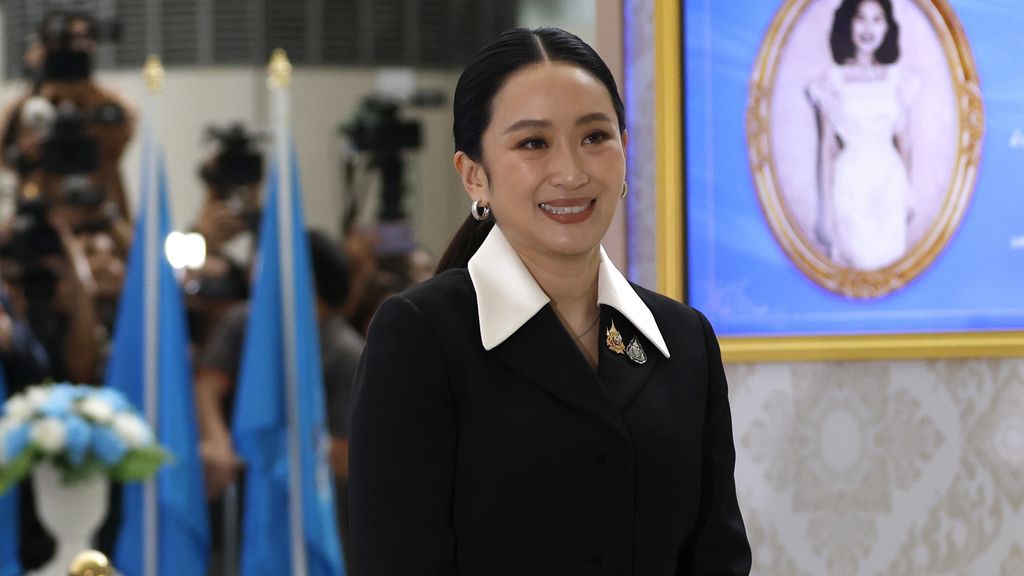
The legal proceedings surrounding Thaksin coincide with challenges faced by his daughter, Paetongtarn Shinawatra, the current Prime Minister of Thailand. She was recently suspended from her position following the emergence of a leaked phone conversation with a former Cambodian prime minister. The conversation, concerning a border dispute, sparked controversy and raised questions about her judgment.
Pro Tip: Understanding the historical context of Thai politics, including the role of the military and the monarchy, is crucial to interpreting these events.
Paetongtarn is awaiting a ruling on her case next Friday, which could determine her future in Thai politics.
Key Events in Thaksin Shinawatra’s Case
| Date | Event |
|---|---|
| 2006 | Military coup ousts Thaksin Shinawatra as Prime Minister. |
| 2015 | Thaksin gives interview criticizing the Royal House. |
| 2023 | Thaksin returns to Thailand and is imprisoned. |
| 2023 | Royal decree reduces Thaksin’s sentence to one year. |
| August 22, 2025 | Thaksin acquitted of lèse-majesté. |
Will Thaksin ultimately be required to serve his reduced sentence,or will his health continue to be a mitigating factor? What impact will the ongoing legal battles have on the political future of the Shinawatra family?
The case of Thaksin Shinawatra is emblematic of the complex interplay between politics,the monarchy,and the military in Thailand. The country has experienced numerous political upheavals in recent decades, often stemming from tensions between these powerful forces. the lèse-majesté law remains a contentious issue, with critics arguing it stifles free speech and is used to suppress dissent. The ongoing legal challenges faced by Thaksin and his daughter underscore the fragility of democratic institutions in Thailand and the enduring influence of traditional power structures.
Frequently Asked Questions about Thaksin Shinawatra
- What is lèse-majesté? Lèse-majesté is a law protecting a monarch from defamation,and in Thailand,it carries a severe penalty.
- Why was Thaksin Shinawatra removed from power? Thaksin was ousted in a military coup in 2006 amid accusations of corruption and abuse of power.
- What is the current status of Paetongtarn Shinawatra? Paetongtarn Shinawatra is currently suspended as Prime Minister pending a ruling on her case.
- What are the potential consequences for Thaksin if he is found to have been falsely claiming illness? He could be required to serve the remainder of his one-year prison sentence.
- How does the monarchy influence Thai politics? The monarchy holds significant cultural and political influence in Thailand, and the lèse-majesté law is used to protect its reputation.
This is a developing story. Stay tuned to world-today-news.com for updates.
We encourage you to share this article with your network,leave a comment below with your thoughts,and subscribe to our newsletter for more in-depth coverage of global events.