
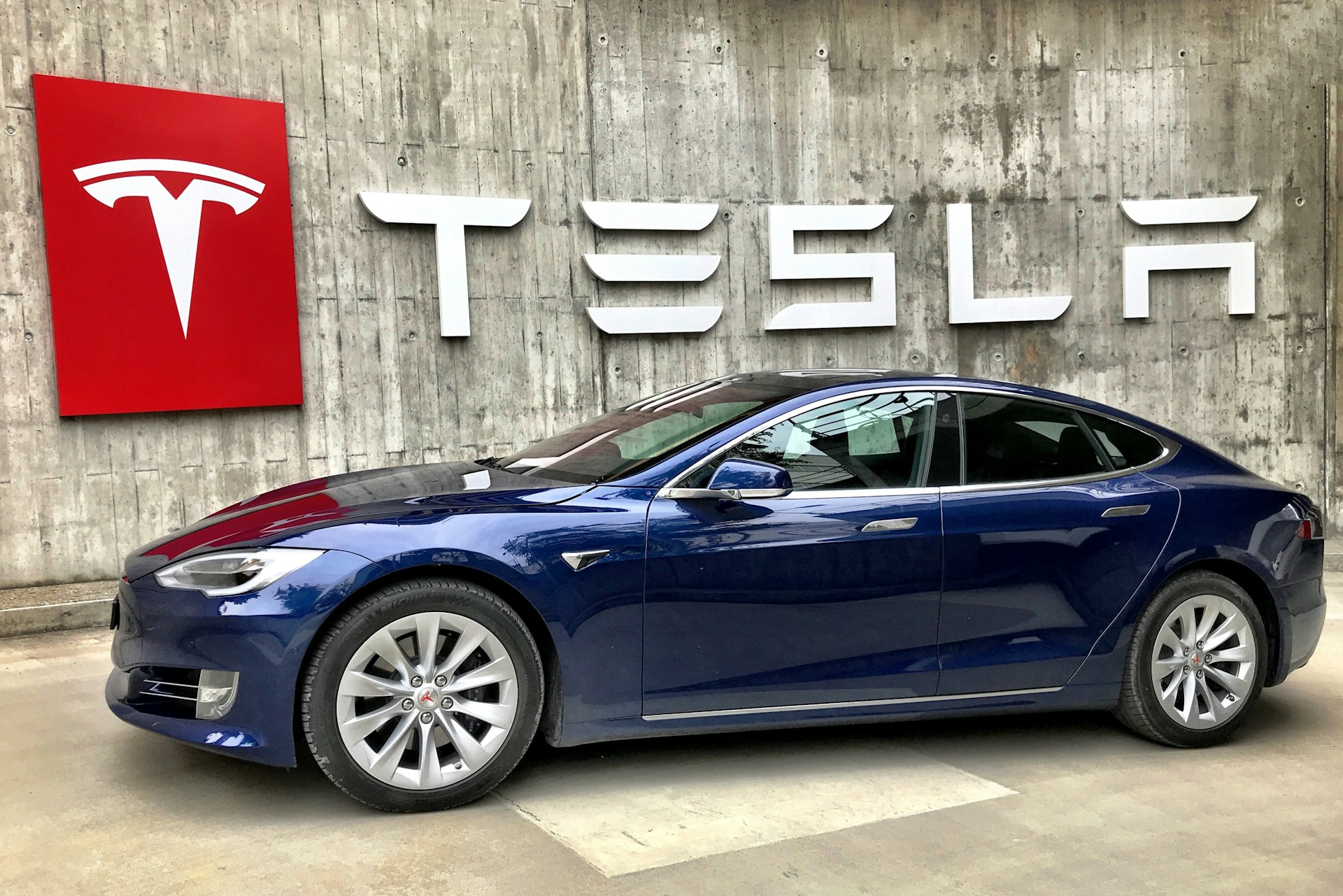
Tesla’s European sales continued to decline in early 2026, with registration figures for January showing a significant drop in key markets, according to preliminary data. The downward trend, which began in 2025, signals ongoing challenges for the automaker as it navigates increased competition from Chinese manufacturers and shifting consumer preferences.
While official consolidated figures from the European Automobile Manufacturers’ Association (ACEA) for January are typically released mid-month, early reports indicate a continuation of the struggles experienced throughout 2025. Tesla ended 2025 with a market share of roughly 1.4% to 1.7% across Europe, a substantial decrease from the 2.4% it held in 2023. January data reveals Tesla failing to rank among the top five brands for Battery Electric Vehicle (BEV) sales in several major European hubs.
In France, Tesla registrations fell by 42% in January, totaling 661 units. Norway, historically a strong market for Tesla, experienced an even more dramatic decline, with registrations plummeting 88% to just 83 units. While Sweden and Denmark did observe year-over-year increases in registrations, these gains were insufficient to offset the losses in other key markets. Analysts estimate the year-over-year decline for January could reach as high as 50% in certain regions.
The struggles come after Tesla’s European sales dropped from approximately 326,000 units in 2024 to just over 235,000 in 2025, representing a 27.8% year-over-year decline. Germany, once a key growth engine for Tesla in Europe, saw registrations crash by 48.4% in 2025, falling from over 37,500 units to just over 19,000.
Several factors are contributing to Tesla’s difficulties. A recent study by consulting firm Escalent found that 38% of European respondents believe Tesla’s products are losing their appeal. The company’s aging product portfolio is also a concern, with the Model S and Model X slated to end production in Summer 2026 and no immediate replacements announced. Tesla is currently relying heavily on the Model 3 and Model Y, despite the latter having undergone a recent refresh.
Competition from Chinese automakers is intensifying. BYD saw a staggering 268% jump in European sales throughout 2025 and continues to gain momentum in early 2026. Brands like NIO and XPeng are also making inroads into the European market with premium models. XPeng debuted its P7+ in Europe at the Brussels Motor Show in January 2026, directly targeting the demographic that typically purchases the Tesla Model 3.
BYD surpassed Tesla in global BEV sales in 2022 and its 2024 revenues exceeded those of Tesla, reaching $107 billion compared to Tesla’s $97.7 billion. BYD delivered a record 4.27 million vehicles in 2025. Tesla delivered 1.64 million vehicles in 2025, an 8.5% decline from the 1.79 million units delivered in 2024. This decline was partially attributed to the expiration of the $7,500 federal EV tax credit in the United States in September 2025.
Tesla is pivoting towards artificial intelligence, with CEO Elon Musk characterizing the current time as a “critical inflection point” for the company. The company unveiled its Cybercab, a fully autonomous robotaxi, in 2025, with mass production scheduled to initiate in April 2026 at Gigafactory Texas. Musk aims for a production capacity of up to 2-3 million units annually, with a goal of deploying 1 million robotaxis in commercial service.
