Tehran Reviews U.S. Proposal to End Three-Month War
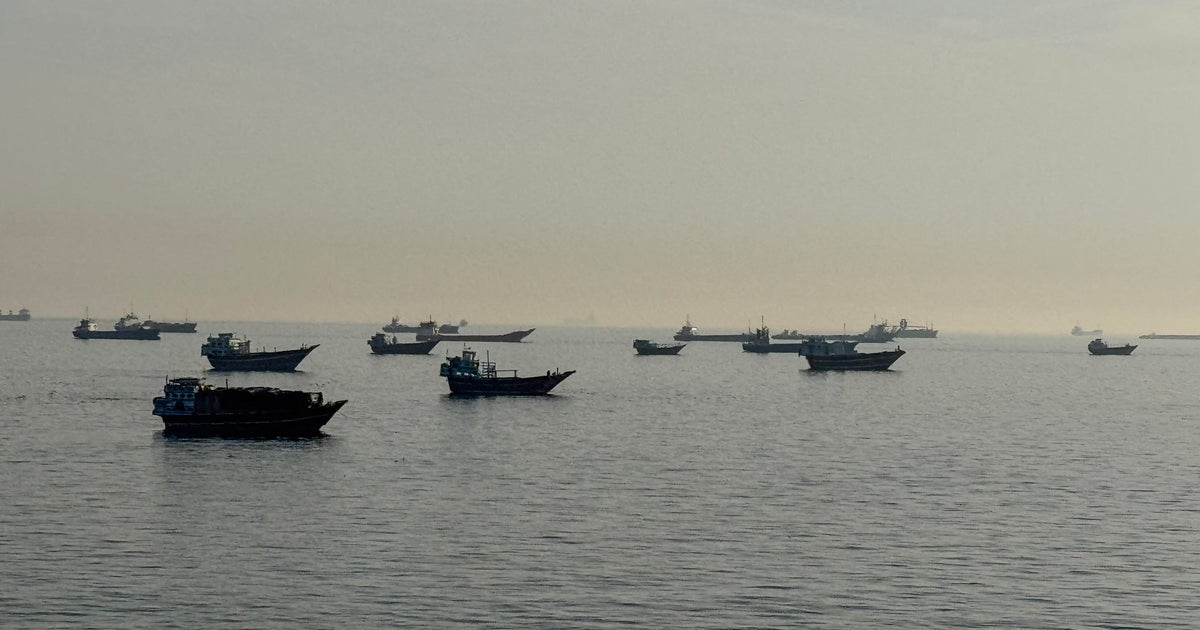
As of May 23, 2026, the United States and Iran remain locked in a high-stakes diplomatic and military standoff. While Tehran reviews a U.S. Proposal intended to bridge gaps toward a potential peace deal, the threat of renewed American military strikes persists, placing global shipping and regional stability in precarious flux.
The current situation represents a critical inflection point in a nearly three-month conflict. The core of the tension lies in the delicate balance between active military posturing and the nascent, fragile negotiations aimed at de-escalation. For Tehran, the path forward requires not just a cessation of hostilities but, as officials have indicated, an end to what they describe as Washington’s “temptation for war.”
The Geometry of a Fragile Ceasefire
The diplomatic framework currently under review is built upon a 14-point text introduced by Iran several weeks ago. This proposal outlines a potential short-term path to stability, centering on two primary logistical demands: the reopening of the Strait of Hormuz and the lifting of the U.S. Blockade on Iranian ports. Should these conditions be met, the parties would theoretically shift toward more comprehensive, long-term discussions regarding Tehran’s nuclear program.
However, the skepticism remains palpable. The Iranian foreign ministry has made it clear that any lasting agreement must encompass all fronts, specifically citing the situation in Lebanon, while also demanding the unfreezing of sanctioned assets. The complexity of these demands suggests that a simple ceasefire is insufficient to resolve the structural grievances fueling this confrontation.

The economic ramifications of this uncertainty are profound, particularly for businesses reliant on stable maritime corridors. As organizations navigate the complexities of international trade during this period of volatility, many are turning to international trade law firms to mitigate the risks associated with sudden port closures and fluctuating insurance premiums.
The situation in the Middle East has moved beyond a local skirmish; it is now a systemic challenge to global supply chain integrity. When the Strait of Hormuz is leveraged as a diplomatic bargaining chip, the ripple effects are felt instantly in every major market from Tokyo to Rotterdam.
Macro-Economic Impacts and Regional Infrastructure
The threat of escalation creates a volatile environment for regional infrastructure. Beyond the immediate military theater, the potential for a permanent Hormuz toll system—a topic currently under discussion between Tehran and Oman—signals a shift toward a more formalized, yet contentious, management of one of the world’s most vital energy transit points. For multinational corporations, this necessitates a robust approach to risk management.
Companies operating in regions adjacent to the conflict are increasingly forced to re-evaluate their logistical footprints. The reliance on legacy shipping routes is being challenged by the reality of blockade-induced delays. Firms are seeking guidance from global risk management consultants to fortify their operations against the unpredictable nature of these state-level negotiations.
Key Variables in the Current Negotiations
- The 14-Point Plan: A structured proposal seeking reciprocal concessions on maritime access.
- Sanctioned Assets: A major sticking point involving the release of frozen funds as a prerequisite for further trust-building.
- Multilateral Mediation: The role of third-party nations, such as Pakistan, in facilitating communication between Washington and Tehran.
Field Marshal Asim Munir of Pakistan recently visited Tehran, underscoring Islamabad’s role as a primary mediator. Such high-level diplomatic visits highlight the desperate search for a neutral ground that can translate a fragile truce into a durable peace. Yet, for the average citizen in the affected regions, the diplomatic maneuvering offers little immediate comfort against the looming threat of airstrikes.
Operational Resilience in a Time of Crisis
For businesses, the primary problem is not merely the threat of kinetic action, but the persistent instability that prevents long-term capital investment. When the geopolitical landscape shifts on a daily basis, the ability to pivot becomes the only viable strategy. This operational agility is often supported by specialized corporate continuity planners who specialize in navigating periods of extreme geopolitical instability.

The information gap remains significant. While official statements suggest a narrowing of gaps, the lack of a formal timeline for a response from Tehran leaves the international community in a state of sustained alert. This vacuum of certainty is where operational risks are most frequently realized.
as digital infrastructure becomes a target of state-level actors, the need for robust cybersecurity measures has never been more acute. Organizations are currently prioritizing the hardening of their networks, often reaching out to specialized cybersecurity defense contractors to ensure that their proprietary data remains insulated from the fallout of state-sponsored digital incursions.
The Path Forward: Vigilance and Strategy
As we look toward the coming weeks, the focus will likely remain on whether the U.S. Proposal can successfully move beyond the “narrowing of gaps” to a concrete, verifiable commitment to peace. Washington’s next moves—whether they involve a pause in military preparations or a further intensification of pressure—will dictate the immediate future of the region.
History suggests that peace is rarely a linear process, especially when the stakeholders are as deeply entrenched as those involved in this conflict. The challenge for the international community is to foster an environment where diplomacy is viewed as more advantageous than the status quo of brinkmanship.
In this climate of uncertainty, the importance of having verified, expert advisors cannot be overstated. Whether you are managing complex international supply chains or navigating the legal intricacies of cross-border commerce, the necessity of professional guidance is the difference between organizational stability and total collapse. As the situation in the Middle East continues to evolve, ensure your organization is shielded by the best resources available through our comprehensive global directory of verified experts.