
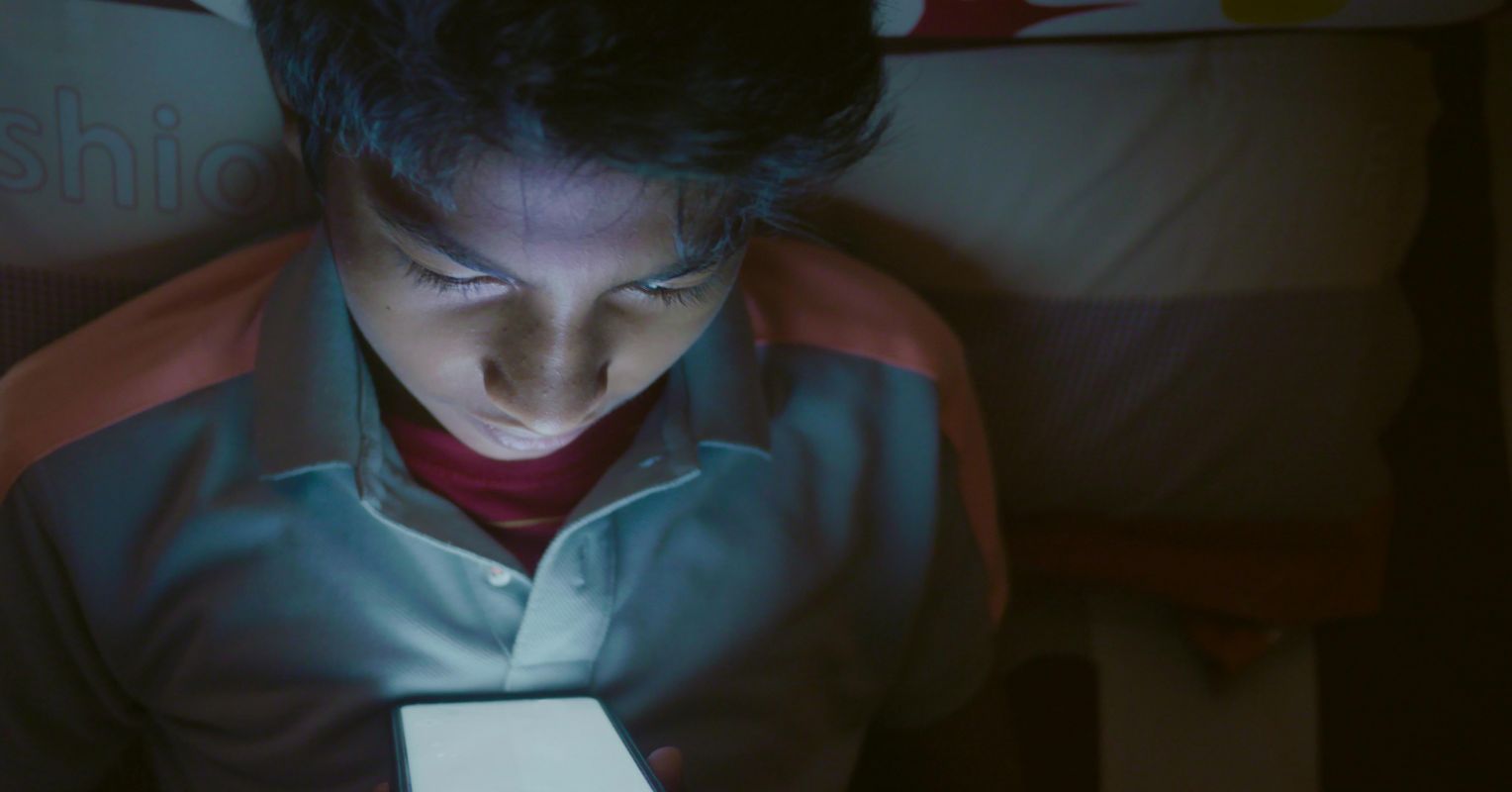
Australia recently announced a ban on social media use for kids under 16, citing concerns about mental health and online safety. But there’s another issue at stake—sleep. Teenagers’ late-night screen use has quietly become one of the biggest barriers to healthy development.
The consequences of teen sleep loss are serious
Sleep-deprived teens face higher risks of depression, anxiety, substance use, and academic struggles. While Australia’s move is bold, similar efforts are emerging in the United States. Utah and Arkansas now require parental consent for minors to join social media platforms, and states including New York, Louisiana, and Florida are debating tighter controls on underage users or on the algorithms designed to keep them scrolling late at night.
Sleep is more than an individual behavior—policy matters
These efforts signal a sea change in public—and scientific—attitudes about sleep. When I began my career as a sleep scientist over 20 years ago, I was something of an outlier. at the time, most researchers in my field focused on sleep as an individual behavior shaped by biology, habits, and psychology. I was drawn to a different question: What if sleep isn’t just an individual health behavior, but a social and policy issue?
The Centers for Disease Control and Prevention recommends that teenagers get 8 to 10 hours of sleep each night. yet, studies show most aren’t even getting seven. This isn’t simply a matter of willpower. It’s a systemic problem fueled by societal norms and, increasingly, by technology.
Why teens struggle to sleep
Several factors contribute to this sleep crisis. Biologically,teenagers experience a natural shift in their circadian rhythms,making them feel sleepy later at night and wake up later in the morning. This is why asking a teen to wake up at 6:00 a.m. feels like torture. But this biological shift interacts with a culture that demands early school start times and constant connectivity.
Social media plays a meaningful role. The blue light emitted from screens suppresses melatonin, a hormone that regulates sleep. More importantly, social media platforms are designed to be addictive, offering a constant stream of notifications and rewards that keep teens engaged long after they should be asleep. The fear of missing out—or FOMO—compounds the problem.
What can be done?
The growing recognition of sleep as a public health issue is encouraging. policy changes, like those being considered in the U.S. and implemented in Australia, are a crucial step. But policy alone isn’t enough. Schools need to consider later start times,and parents need to set clear boundaries around screen use,especially in the evening.
We also need to educate teens about the importance of sleep and equip them with strategies for improving their sleep habits. This includes creating a relaxing bedtime routine, avoiding caffeine and alcohol before bed, and making sure their bedrooms are dark, quiet, and cool.
Ultimately, prioritizing teen sleep isn’t just about improving their academic performance or mental health. It’s about investing in their future. A well-rested generation is a healthier, happier, and more productive generation.
