
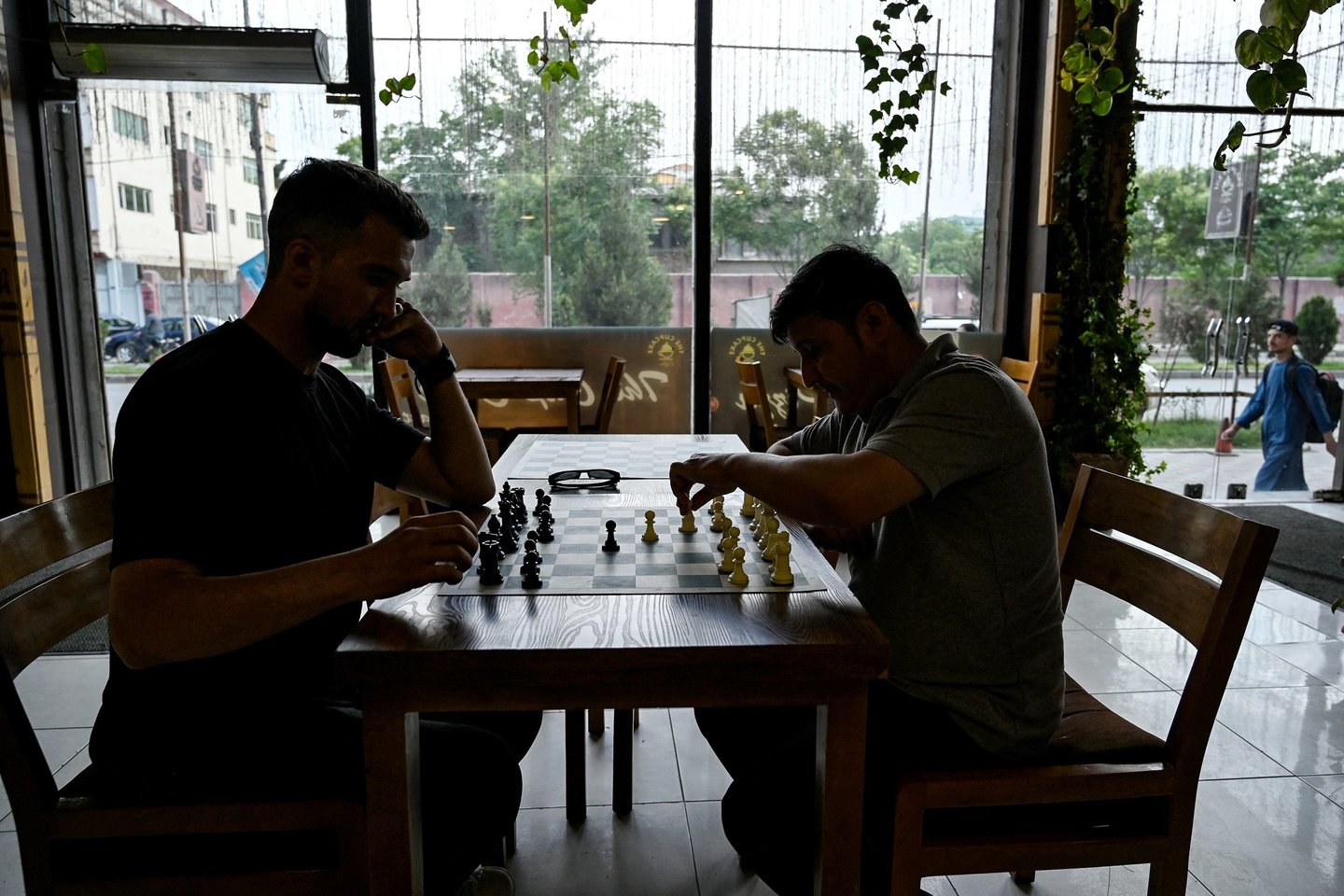
Taliban Bans Chess in Afghanistan, Expanding Restrictions on recreation
Table of Contents
Kabul, Afghanistan – The Taliban government has once again prohibited the game of chess in Afghanistan, citing concerns over its potential for violating islamic law. The ban, announced on May 16, 2024, by Atal Mashwanis, a spokesperson for the virtue and Prevention of vice Governance, halts all chess activity until further notice. This decision adds to a growing list of restrictions imposed on sports, arts, and leisure as the Taliban regained power in August 2021.
Roots of the Ban and Islamic Interpretations
The Taliban’s opposition to chess stems from interpretations of Islamic scripture that deem the game as promoting gambling, wastefulness, and perhaps idolatrous imagery. While interpretations of Islamic law vary widely, the Taliban adheres to a strict Deobandi interpretation. This isn’t the first time chess has faced prohibition under Taliban rule; a similar ban was enacted during their previous governance from 1996 to 2001.however, a 1988 reversal of a 1979 ban allowed chess to continue under the condition it wasn’t used for wagering. The current ban appears to be a broader crackdown on activities deemed incompatible with the Taliban’s austere vision for society.
Broader Crackdown on Leisure and Women’s Rights
The chess ban is part of a wider pattern of restrictions. In February 2024, the Taliban outlawed Mixed Martial Arts (MMA), labeling it as brutal and un-Islamic, despite its popularity among Afghan youth. Moreover, women have been systematically excluded from all aspects of sports. A decree issued in 2022 prevents women from participating in sports, attending gyms, or even being coached by female trainers. All women’s sports clubs have been shuttered. Beyond sports, music has been banned from radio, television, weddings, and public gatherings since 2021. According to a report by Amnesty International in December 2023, these policies constitute a systematic attack on women’s rights and freedoms.
Chess in Afghanistan: A History and Current Status
Even though not as widely followed as football (soccer) or cricket, chess has a dedicated following in Afghanistan, with a history spanning decades.During the period of the Western-backed government in Kabul (2001-2021), the Afghanistan Chess Federation regularly organized tournaments for both men and women. Informal chess games were common in cafes, parks, and private gatherings. As of May 2024, the federation has ceased operations due to the ban. The Afghan Chess Federation,established in 1976,was recognized by FIDE (the International Chess Federation) in 2004.
Did You Know?
Unlike Afghanistan, even conservative Muslim nations like Saudi Arabia and Indonesia do not have nationwide bans on chess.
Unique Restrictions and International Response
the Taliban’s restrictions on chess are unique among Muslim-majority countries. Even in nations with strict interpretations of Islamic law, chess is generally permitted. The international chess community, including FIDE, has not yet issued a formal statement regarding the ban, but concerns are growing about the future of the sport in Afghanistan. The United Nations Assistance Mission in Afghanistan (UNAMA) has repeatedly expressed concern over the Taliban’s escalating restrictions on fundamental freedoms.
| Restriction | Date of Implementation | Impact |
|---|---|---|
| Ban on Women in Sports | 2022 | Complete exclusion of women from all sports activities. |
| Ban on MMA | february 2024 | Elimination of a popular sport among Afghan youth. |
| Ban on Music | 2021 | Restrictions on music in public and private life. |
| Ban on chess | May 16, 2024 | Suspension of all chess activities. |
Pro Tip: The Taliban’s actions are frequently enough driven by a desire to enforce a specific interpretation of Sharia law and consolidate their control over afghan society.
Ancient Context of Chess Bans in the Muslim World
while uncommon today, bans on chess have occurred sporadically throughout Islamic history. During certain periods, some Islamic scholars considered chess a distraction from religious duties or a form of gambling. However, the majority view has historically been one of tolerance, with chess often seen as a game of skill and strategy.The current ban in Afghanistan represents a return to a more restrictive interpretation, mirroring the approach taken by the Taliban during their previous rule. The rise of Salafi-Jihadi ideologies in recent decades has contributed to a renewed focus on strict interpretations of Islamic law, influencing policies in countries like Afghanistan.
Frequently Asked Questions
- What is the primary reason for the Taliban’s ban on chess? The Taliban cites concerns that chess violates Islamic law by promoting gambling and potentially idolatrous imagery.
- Is this the first time the Taliban has banned chess in Afghanistan? No, a similar ban was implemented during the Taliban’s previous rule from 1996 to 2001.
- Are there any other sports that have been banned by the Taliban? Yes, the Taliban has banned MMA and wholly excluded women from participating in all sports.
- How does this ban compare to restrictions in other Muslim countries? the ban is unique; most Muslim-majority countries do not prohibit chess.
- What is the current status of the Afghanistan Chess Federation? The federation has ceased operations due to the ban.
- What is the international response to the ban? The international chess community has not yet issued a formal statement, but concerns are growing.
What impact do you think this ban will have on the Afghan people? Share your thoughts in the comments below. Don’t forget to subscribe to our newsletter for the latest updates on this developing story.
