Taliban Smartphone Ban May Cripple Afghan Female Journalists
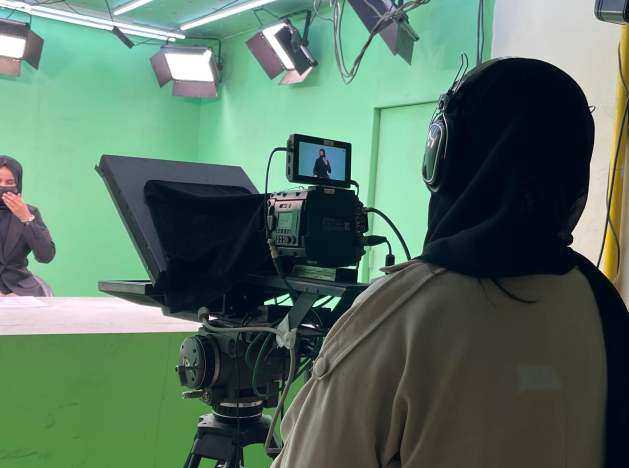
Fewer than 200 female journalists remain working in Afghanistan on October 8, 2026, a sharp drop from approximately 2,000 before the Taliban took power in 2021, according to the Canadian organization Free Speech Centre. That steep decline in media representation now faces a deeper operational threat as administrative restrictions on daily tools complicate reporting across the country.
Smartphone Restrictions Cut Off Access to Government Officials
Government officials in Afghanistan are now permitted to use smartphones only with special authorization under rules implemented in June, forcing reporters to abandon the mobile communication channels they relied upon for daily news gathering.
Under the new rules, officials caught using a smartphone without special permission risk having their devices confiscated and destroyed. The Afghanistan Journalists Center (AFCJ) warned that this measure hinders reporting and undermines press freedom, suspecting an attempt by the administration to tighten control over communication. Meanwhile, Taliban spokesperson Zabihullah Mujahid stated that the ban has not yet been confirmed and remains under discussion, according to ipsnews.org and conflictresolutionunit.id.

Smartphone Ban Disrupts Regional Government Offices
The impact of the government smartphone prohibition extends far beyond the capital. In western Afghanistan, internet connections at the Herat police department and other municipal offices are down because sharing network connections from mobile devices is no longer permitted, according to staff interviewed by ipsnews.org and conflictresolutionunit.id. Personnel at several agencies reported they could only answer media inquiries after working hours because workplace messaging applications were blocked.
In northern Afghanistan, a television journalist in Kunduz province told ipsnews.org and conflictresolutionunit.id that producing multiple news reports daily is no longer feasible when arranging interviews and securing official answers takes several days through landlines and restricted administrative channels.
Employment Prospects for Women in Afghan Media
Female journalists bear the heaviest burden under the new rules because traditional reporting methods are largely closed to them. Restrictions put in place since 2021 bar women from attending press conferences freely, and officials increasingly refuse face-to-face interviews unless the reporter is accompanied by a close male relative. With women also largely removed from the civil service, phone applications had remained the primary bridge for verification and commentary.
A journalist at a Kabul radio station identified as Hadia told ipsnews.org and conflictresolutionunit.id that landlines lack the capabilities of messaging applications and gathering basic facts now takes excessive time.