
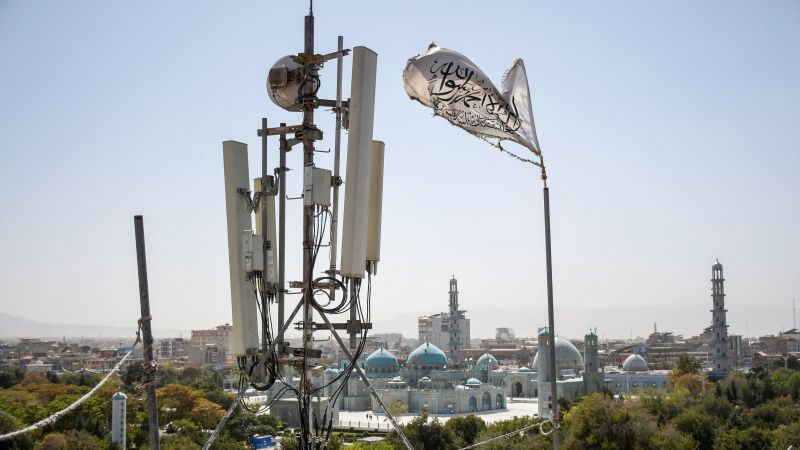
The Taliban has ordered an internet shutdown in northern Afghanistan, cutting off connectivity for offices, homes, and businesses, according to a statement from provincial authorities.The move, enacted “to prevent immoral activities,” impacts a currently unspecified number of people and follows a pattern of increasingly restrictive rules imposed by the Taliban since taking power.
The ban, which severed fiber optic connections, is drawing condemnation from international observers, including former US Ambassador to Afghanistan Zalmay Khalilzad, who called it “absurd” and pointed to readily available filtering technologies as an option. The shutdown underscores the Taliban’s tightening grip on social controls and its escalating restrictions on freedoms, especially impacting women and freedom of expression. Authorities stated an alternative will be provided for essential needs, but details remain scarce.
Late last year, the Taliban codified a broad set of moral regulations, mandating face coverings for women, beard growth for men, and prohibiting music in vehicles. These restrictions, alongside the internet ban, have elicited strong criticism from human rights organizations and foreign governments. The Taliban’s actions on women’s rights, in particular, have faced widespread international scrutiny, as highlighted in a recent CNN report on the anniversary of the Taliban takeover.
“If pornography is really the concern,like as in many Islamic countries,it can easily be filtered,” Khalilzad said. “Many countries in the Islamic world do exactly that.”
