Taiwan Woman Claims Sexual Advance on Taxi Driver Was “Just a Joke
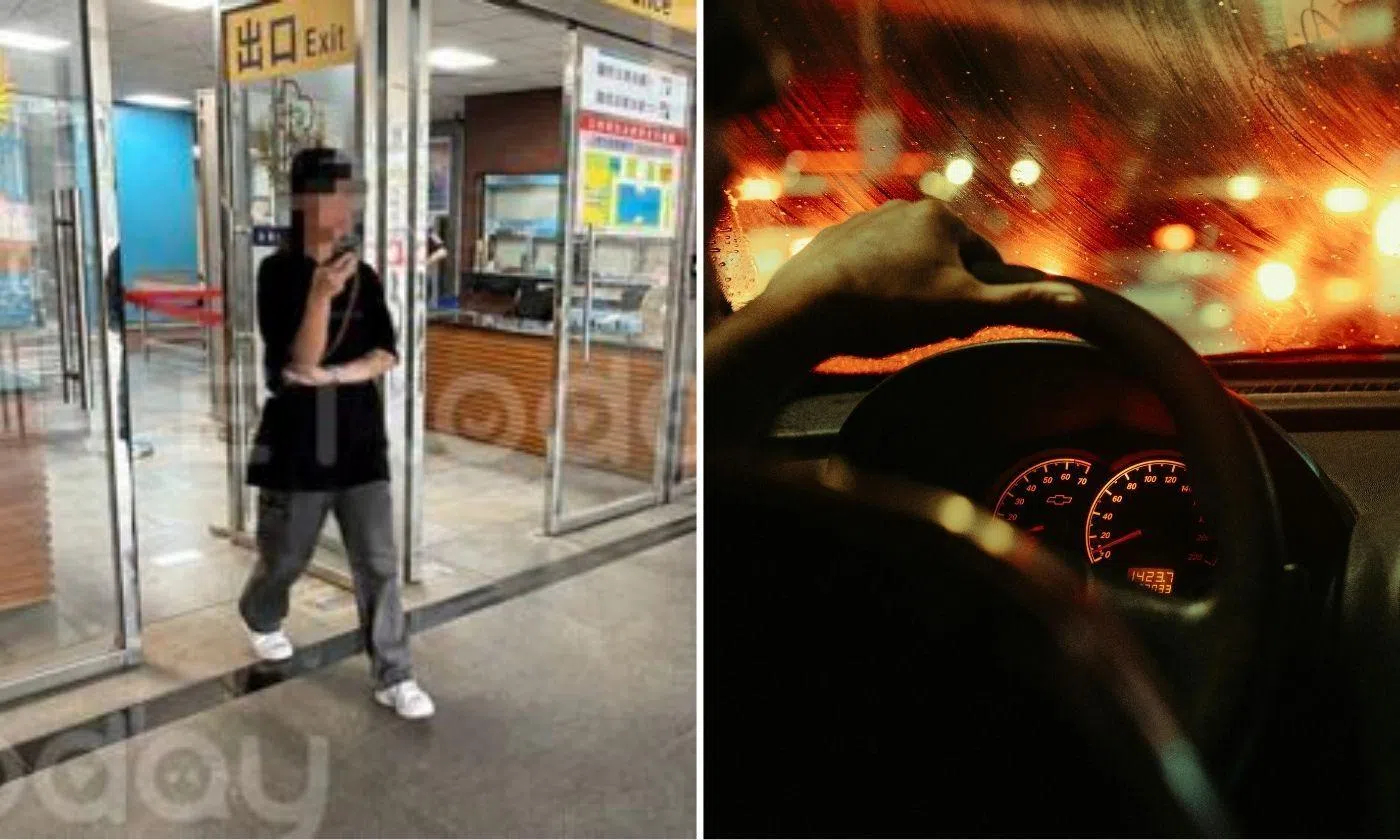
A passenger in New Taipei City, Taiwan, is facing legal scrutiny following a November 2025 incident in which she allegedly touched a taxi driver’s genitals and reached into his underwear. The woman, identified by the surname Huang, characterized her behavior as a joke, though prosecutors have moved forward with the case.
This incident, which occurred during a transit ride early on November 29, 2025, underscores the ongoing vulnerability of gig economy workers in the transportation sector. While the passenger has admitted to the physical contact, she has denied any intent to commit sexual assault, creating a complex legal scenario that hinges on the definition of consent and the distinction between intent and action under Taiwanese law.
The Jurisdictional Challenge: Navigating Transit Safety
The incident in New Taipei City brings to the forefront the broader issue of safety for service providers operating in private vehicles. In Taiwan, a dense, highly urbanized environment where taxi services are a critical component of the public transit infrastructure, the lack of immediate oversight within a moving vehicle creates a unique security gap. When a passenger initiates non-consensual physical contact, the driver is often left in a position of extreme professional and personal vulnerability.
Legal experts observe that incidents of this nature often lead to prolonged litigation, as the burden of proof relies heavily on witness testimony or secondary corroboration. In this case, prosecutors have relied on the driver’s immediate actions following the ride—specifically his report to an employee at a spa—to establish the credibility of his account. This highlights why drivers must maintain a clear, documented chain of events when faced with harassment.
For those navigating the complexities of workplace harassment or seeking to understand their rights in the transport sector, consulting with specialized legal professionals is essential. Understanding the nuances of the Laws and Regulations Database of the Republic of China is the first step toward building a robust defense or pursuing a legitimate claim.
Infrastructure and the Gig Economy
The shift toward a more digitized transportation landscape in East Asia has brought efficiency, but it has not eliminated the risks of human-to-human interaction in enclosed spaces. As Taiwan’s population density continues to support a high demand for taxi and ride-hailing services, the need for standardized safety protocols becomes more pressing. The current case serves as a sober reminder that technology—while helpful for tracking routes—does not necessarily prevent the immediate, physical dangers faced by frontline workers.

The protection of workers in the transport industry requires a multi-faceted approach, combining robust legal frameworks with immediate, accessible support systems for those who find themselves in compromised positions.
When legal disputes arise from these encounters, the stress on the individual can be overwhelming. Beyond the immediate criminal charges, there is the long-term impact on the worker’s ability to maintain their livelihood. This is where civic advocacy and worker protection organizations play a vital role, ensuring that drivers are not left to navigate the judicial system in isolation.
Analyzing the Legal Precedent
The defense strategy employed by the accused—claiming the act was a “joke”—is a common, albeit often unsuccessful, tactic in sexual harassment litigation. Prosecutors in Taiwan have increasingly scrutinized such claims, particularly when physical contact is persistent and intrusive. The fact that the driver attempted to push the passenger’s hand away, only to have her persist, serves as a key element in the prosecution’s argument that the actions were neither consensual nor a misunderstanding.

For professionals in any sector, the risk of litigation is a constant shadow. Whether dealing with harassment in the workplace or complex liability issues, having a network of vetted professional advisory services can mitigate the fallout of such incidents. These services are critical for maintaining operational stability in an era where social boundaries are frequently challenged.
The Road Ahead for Passenger-Driver Relations
As this case proceeds through the Taiwanese judicial system, it will likely serve as a reference point for future disputes involving professional drivers. The intersection of personal conduct and labor safety remains a point of tension in rapidly developing economies. With Taiwan’s population exceeding 23 million, the frequency of such interactions is a statistical reality that municipal authorities must address through policy, education, and improved reporting mechanisms.
the safety of the transport sector relies on mutual respect and the strict enforcement of boundaries. When those boundaries are crossed, the judicial system must act as a firm arbiter. For those seeking to better understand their obligations or rights in similar circumstances, the path forward involves diligent preparation and the engagement of qualified experts. If you are a professional or a business owner currently navigating a legal or security crisis, do not attempt to manage the fallout alone. Secure the assistance of verified legal counsel to ensure your rights are protected throughout every stage of the legal process.
This report was curated by Lucas Fernandez, World Editor, to provide context on the evolving safety landscape for transport professionals. For further analysis on global labor trends and legal developments, consult the World Today News Directory for access to verified professionals and civic resources.