
Microsoft and OpenAI Secure Massive Computing Power, Signaling AI’s Next Growth Phase
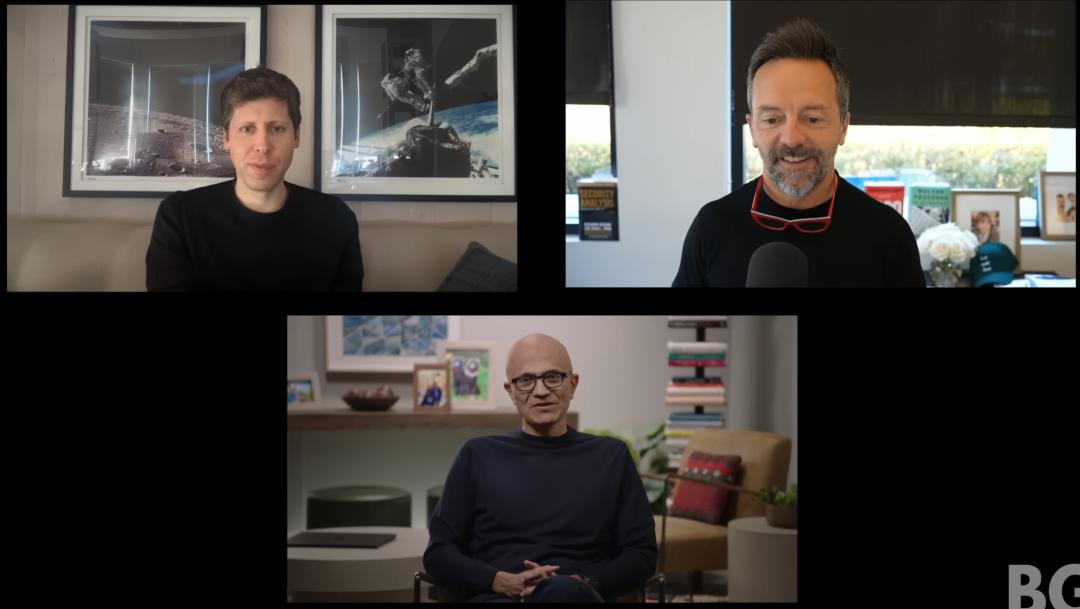
REDMOND, WA – November 3, 2023 - In a move underscoring their commitment to the future of artificial intelligence, OpenAI and Microsoft have entered into a notable, long-term agreement to secure advanced large-scale computing power. The deal, revealed in a recent discussion between OpenAI CEO Sam Altman and Microsoft CEO Satya Nadella, aims to preempt potential bottlenecks as AI models continue to rapidly evolve and demand increases.
The partnership’s proactive approach echoes past tech infrastructure booms, Altman noted, comparing the current situation to the overbuilding of fiber-optic networks during the dot-com bubble 20 years ago – capacity that was initially idle but ultimately proved essential. “We’d rather prepare for the future in advance than regret being too slow later,” Altman stated,explaining the rationale behind the ample investment.
The agreement reflects a shared belief that AI is not just a hardware story, but a fundamental shift in the software landscape. Both leaders recognize AI is reshaping how humans interact with computers,moving beyond traditional applications to a new paradigm of “Agents.”
The rise of ChatGPT demonstrated the power of direct conversational interaction with AI, allowing users to bypass complex interfaces and receive tailored solutions. Nadella described this as a “magic moment” where user interface design merges with AI capabilities. This interaction is now evolving into more refined Agents capable of not only answering questions but also proactively “taking action” - writing code, managing schedules, and automating complex workflows by integrating with other software.
Nadella predicted last year that conventional business software, which he characterized as “thin shells over databases,” will gradually become obsolete as agents gain prominence. This shift threatens the traditional Software-as-a-Service (SaaS) model, where high licensing fees are tied to fixed processes. A versatile, AI-powered Agent can understand natural language and dynamically access various backend services, effectively replacing the core “business logic layer” of existing software.
however, Microsoft isn’t anticipating disruption to its own product line. Instead, the company is actively integrating AI into its existing offerings, most notably with the launch of Microsoft 365 Copilot.Copilot adds conversational AI assistants to applications like Word, Excel, and Outlook, enabling features like document drafting, data analysis, and email summarization. early adoption has been strong, with enterprise users willing to pay $30 per month for Copilot – a price point exceeding the cost of the Office suite itself. microsoft reports Copilot’s deployment momentum has already surpassed any previous Office product launch.
Similarly, GitHub Copilot is empowering software developers, dramatically increasing code output through AI assistance.
This collaboration between Microsoft and OpenAI is characterized by a forward-looking, yet pragmatic approach – optimistic about the potential of AI, but mindful of the risks and the need for proactive readiness. The massive computing power agreement is a clear signal that both companies are positioning themselves to lead the next wave of AI innovation and capitalize on the transformative shift from app-based software to clever, autonomous Agents.


