

Table of Contents
Lima, Peru – A period of shifting dynamics is underway in Peru’s agricultural export market, with once-lucrative crops facing declining profit margins.Industry leaders are now focusing on diversification and industrialization to maintain economic viability, signaling a potential transformation in the nation’s agricultural landscape.
The Maturity of Key Exports
The Association of Agrarian Producing Guilds of Peru (AGAP) reports a trend toward reduced profitability in previously high-demand crops. Blueberries, for exmaple, have seen prices fall from approximately $15 per kilogram during the peak of their export boom to around $5 currently, while production and logistical costs continue to rise. This compression of margins is indicative of a broader “maturity” phase for several key Peruvian agricultural products.
Ángel Manero, head of the ministry of Agrarian Growth and irrigation (Midagri), recently stated that many fruits are reaching this maturity point. he indicated a strategic shift towards industrial crops, noting, “When we say that we are going to leave a million new hectares signed or signed contracts, we are no longer thinking of necessarily fruits and vegetables, but also in a large industrial crop.”
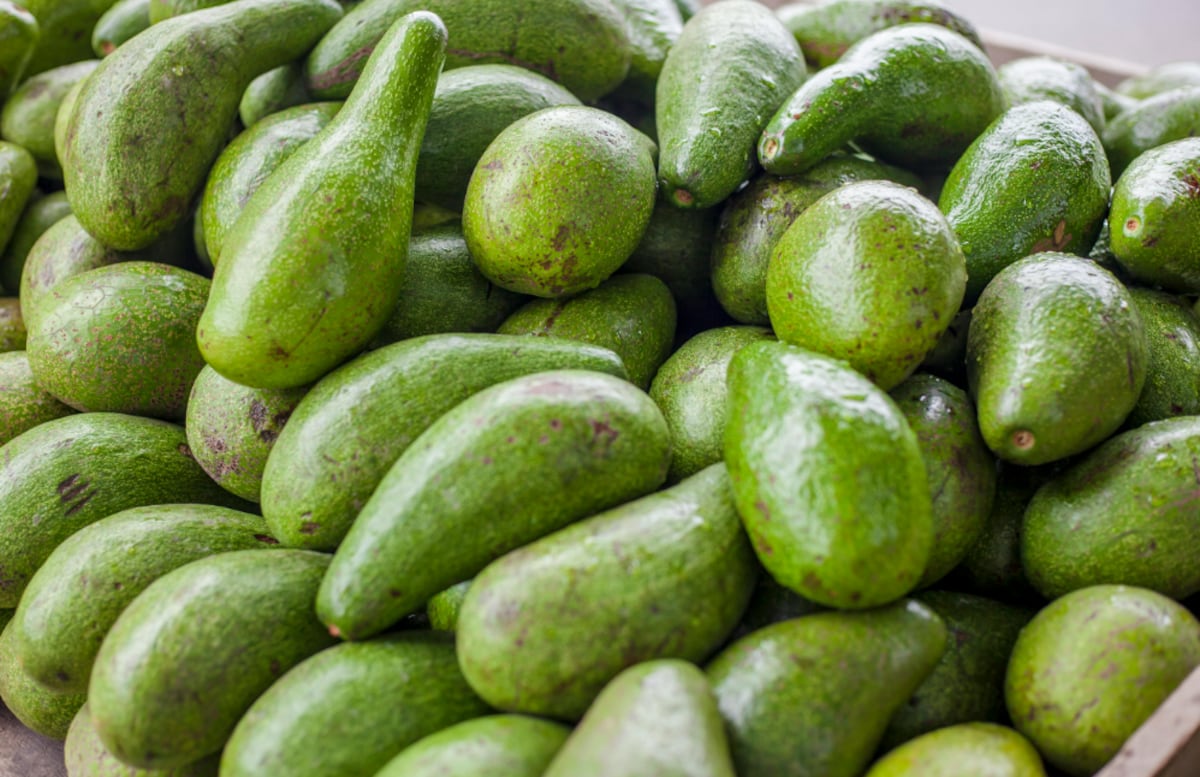
But does this mean producers should abandon established fruit exports like cranberries and avocados? export unions suggest a more nuanced approach.
Diversification: A Strategic Response
While acknowledging the maturity of certain crops, industry representatives emphasize that this is not necessarily a negative development. Elkin Vanegas, president of the Fruit and Vegetable Committee of the Exporters Association (Adex), described the situation as “temporary,” highlighting the potential for external factors - such as tariffs on competitors or natural disasters impacting other producing regions – to create new opportunities for Peruvian exports.
Pro Tip: Staying agile and monitoring global market conditions is crucial for Peruvian agricultural exporters.
The key, according to vanegas, lies in diversification. This includes developing value-added products like juices, jams, and pulps from existing crops, supplementing fresh fruit sales. Passion fruit (maracuyá) serves as a prosperous example, with 40% of production now dedicated to industrial processing, compared to 60% for fresh market sales.
Gabriel Amaro, president of AGAP, echoed this sentiment, noting that fruit processing in Peru remains relatively limited. In 2024, fresh fruit and vegetable exports totaled $6.8 billion, while processed, preserved, and frozen products accounted for only $13 million.
Exploring New Crops and Markets
Beyond diversification within existing product lines, Peruvian producers are exploring new crops with high potential. These include cherries, pitahaya (dragon fruit), pecans, beans, kaki (persimmon), and raspberries. Opening new markets, particularly in asia, is also a priority.
The recent approval of a new Agrarian Law by the Peruvian Congress, pending executive approval, is expected to incentivize investment in the sector. This law includes a reduction in the corporate income tax rate for large agricultural companies.
Did you know? Peru’s strategic location and climate allow for the cultivation of a diverse range of crops, offering significant export potential.
The Rise of Industrial Crops
Midagri is advocating for increased production of industrial crops – those used as raw materials for manufacturing rather than direct consumption. Sugarcane for ethanol production is a key focus, but other options are also being considered.
Peru already has a strong presence in industrial crops like cocoa and coffee. In 2024, coffee exports increased by 33% to $11 million, while cocoa exports surged by over 198% to $1.281 billion. Other promising industrial crops include ginger (kion) and turmeric, often exported in processed forms like flours and pastes, and a potential revival of premium cotton production in the north of the country.
| crop | 2024 Export Value (USD) | Year-over-Year Change |
|---|---|---|
| Cocoa | $1,281 million | +198% |
| Coffee | $11 million | +33% |
| Fresh Fruits & Vegetables | $6.8 billion | N/A |
| Processed Fruits & Vegetables | $13 million | N/A |
Though, experts emphasize that any shift towards industrial crops must be accompanied by improvements in competitiveness, including legal security, tax incentives, and reduced internal logistics costs.
Long-Term Trends and Context
Peru’s agricultural sector has experienced significant growth in recent decades, driven by increased global demand for agricultural products and favorable climatic conditions. Though, the sector faces ongoing challenges, including climate change, water scarcity, and infrastructure limitations. The move towards diversification and industrialization represents a strategic response to these challenges, aiming to enhance resilience and sustainability.According to the Food and Agriculture Association of the United Nations (FAO), sustainable agricultural practices are crucial for ensuring food security and environmental protection [FAO Sustainable Agriculture]. Investing in research and development, improving infrastructure, and fostering innovation will be essential for Peru to capitalize on its agricultural potential in the long term.
Frequently asked Questions
- What is driving the need for diversification in Peruvian agriculture? Declining profit margins in established export crops like blueberries are prompting producers to explore new opportunities.
- What are some of the promising new crops for Peru? Cherries, pitahaya, pecans, and high-quality cotton are among the crops with significant potential.
- What role does the new Agrarian Law play? The law aims to incentivize investment in the agricultural sector through tax reductions.
- What is the importance of industrial crops? Industrial crops offer opportunities for value-added processing and diversification beyond fresh market sales.
- What challenges remain for Peruvian agriculture? Improving competitiveness through infrastructure development, legal security, and reduced logistics costs is crucial.
We encourage you to share this article with your network and join the conversation in the comments below. Subscribe to our newsletter for the latest insights on global agricultural trends!


